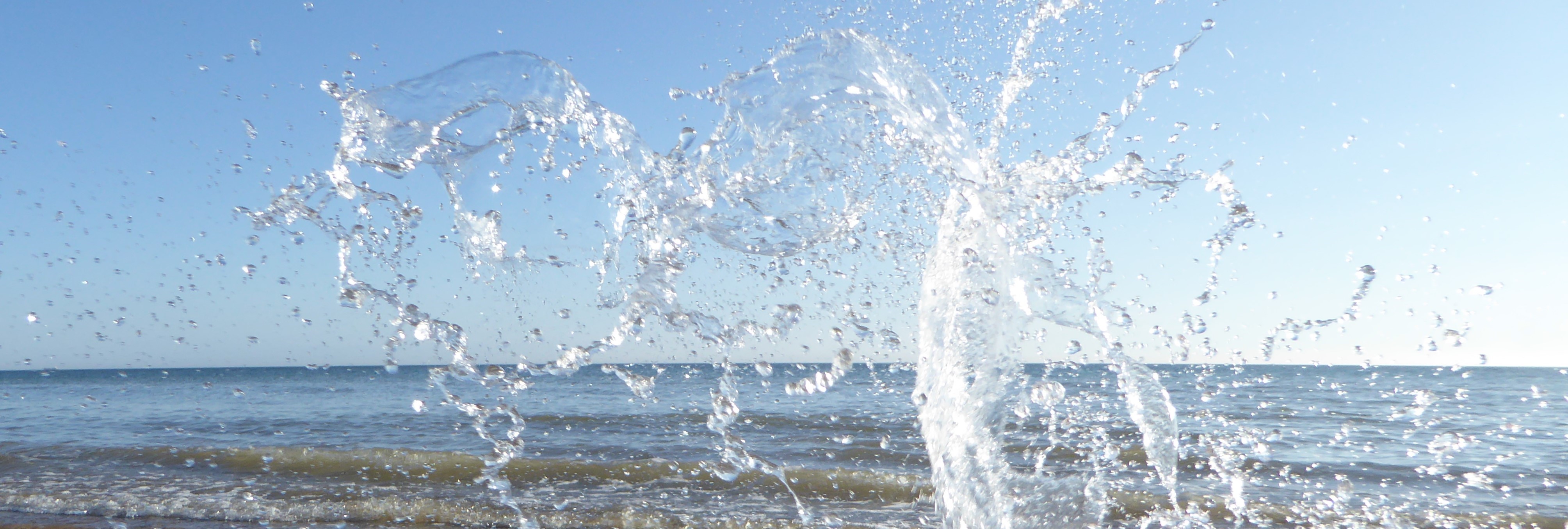
A splash in the sea. Overstrand beach, North Norfolk, England – Inexplicable Device.
Water is life. It may sound like a simple phrase to many, but for some of us it invokes a sacred sense of responsibility. Without water there is death. People, animals and plant life all rely on this most important molecule. It is a basic building block to life itself. Had I been born into the world of Greek mythology I think the role as a water nymph would have suited me just fine.
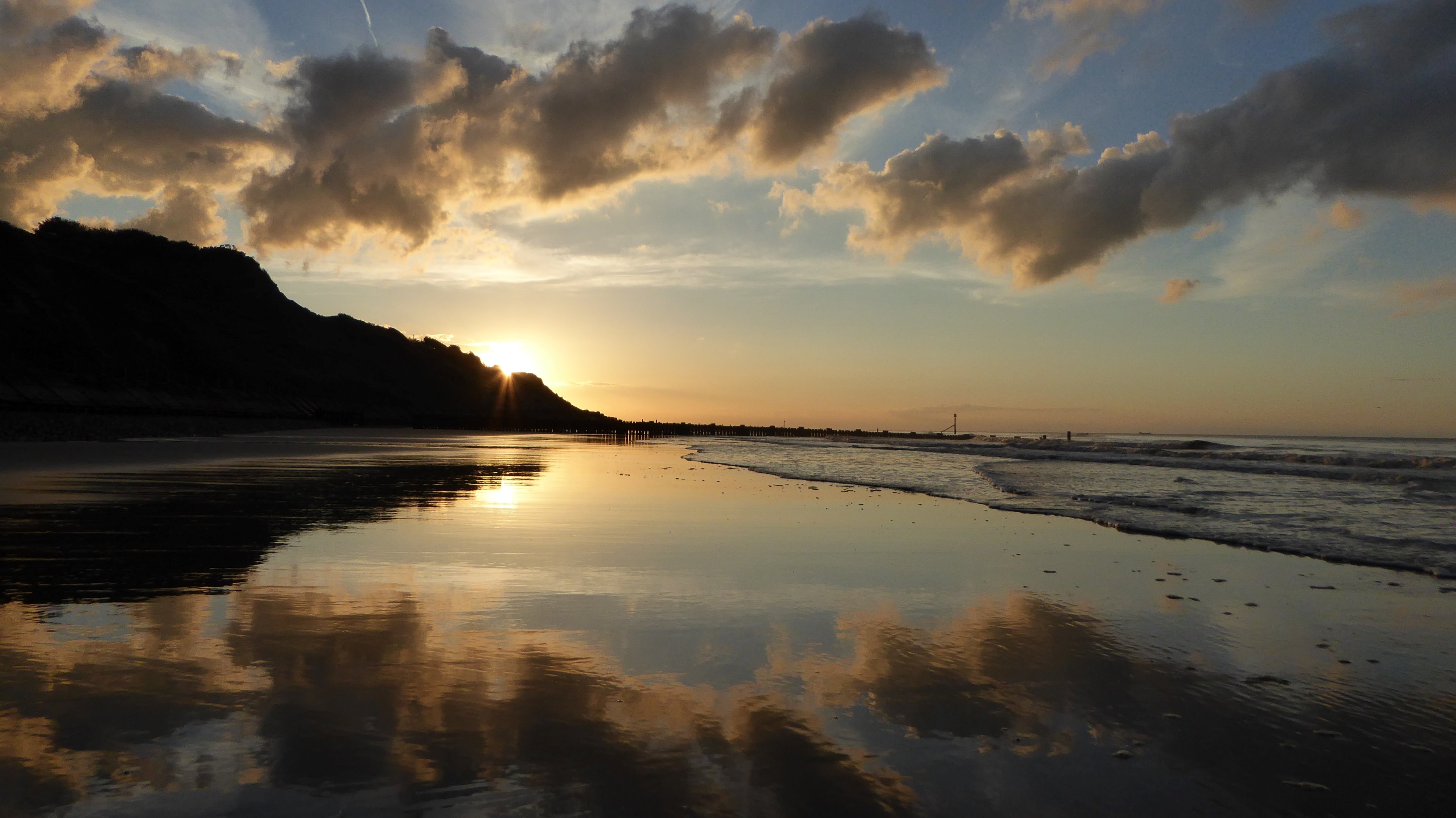
Water offers us a reflection of ourselves and the world around us.
Reflection of a Sunset. Overstrand beach, North Norfolk, England – Inexplicable Device.
Wonder
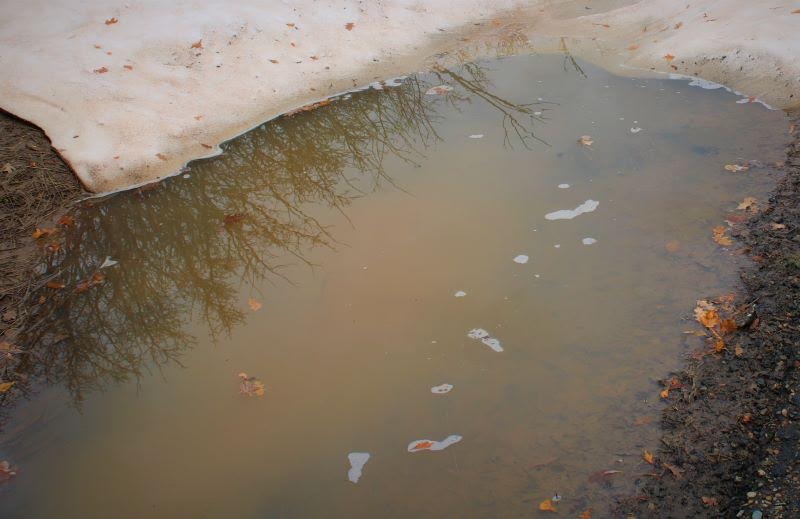
When my son was a toddler he was fascinated by this little book. He had me check it out at the library so many times that I finally bought him his own copy. It’s amazing how much life can be found in a teaspoon of water.
One puddle from two angles, taken May 11, 2023, at Vega State Park in Colorado. Tracy Abell Another Day On the Planet
Water is a force of nature. Too much and that which gives life can also take it away.
Beauty
Water through the power of glacial ice or jet powered waterfalls has the ability to carve rocks into cliffs, mountains and valleys. I am humbled by it.
Areial view by helicopter of Victoria Falls Zimbabwe. By Lisa Troute
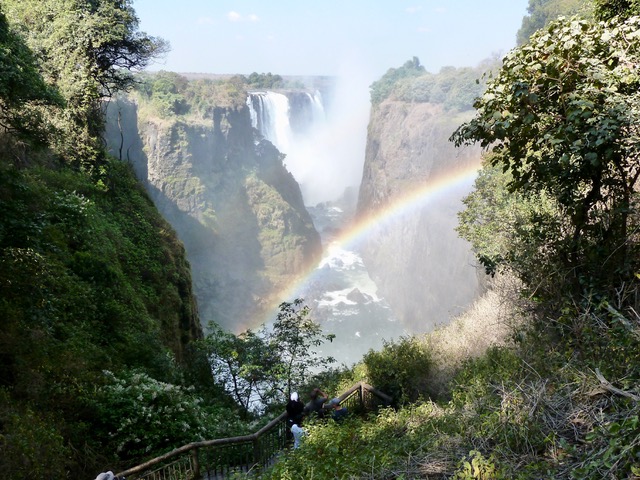
One need only to look upon the power and beauty of something like the Victoria Falls in Zimbabwe.
Victoria Falls viewpoint in Zimbabwe. By Lisa Troute.
Movement
Water has the ability to transport us across shores, along rivers and through deltas. Like many people, I think, I find a lot of inspiration when surrounded by water. Why do our best ideas come to us in the shower when we haven’t got a stitch of clothing or a pen to write with? Who says nature doesn’t have a sense of humor?
Until next time friends, may you find peace and inspiration everywhere you look!
Next Photo Submission Request
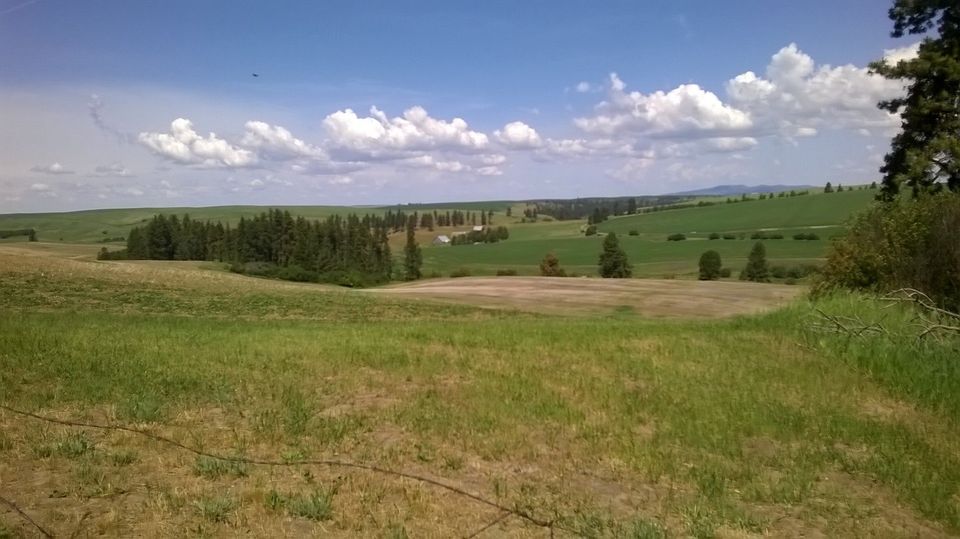
The Farming Community ofWaverly WA USA By Melanie Reynolds
July Submissions – Fields and Grasses
Show me your Elysian Fields or ornamental grasses (includes bamboo and palm trees.)
Due: July 31st
To be posted on August 1st.
TheFine Print: Photo Submissions Guidelines
Email to: natureledlife@gmail.com, Subject line: Photo Submission for [month] (Multiple months of photos in one email is fine.) Image: Attached as a .JPEG or .PNG file preferred. Captions each picture: Subject in the photo (if known), State/Providence & Country, Date (optional). Your name as you want it to appear, Your blog link (if you have one.)
Feel free to add any interesting notes about a picture. I love interesting stories behind things! Let me know if it’s just for ‘my eyes only’ or if I can share any part of it with your photo. Pictures must be your own or you have permission from the Photographer to share it. All copyrights belong to their respective owners. This is a free, fun, community site about nature. Non-commercial and ad free.
Hello Nature-led friends! Welcome to the beginning of June!
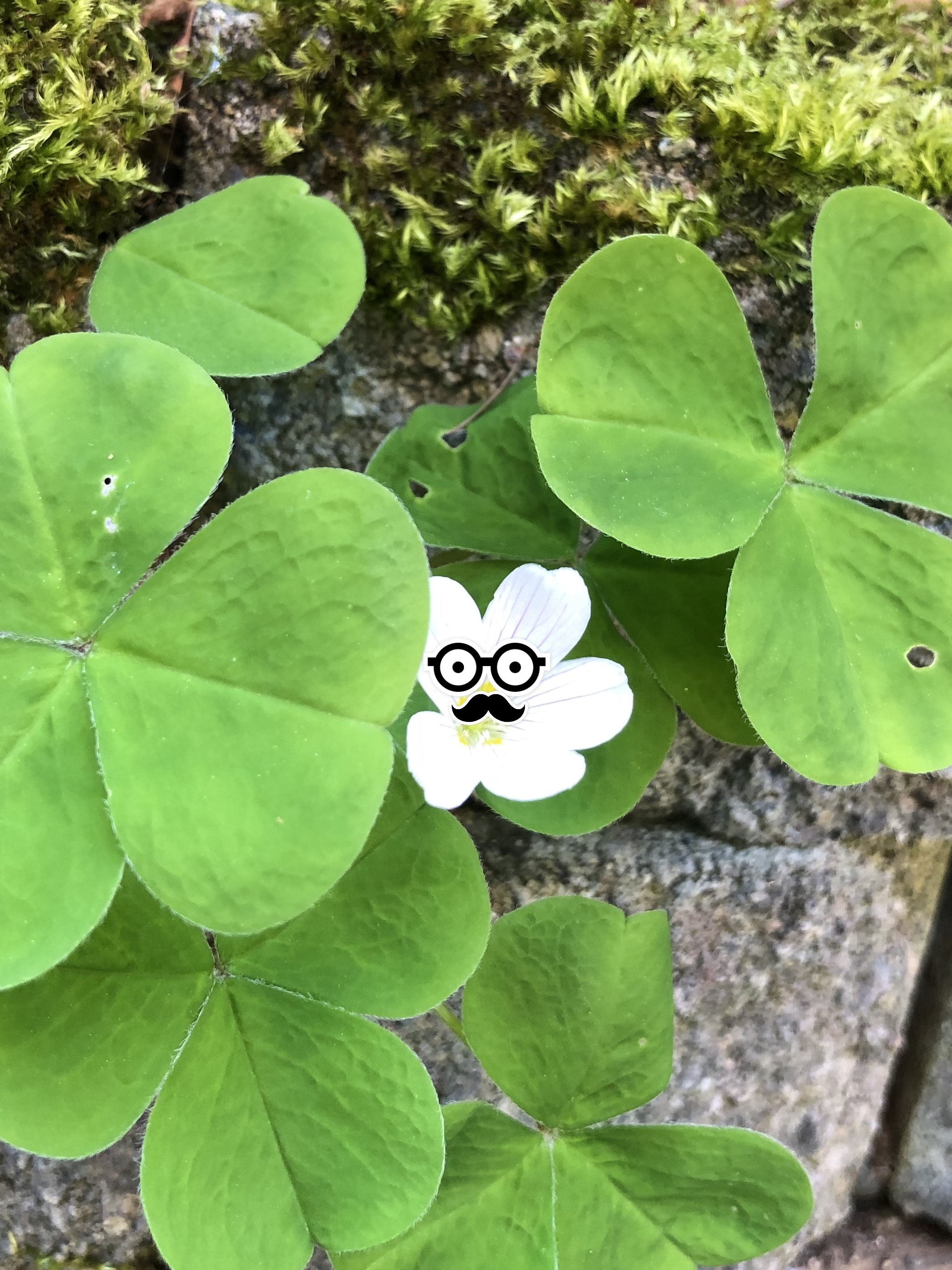
Native Plant Nerd (Oxalis Oregana with digital glasses and mustache stickers) By Melanie Reynolds
I recognize and appreciate that some of you struggled to find native plants in your area. I hope this endeavor was not too frustrating and that you came away with a new understanding and appreciation for the native plants in your area. I wanted to do this submission request because I feel like most people don’t give native plants much thought. I feel like the poor things are stuck in a 1990’s era high school romance-comedy where the smart nerdy friend is actually a hot babe once she takes off her glasses, gets plucked, and wears a dress. Me too Oxalis oregana, me too. Like any native plant, I’m only exotic when I’ve been shipped off elsewhere.
The other reason that I care about the native plants is that they’re part of a much larger ecosystem with specialist insects, other plants, and animals that depend on them. None of this mattered to the rich Colonialists who were determined to make English Gardens on every continent aside from Antarctica. Back when wealth was portrayed by the upkeep of exotic plants and large swaths of green lawns. We still live with that legacy today. It didn’t just disappear; a lot of behaviors carry on without thought because that’s the way things have been more or less for over 200 years now. The mailers I get from landscaping companies show perfectly coiffed bushes and low-cut strips of sod. They threaten to mow, prune, fertilize, and eradicate the unwanted for a fee. Driving into a neighborhood with a militant Homeowners Associations (HOA) with their cookie cutter houses and landscapes make me feel like I’m trapped in an adaption of The Stepford Wives by Ira Levin (with two movies by the same name.) I see the kids. I see how they hunger for the freedom at the edges of the play yard straining against the fence to reach into the wild spaces. Now it’s the native plants that have become exotic.
I had a wonderful History teacher in high school named Mr. Ayers. We would have a lot of funny banter between us. He showed me that history was not some boring dead thing, it lives all around us. One time before the start of class he asked with mock exasperation, “Why are you such a contrarian?” “I’m a woman.” I said. The whole class roared with laughter including Mr. Ayers. I didn’t set out to be rebel. I just am, by the nature of existing as a woman with strong opinions.
So, without further ado, let me share the wonderful collection of native plants across the world that many of us can appreciate thanks to our fellow community members who help this site grow! Thank you! Thank you! Thank you!
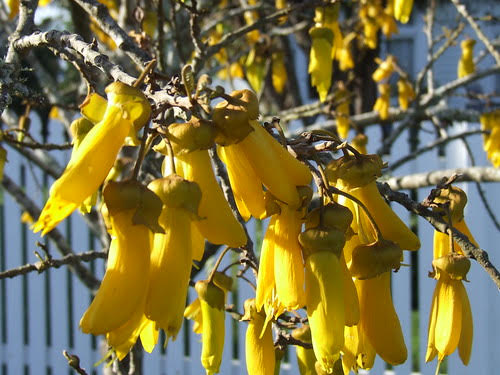
We’re starting with New Zealand, because I said so…
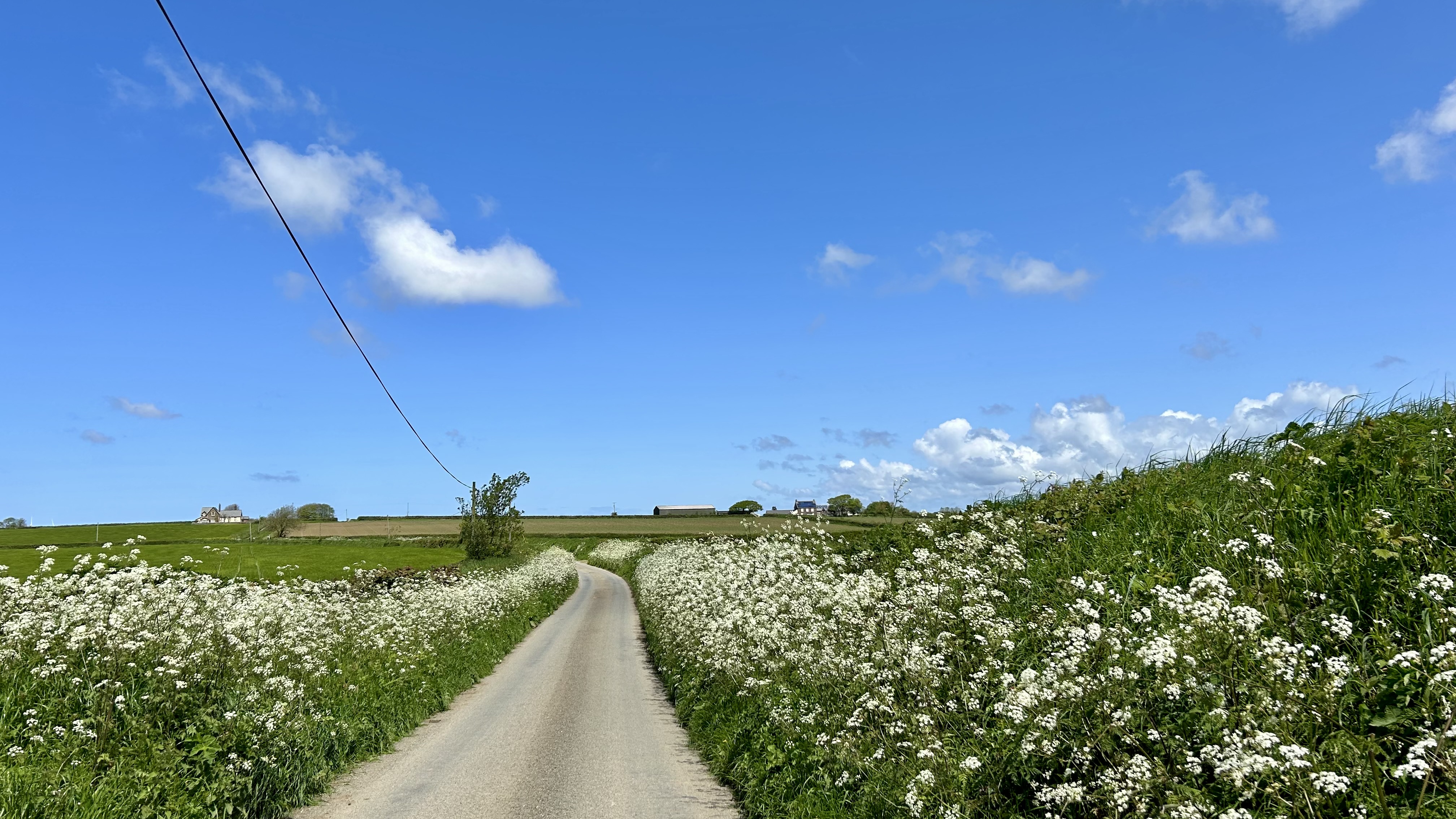
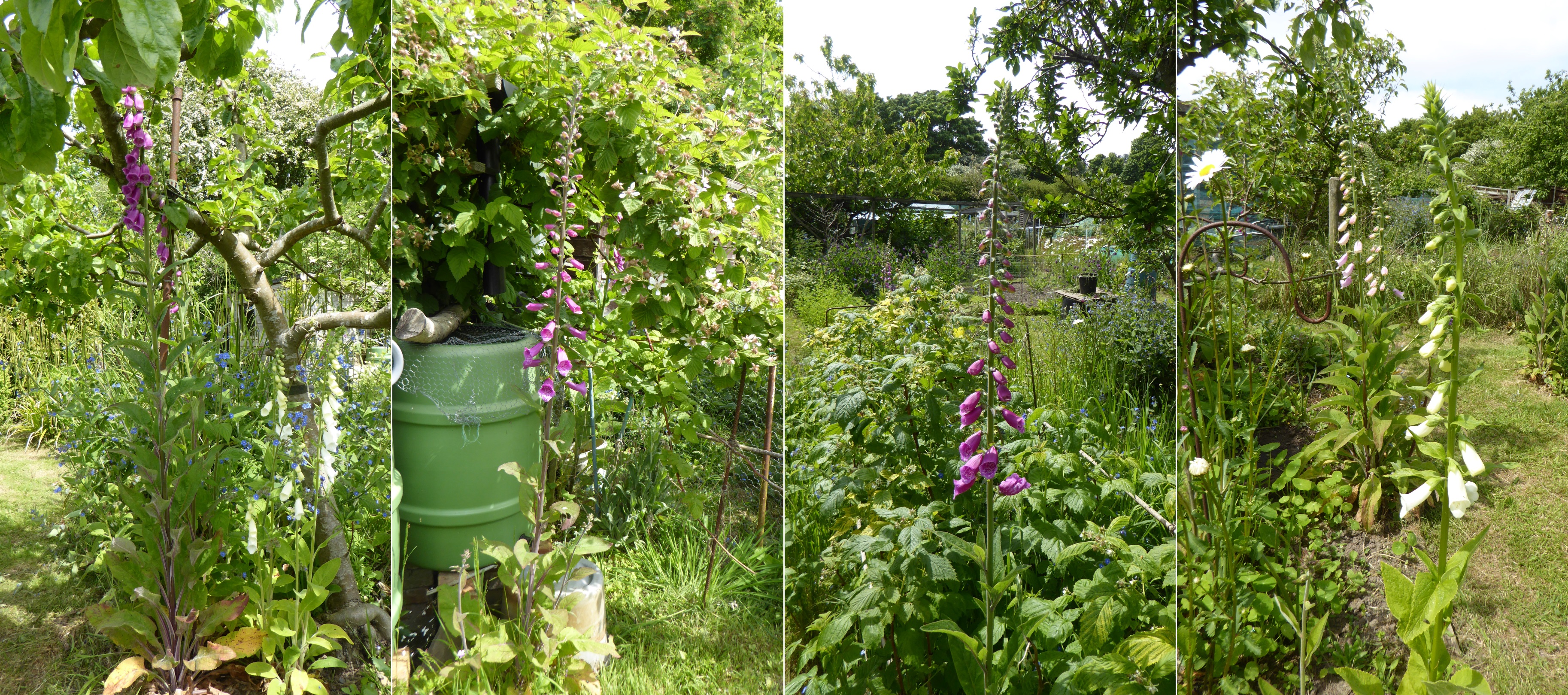
Roadside Cow Parsley (Anthriscus sylvestris) By Ms Scarlet https://wonky-words.com/blog/Foxglove (Digitalis purpurea) at the allotment North Norfolk England 29th May 2023 By Inexplicable Device
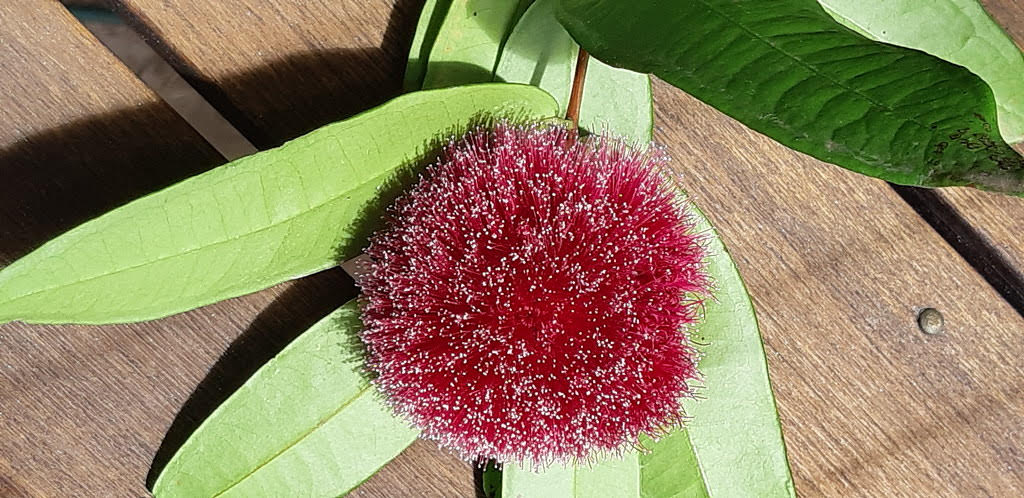
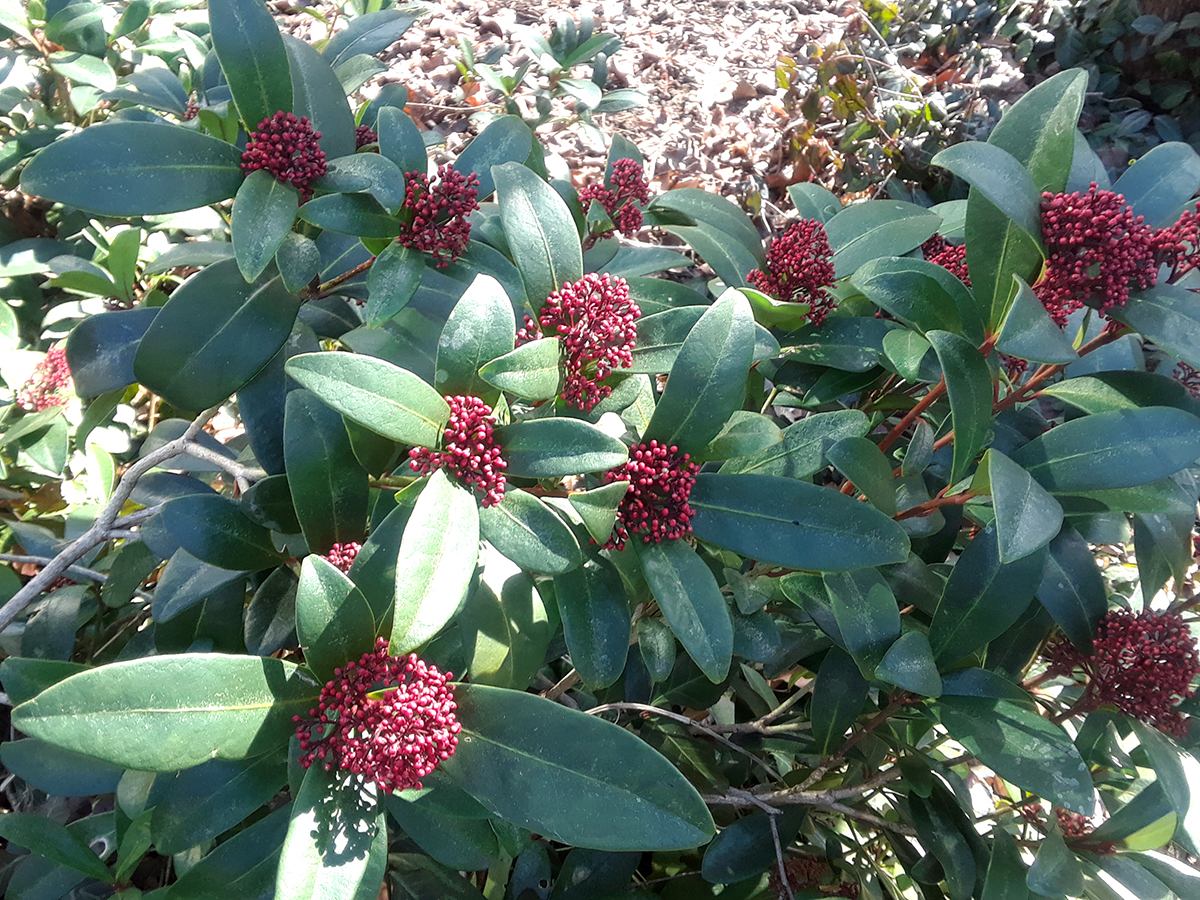
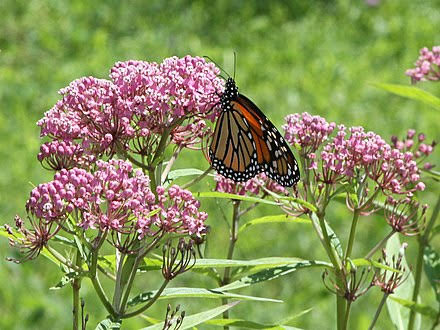
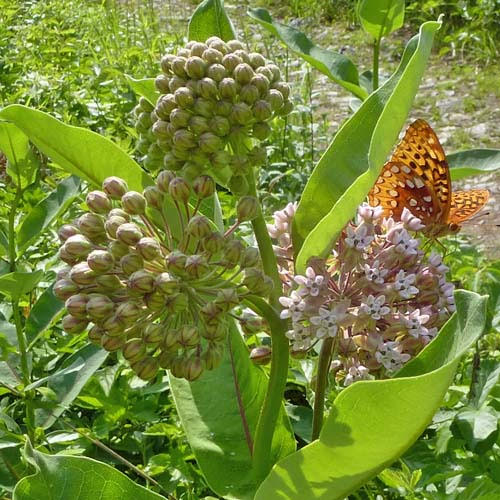
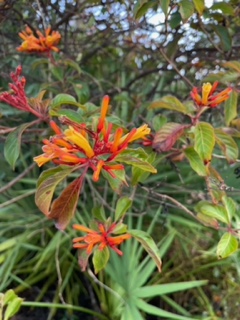
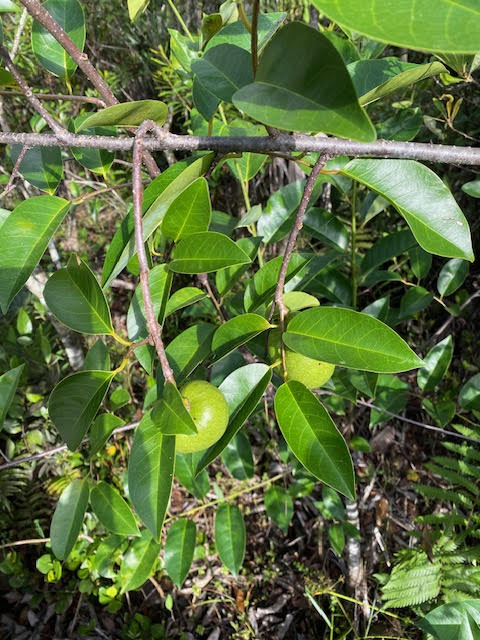
We’ll call this an honorable mention in the category of “Not native but plays well with others” I’m fairly confident this is a Japanese Skimmia (Skimmia Japonica). Milkweeds are herbaceous plants which means they have “non-woody stems” that largely die back in the winter. This plant has woody stems, flowers or berries on new grow and thick wide, non-serrated leaves. My first guess is always a rhododendron because there are so many varieties and it’s a common plant in North America especially where I live, but the growth habit of these flowers or berries leads me to my second guess, Japonica.
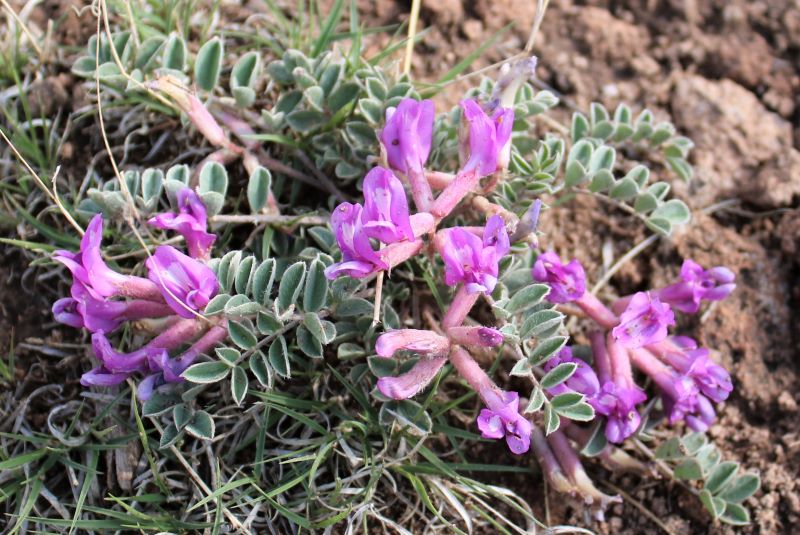
Wooly Locoweed ( Astragalus mollissimus) in Penitente Canyon, Colorado By Tracy Abell Another Day On the Planet
Photographed while hiking in Penitente Canyon (Colorado) on May 24, 2023. When I went to identify it, I was dismayed to learn that while it is native to Colorado, this Woolly Locoweed is the most widespread poisonous plant in the western U.S. Because it’s native, locoweed is not covered by the Colorado Noxious Weed Act.
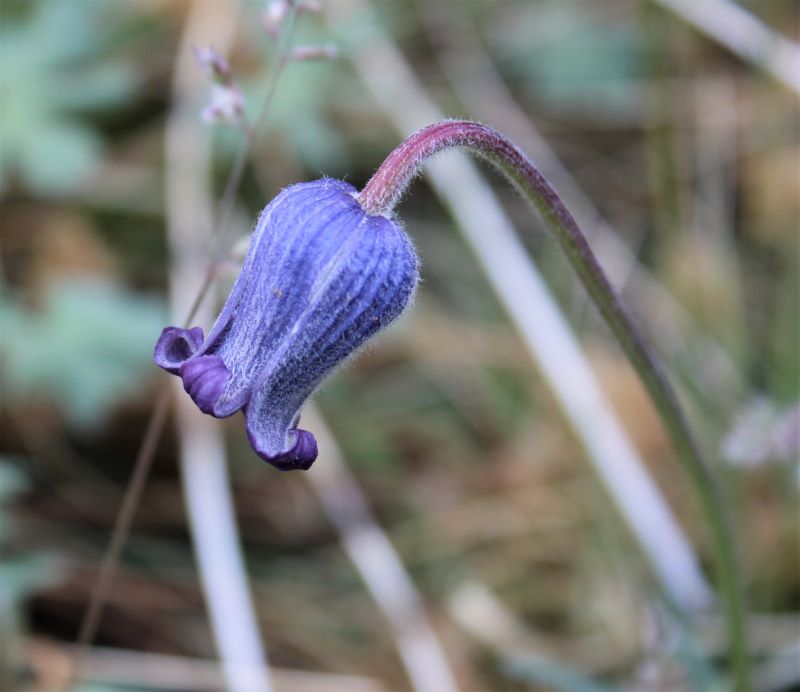
On the same hike, we came across this lovely native wildflower that’s a type of clematis. It’s known as “Sugarbowl.”
Thank you to everyone who contributed!
My apologies for the brevity of captions and any errors. I pulled a muscle in my shoulder and it really hurts. Several people sent multiple pictures, so I didn’t share them all, but I do make sure at least one picture from each person is posted.
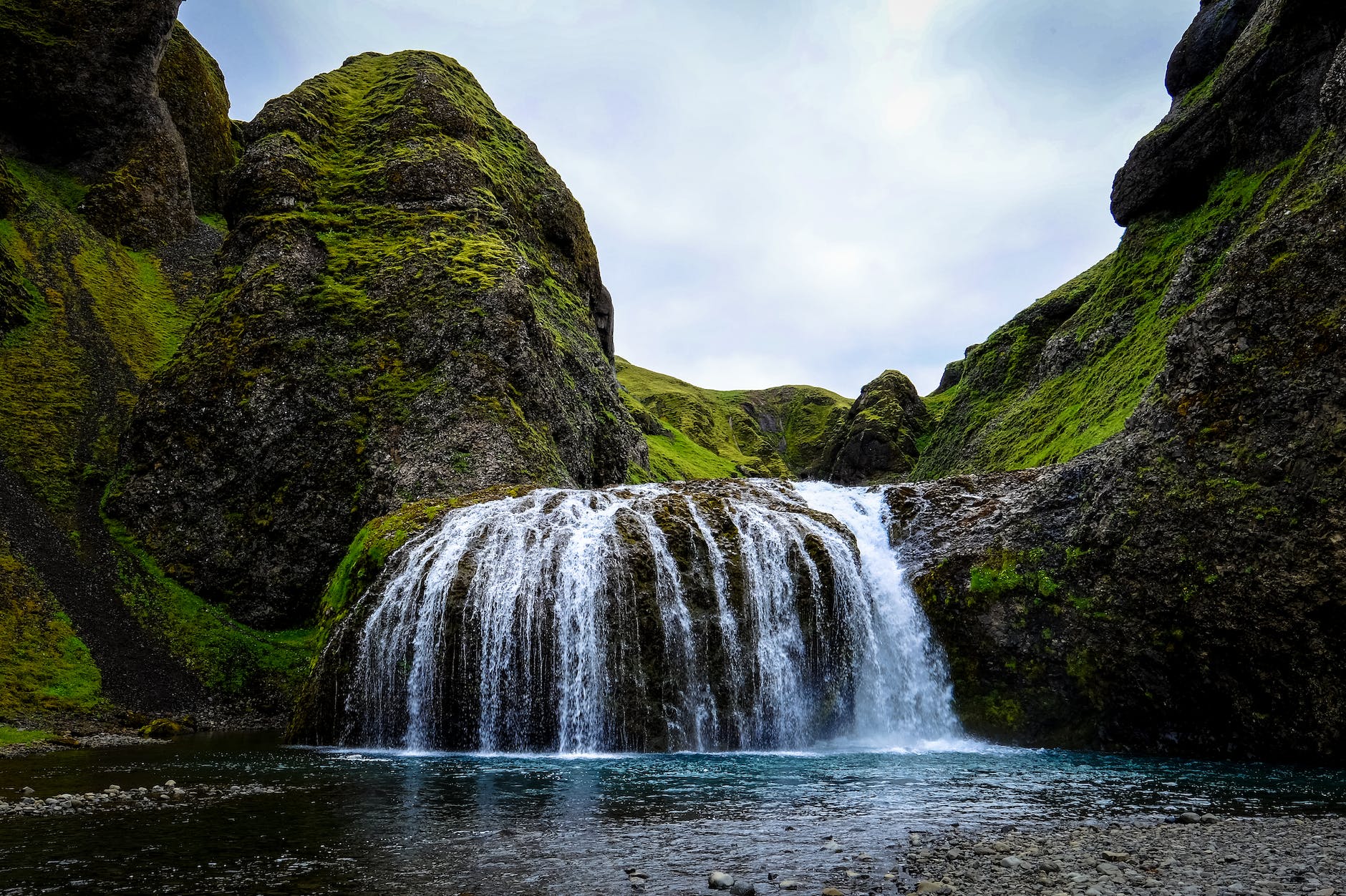
Show me your bodies – of water that is! Ponds, lakes, rivers, streams, waterfalls, fountains being appreciated by wildlife, your favorite puddle or bog.
Due: June 30th
To be posted on July 1st.
TheFine Print: Photo Submissions Guidelines
Email to: natureledlife@gmail.com, Subject line: Photo Submission for [month] (Multiple months of photos in one email is fine.) Image: Attached as a .JPEG or .PNG file preferred. Captions each picture: Subject in the photo (if known), State/Providence & Country, Date (optional). Your name as you want it to appear, Your blog link (if you have one.)
Feel free to add any interesting notes about a picture. I love interesting stories behind things! Let me know if it’s just for ‘my eyes only’ or if I can share any part of it with your photo. Pictures must be your own or you have permission from the Photographer to share it. All copyrights belong to their respective owners. This is a free, fun, community site about nature. Non-commercial and ad free.
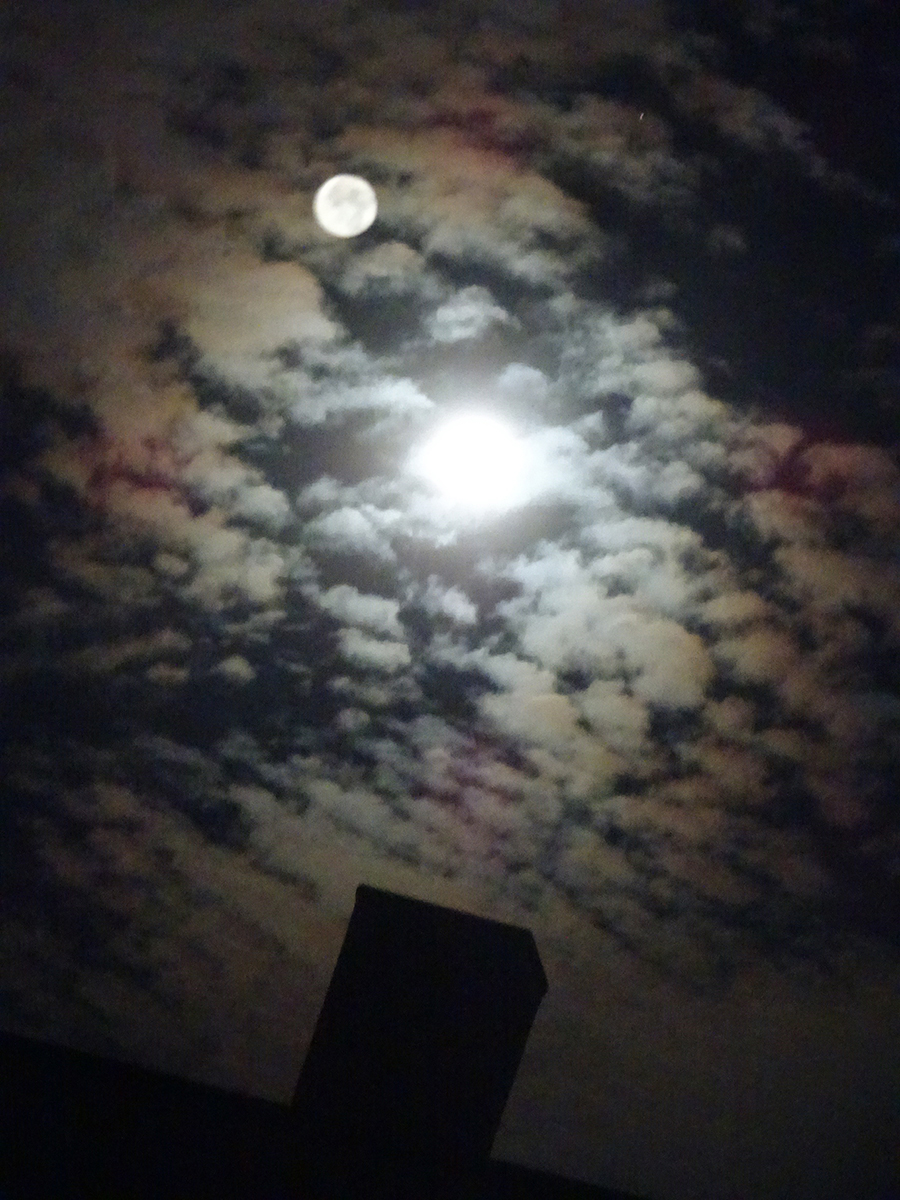
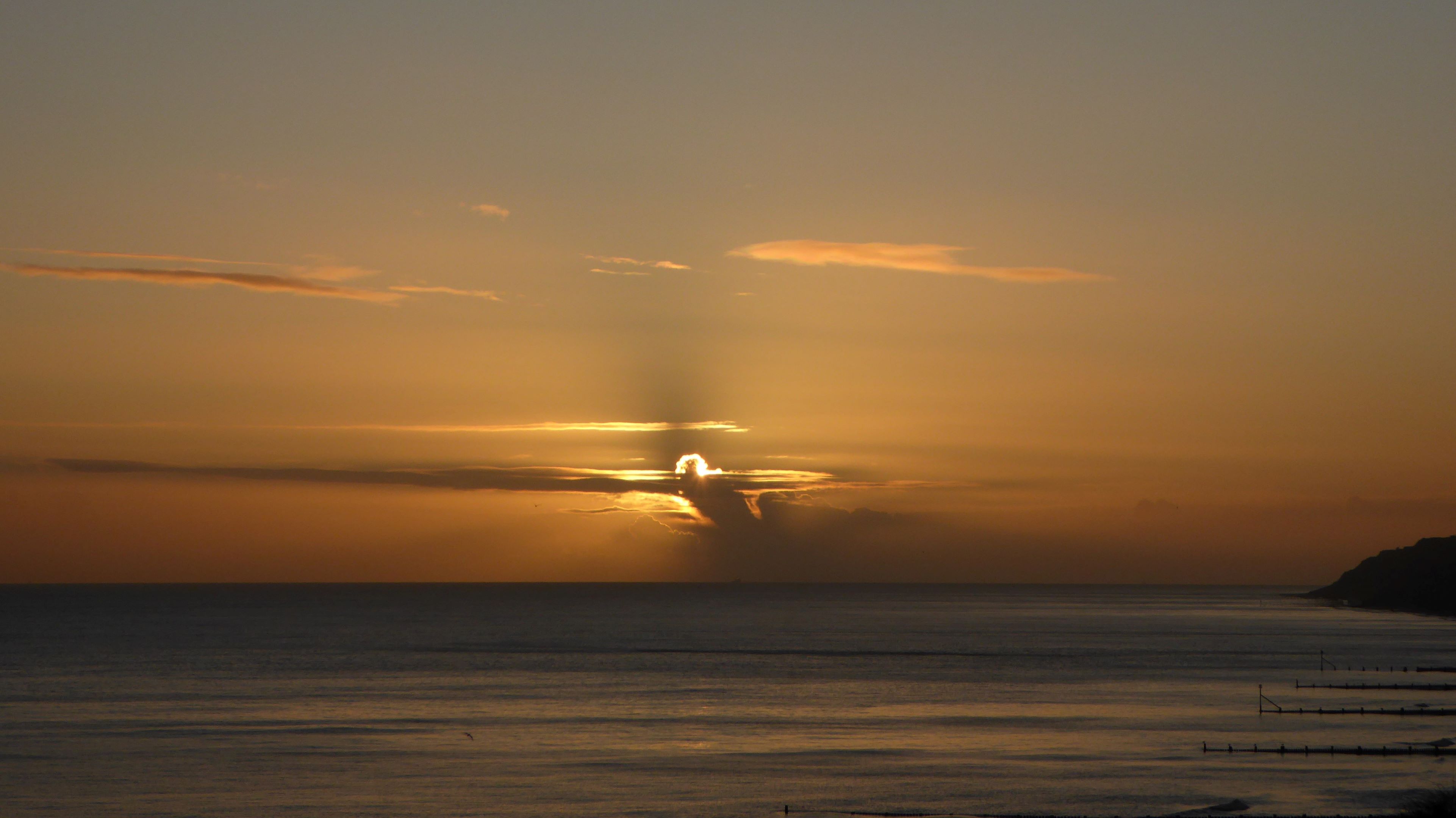
When I look at the sky or moon, the word transition comes to mind. I think about the many transitions that take place within our world and our individual lives. Death is a shadow to our light. We are of both matter (body) and anti-matter (spirit.)
The sky changes throughout our planetary cycles in a unit of measurement we call days. Yet measures of time, gravity and composition can change vastly on planets different from our own. The movie Interstellar is one of my favorites and a great example of what other worlds could look like. The movie was based on our current understanding of black holes, worm holes and relativity. Dr Kip Thorne Nobel Laurate of Physics in 2017 provided equations and insight as a subject matter expert to bring authenticity to such a brilliant movie.
Real science is not boring. It expands the universes within our minds. In my heart, Pluto will always be a (dwarf) planet and the Apatosaurus will always be a Brontosaurus. The scientific community might change the name of things, but I still know what my favorite dinosaur is.
As the moon dances with the earth, I feel a kinship to all living things. It reminds me that we are not alone and its phases, while often predictable, remind us that change is constant. The presence of the moon can be felt throughout the world in king tides, migrations and the hours of sun in a day. Without it the earth would spin faster, and the days would be shorter. I fear I really wouldn’t get anything done if the days became any shorter!
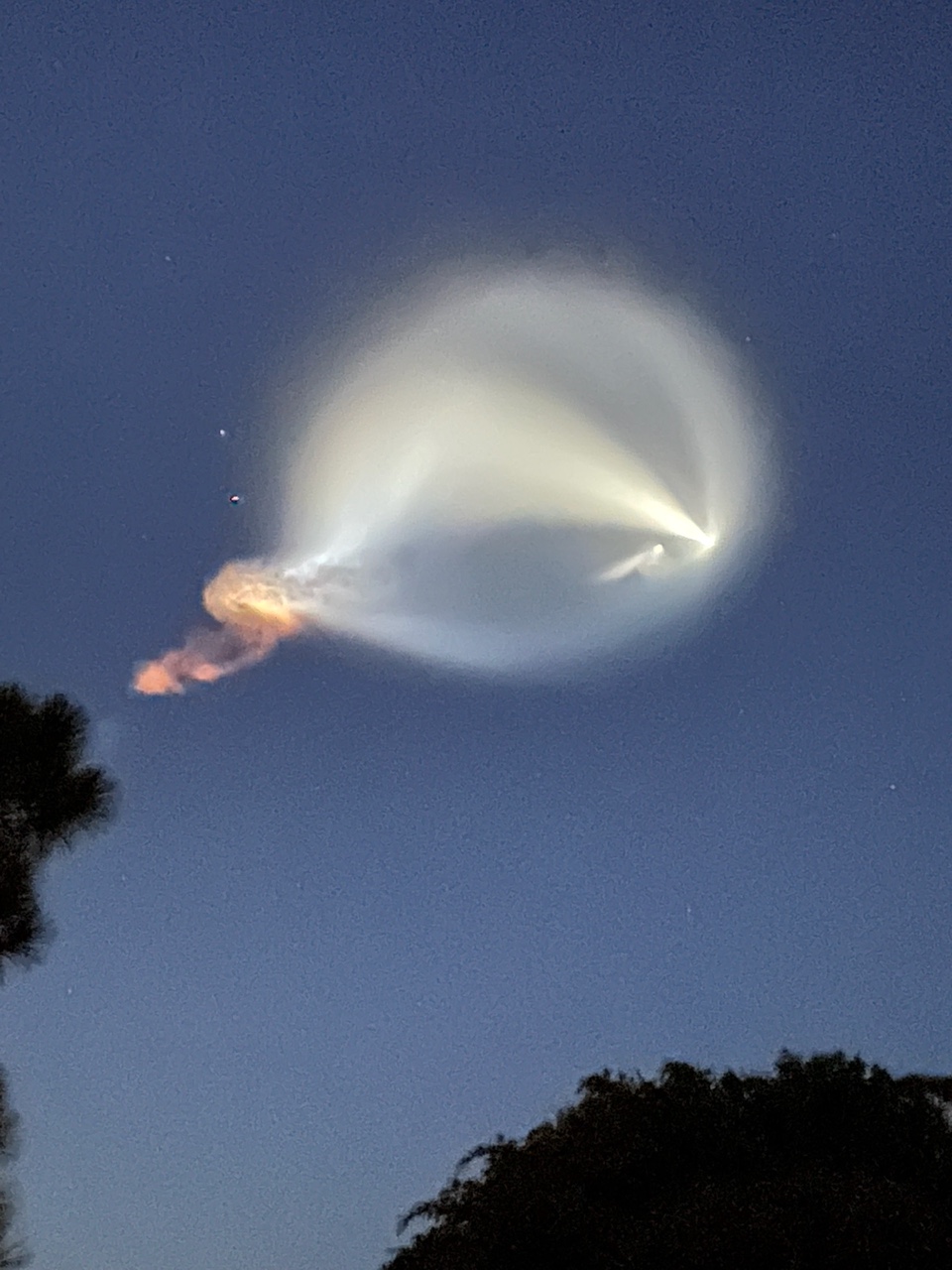
An early morning rocket launch from Cape Canaveral FL USA captured by Lisa Troute in her driveway several miles away.
Thank you!
My many thanks to everyone who submitted photos and those who strongly thought about submitting photos but weren’t able to for one reason or another.
You expand my horizons!
May Submissions – Rocks and Fossils
This nature site is severely lacking in sediment appreciation. Let’s remedy that! Show me your pictures of cool rocks and/or fossils.
Due: April 30th
To be posted on May 1st.
TheFine Print: Photo Submissions Guidelines
Email to: natureledlife@gmail.com, Subject line: Photo Submission for [month] (Multiple months of photos in one email is fine.) Image: Attached as a .JPEG or .PNG file preferred. Captions each picture: Subject in the photo (if known), State/Providence & Country, Date (optional). Your name as you want it to appear, Your blog link (if you have one.)
Feel free to add any interesting notes about a picture. I love interesting stories behind things! Let me know if it’s just for ‘my eyes only’ or if I can share any part of it with your photo. Pictures must be your own or you have permission from the Photographer to share it. All copyrights belong to their respective owners. This is a free, fun, community site about nature. Non-commercial and ad free.











 The Nature-led Life