Hello Nature-led Friends!
If you were wondering where I went, I’ve been a bit everywhere and nowhere at once, but between those two spaces I also went to Japan! It’s been 20 years since I last had the opportunity to return to a country that I love! I’m so grateful to have had the chance to take my teenage son there for his first big international trip*. The last couple of years have been rough and during a particularly emotional night the thought of never seeing my friend Keiko again became unacceptable to me. The next day I proposed a trip to Japan. It was my spouse’s second trip, and he was happy to go back again too. We all had a fabulous trip! Please enjoy the pictures throughout this post! -Melanie Reynolds
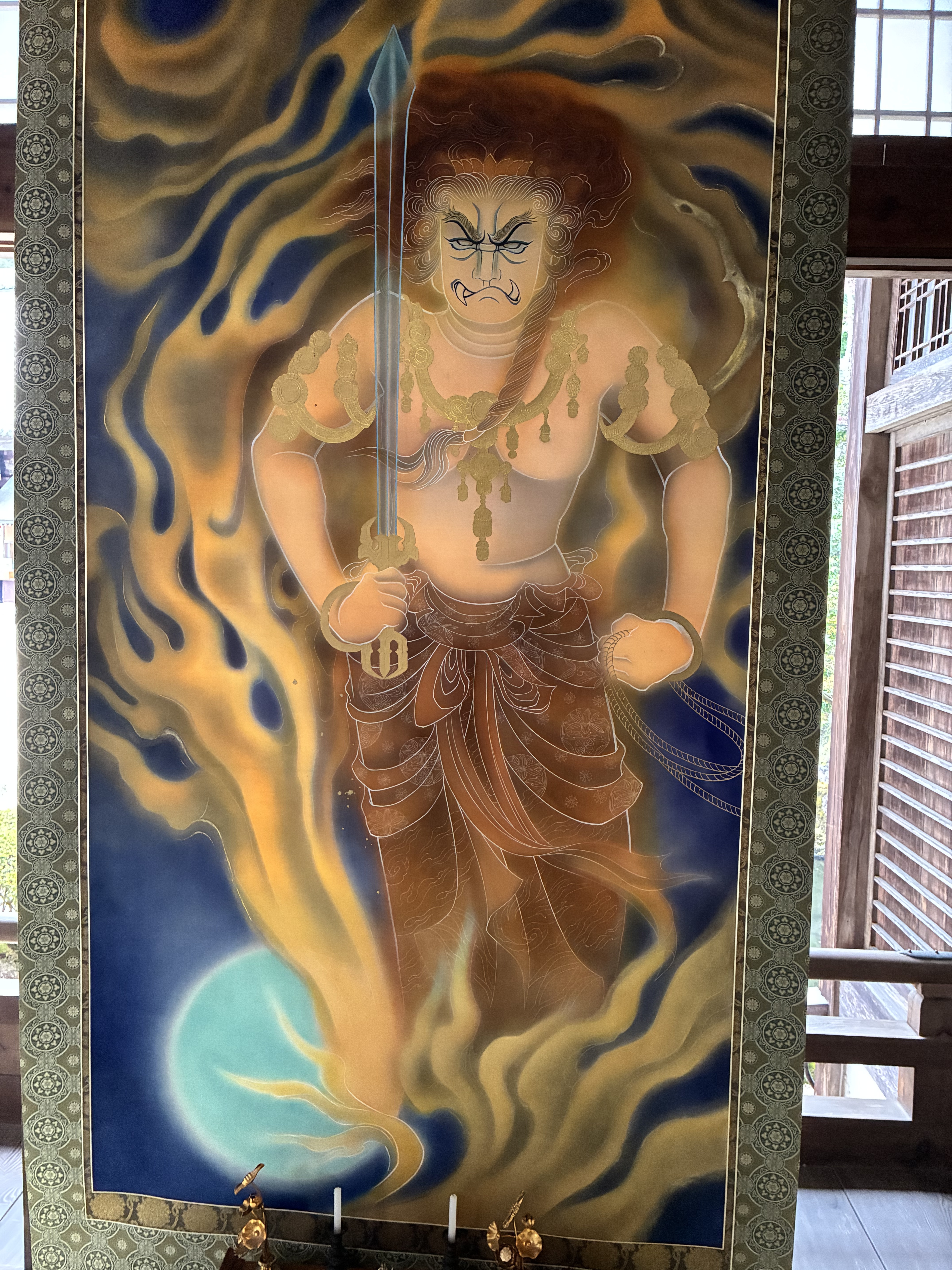
One-Woman Kabuki
When I was in high school, Japanese was the most exotic language offered. German, Spanish, and French felt pedestrian by comparison. Since the age of nine I had wanted to leave my conservative medium-sized American city and explore the world abroad. Not only did Japan seem like a truly unique experience but I already felt some small sense of kinship for all people that live on the ring of fire volcanic chain around the Pacific Ocean. When I stand on the beaches of Washington state, I know Japan is across the way. In fact, after the March 11, 2011, Tohoku earthquake debris floated to our shores for years.
During high school I also took a Creative Writing class. The teacher picked her favorite students early on and the rest of us were warm bodies occupying chairs for the semester. I wish I hadn’t been so sensitive when I was younger. I took it personally that I wasn’t one of her favorites. I stopped writing for ten years, even though I had been writing and telling stories to anyone with ears since I was eight years old. The only noteworthy academic achievement I’ve ever possessed is that I might one day save the world with my impeccably high reading comprehension.
At the end of semester our Creative Writing teacher invited the class to a dinner and a One-Woman Kabuki play sponsored by a local college. I wasn’t expecting the play to be very interesting. I was a surly hormonal teen that couldn’t see how one woman could be so interesting for two hours straight, but I made myself go. I was enthralled! It wasn’t so much the folktales themselves, although I do love folktales; it was the minute character transitions and physical scene setting. Hair up was one character speaking, shawl and cane is another character. The act of stroking a beard and using a deeper tone is a third character. It was fascinating to see the physical manifestation of storytelling by a talented artist. As described in the Encyclopedia Britannica, “Kabuki… [is a vehicle] for actors to demonstrate their enormous range of skills in visual and vocal performance.”
I’m surprised by how often the experience travels through my thoughts. I’m glad I made myself go. So often I’m quick to talk myself out of things unless I can convince myself of the possibility to become one with the wallpaper. In Japanese class, I’d already come to appreciate the division that the Japanese keep between public and private spaces/public and private faces. We all where masks to varying degrees. Having a public face/mask isn’t bad or disingenuous. It can save you from burnout. A healthy form of compartmentalization to move throughout the day if needed. Not dealing with emotional pain and masking it from people who would help you if they could, isn’t healthy. If you don’t want to indulge other people in your tales of woe; “Tell it to the birds.” I say this to myself when I feel pent up. It means to go do something outside and process my thoughts.
When multicultural societies started moving onto the internet it created a new global internet society. Many of us still brought a version of our authentic selves with wonky color combinations, flash GIFs and bad spelling, but it was fun! Despite being the new wild frontier, it was nowhere nearly as dangerous as what it has become now; a funhouse of mirrors and clowns with ne’er do well intent. Tracking and surveillance, the breadcrumbs for bread and the attention economy in lieu of circuses to enrich the global elite. Google whose name became a verb for internet searches now wants to become the entirety of the internet itself. No “internet” just Google ecosystem with Google products do all and be all. The company would also like to convince us that we would rather prefer to talk to ads than people on the internet. Even I, purveyor of fine wallpaper paste, would rather make small talk with a man obsessed with [insert insanely boring topic here.]
I may have a low threshold for being around a lot of people often, but I would rather be around other people over whatever crazy dystopian AI internet tech companies are trying to force upon us now. It is not to our benefit. It is to convince their shareholders that they did not in fact blow billions of dollars of investment out of their ass while promising a golden egg.
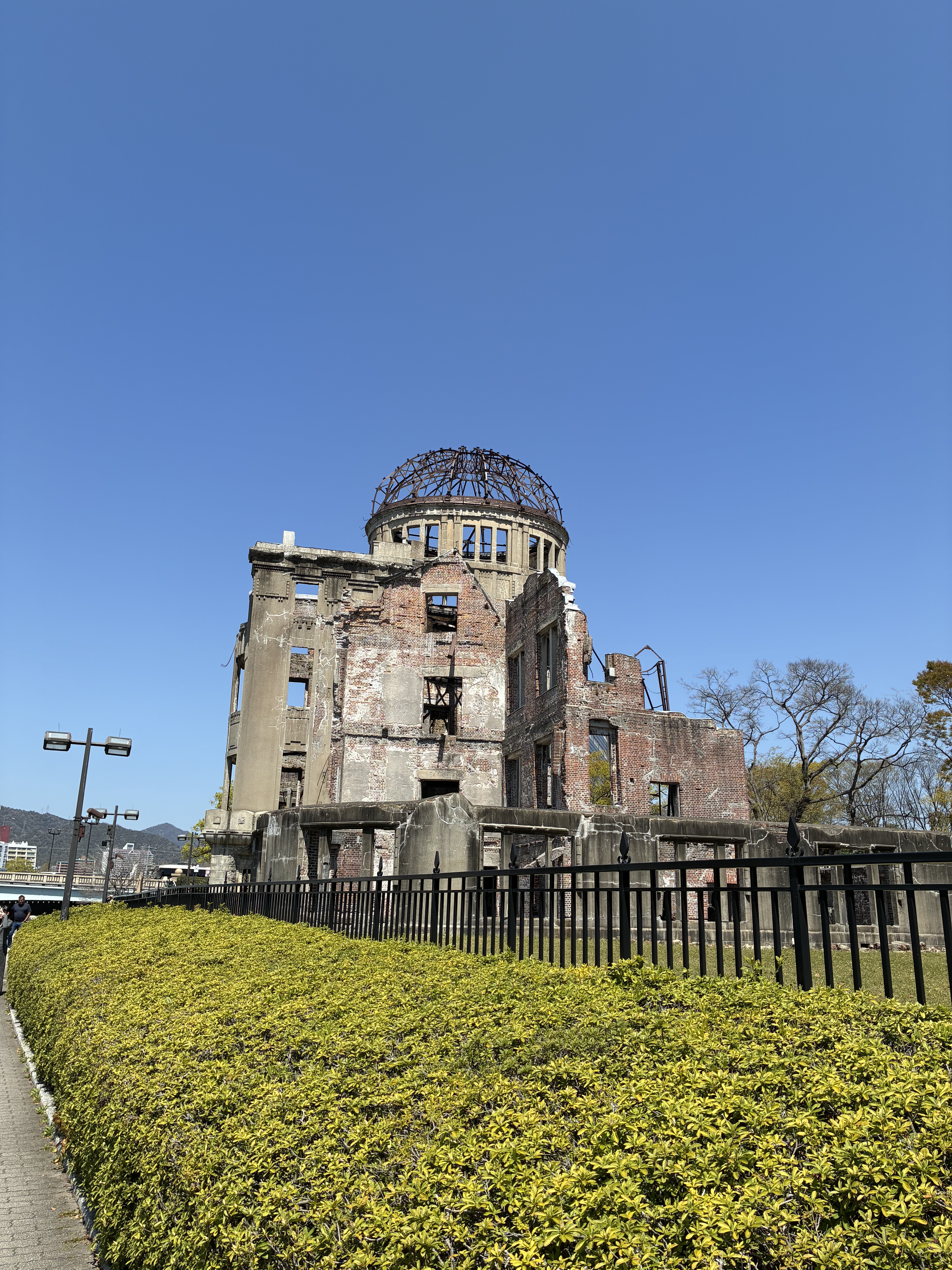
Keiko and I were college roommates. On the first night we sat on the balcony watching the sunset over the Olympic mountains. We talked about racism in the US and in Japan. We talked about our families. Then we talked about the bombs. “Little Boy” was dropped on Hiroshima on August 6th, 1945. Plutonium was enriched here in Washington State at the Hanford Nuclear Reservation. The majority of the workers didn’t know what they were working on. The workers were siloed, parts of a chain, parts of a process. They only knew they were working on something for the war effort. The production of that material poisoned the ground water and was released into the air. Keiko and I have lost a lot to a war that wasn’t ours. We are sisters in friendship, forever glowing in radioactive dust.
This website will remain authentically fireside for as long as I maintain it. We (you and I) shall strive to keep our little section of the internet people oriented for as long as we can keep the blogosphere alive. If the whole internet becomes too much for you, it’s okay to leave. Whenever I get overwhelmed, I circle back to what matters most. The people I care about, the land I care about, the relationships I make with no pretense. If you’re feeling lost be sure to reconnect with your communities on or offline. I’ve been reconnecting with friends and neighbors, reading and writing, and sticking my hands in the dirt where they belong. I get a lot of spam messages that want to “maximize the SEO potential of The Nature-Led Life” for money, but I don’t want that. I just want to connect with other humans through conversation. There is still a lot I’m trying to figure out while not dying from dysentery on the Oregon trail. 😉
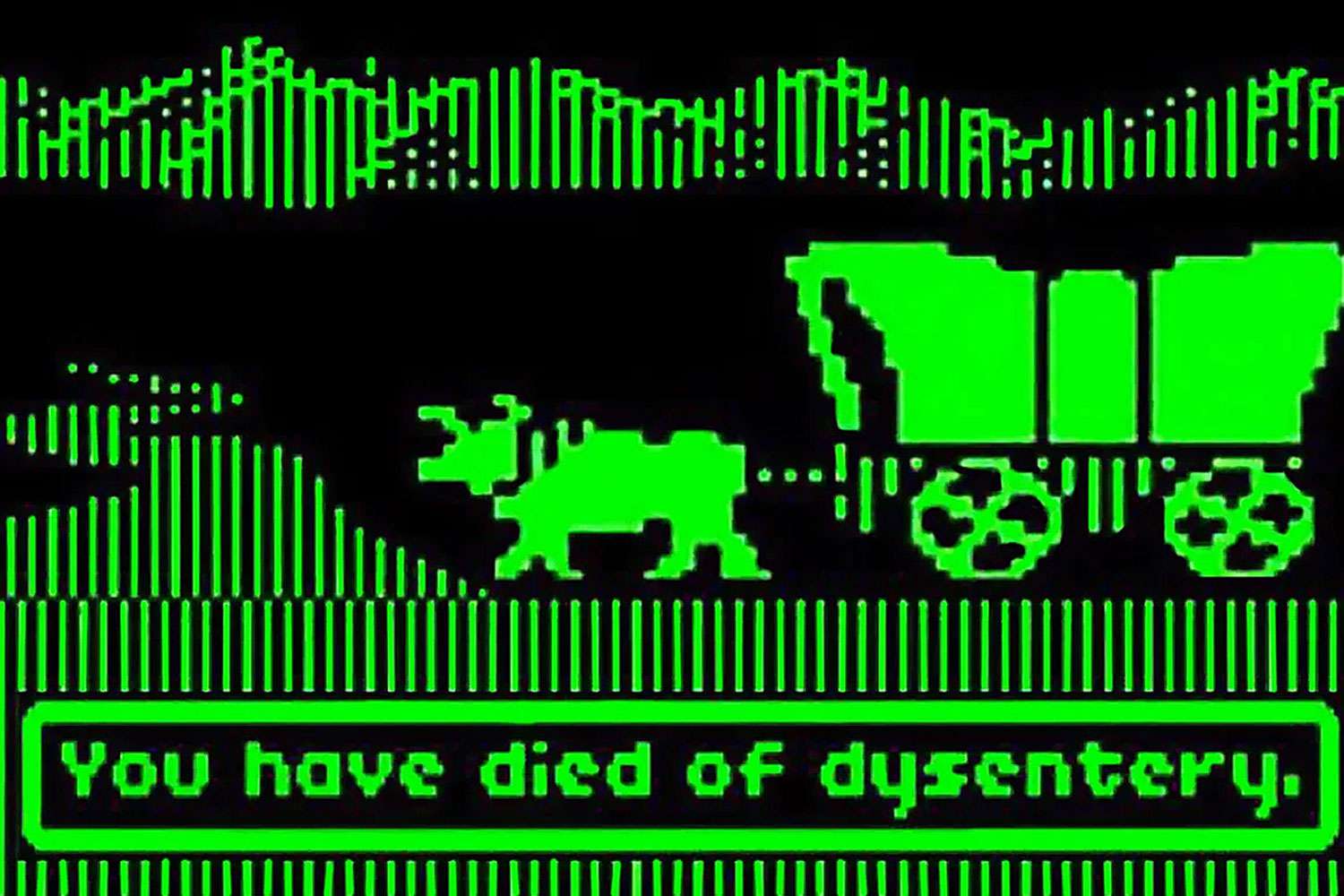
How are you feeling about the internet and technology these days?
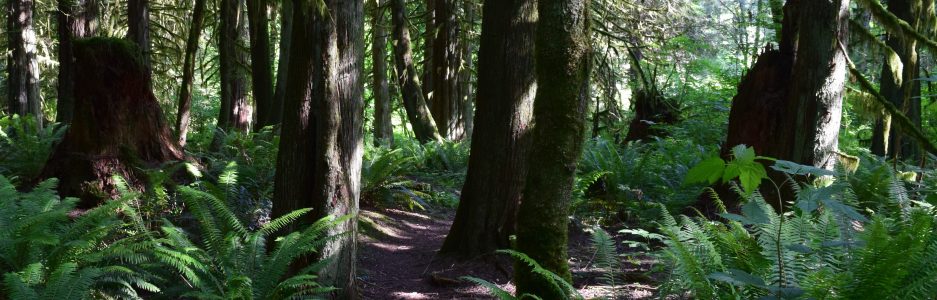
*Canada, doesn’t count as a foreign country. We’re kissing cousins! British Columbia and Washington state share the same splendor of sword ferns, ferries, and cedars. We’re not foreign, we’re the PNW!
Links:
Kabuki | History, Meaning, Costumes, & Facts | Britannica
Google Is Slopping Up Search and It Wants You to Talk to the Ads