The Importance of Right-to-Repair and Maker Spaces

Photo by Chevanon Photography on Pexels.com

What is the Right-to-Repair?

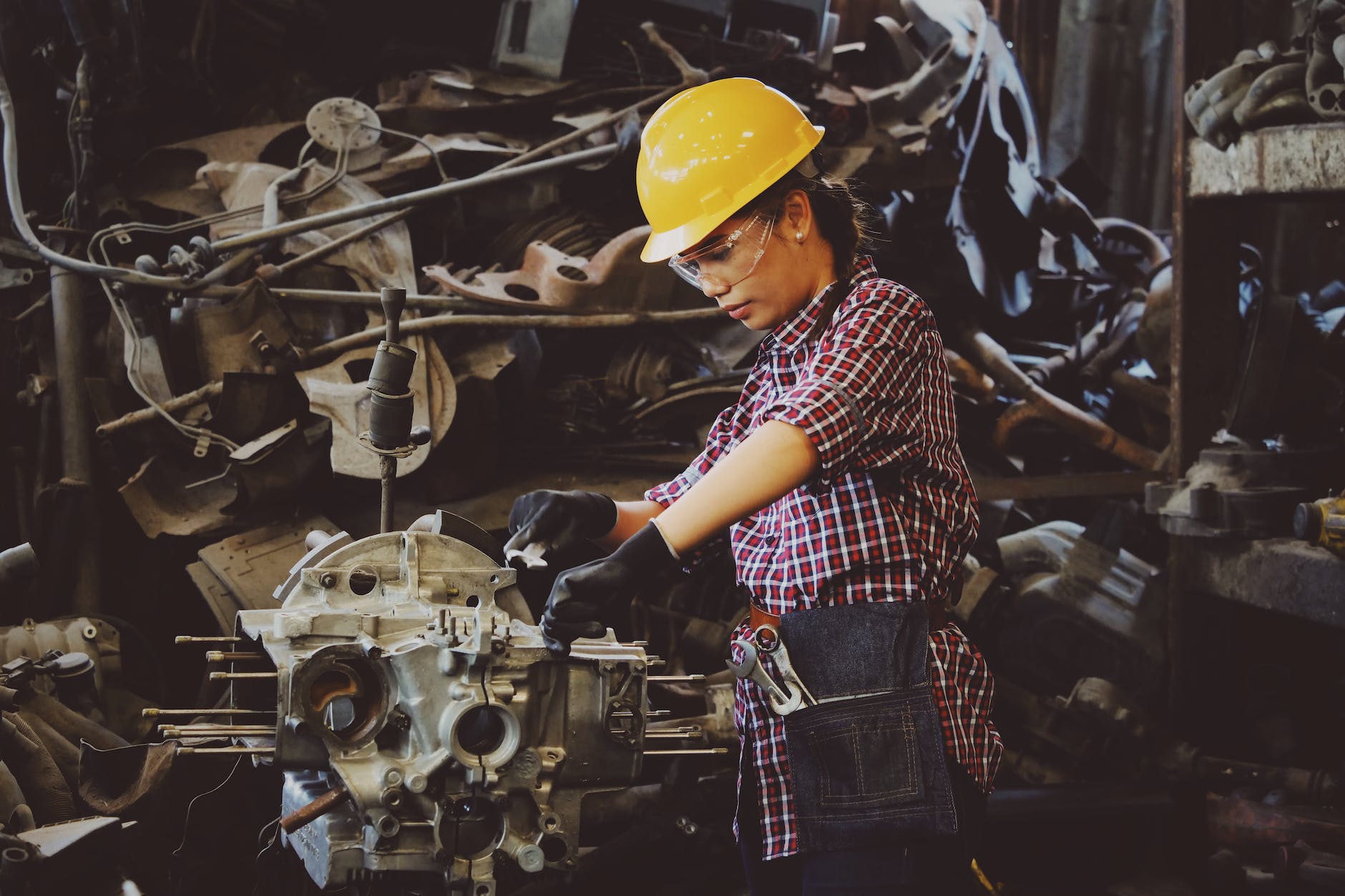
It’s the argument that people should have access to the parts needed to fix machinery, computers, appliances, and any other large purchase items. We lose this right to fix our purchased items when manufacturers require specialized tools inaccessible to most people. For example, instead of using a common nut or bolt to do the job they make a specialized widget requiring a specialized tool that is only accessible through them or a contracted vendor. The manufacturer may also attach additional requirements such as requiring someone to be  “Authorized” or “Certified” through their training program, which of course, has to be paid for and may require materials fees such as books and/or require a re-certification or annual membership fee. This can also be called “gatekeeping”: limiting access to something in order to make it more valuable. It’s also a practice of what we in the United States call “nickel and diming”: when a business or person tries to get every last bit of change out of your pocket by creating add-on fees. Several notable companies that have a monopoly in their business sector are notorious for either steep or numerous add-on fees. 

Why it matters

I come from a family of “fixers.” We always try to fix things before throwing them away or repurpose them. Originally our intent was not to save the planet from excess garbage, but to save money. Nowadays, I do try to fix and repurpose things for both ambitions; to save money and the planet from unnecessary waste. There is no more wasteful practice than planned obsolescence and fast fashion. There’s very little profit in offering parts to repair things, especially when you can just force the customer to buy a new one. When it becomes adopted as an industry standard all you have to do is convince the public that your newer version is much better. Sometimes the product really is better than what was previously offered, but other times, it’s just small tweaks that a customer may or may not notice or even want.

You might notice that I keep calling us “Customers”, but to many businesses they prefer to call us “Consumers” in hopes that we might be hungry like a school of piranhas ready to snap up whatever their offering. Language matters. Many companies want us to be the greedy, capitalistic public that they portray us to be. In a future post, I’ll cover why language matters in advertising and marketing.

When our washing machine broke several years ago the sales guy was giving us his spiel and ended with something to the effect of, “…this should last you five or six years which is fine because people want to change their appliances by then.”

I couldn’t’ stop my face from expressing exactly how I felt about that statement.  Had it been said in words would have translated to “The #@$%, you say? How dare you mistake me for a fool?!?!” He panicked and quickly muttered about suddenly needing to do something way “over there” which was the farthest point away from us in the showroom and near a fire exit. I rarely intentionally intimidate people, but sometimes it happens naturally when they try to feed me malarky (aka rubbish.)

The most significant cases currently going through the U.S. legal system is a fight against John Deere tractors and Apple Inc. Farmers, have always been a social class of doers and fixers in our society out of necessity. Growing up rural myself, I’ve always admired the ingenuity of the farmers and machinist around me. I couldn’t believe my eyes when I read about the John Deere case. Sowing and harvest seasons are stressful enough. You can’t expect one certified repairman to cover an entire farming community of say sixty square miles of farmland, for example! That would be insane! Most traditional working American farms are hundreds of acres. You also have to fix the machine wherever it comes to a stop which is likely in the middle of a field. (1 sq mile = 640 acres/ ~ 259 hectares)

‘Right-to-repair’ advocates skeptical of John Deere agreement : NPR  (Jan 10, 2023)

The right-to-repair movement is just getting started – The Verge (Hot off the Press!  Nov 13, 2023)


Photo by Bruno Bueno on Pexels.com

What are Maker spaces?

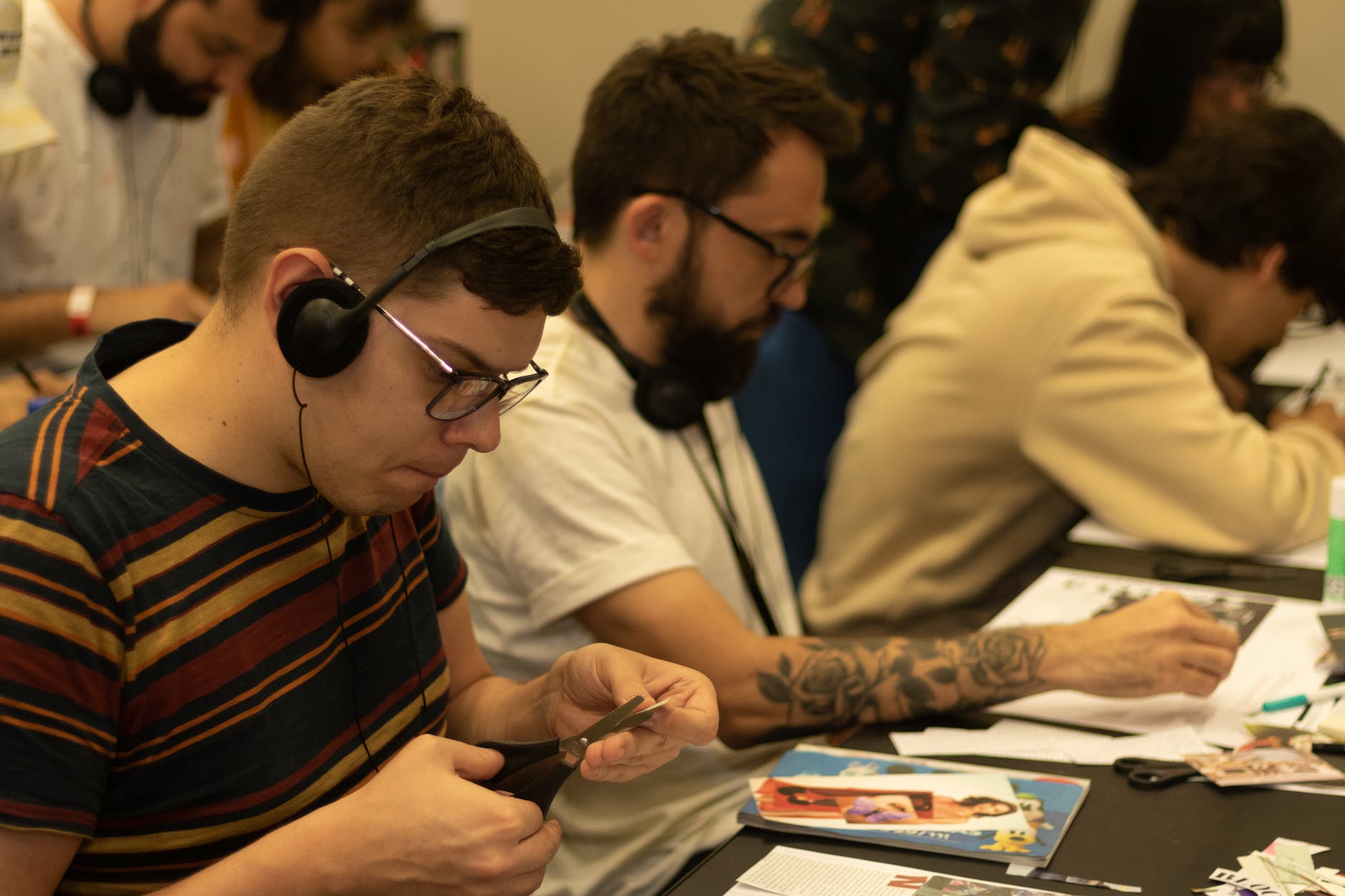
At its most basic definition a Maker Space is a place where people can gather together to make or repair a variety of things from lamps and vacuums to computer hardware. There is also the term “Repair Cafes” which is in the same vein. Both create a sense of community and encourage a curiosity for how things are made. You can find them both privately run or hosted and/or sponsored by different venues. My local library has makerspace classes and sessions that provide the space, the training, and access to a few key expensive equipment items. For example, two library branches in the county library system allow free access to 3D printers. You attend a safety training/how to class, bring your materials and if not part of a specific class session, then sign up for a 2-hour time slot to use the machine on your own.

Maker Spaces range in variety of complexity and offerings. From computer-related to arts and crafts projects. “Craft cafes” are another popular option that allow a meeting space and community atmosphere for those looking to paint, sew, crochet, etc. Some maker spaces hold themed events to keep community participants engaged.

Maker spaces try to be as inclusive as possible to all. Some are free and some require a small fee. I think these opportunities to build things together is important to have in a society where an epidemic of loneliness is taking over. It offers a safe space for people to be part of a community who aren’t interested in attending a church, or a sports or music-related venue.

Why they matter.

Makerspaces matter because having a sense of community is vital to us all! We are social creatures, even those of us who are introverted want to be a part of something bigger, but at our own comfort level. Sometimes it’s nice to sit in a room with other people and just do your own thing. It’s why writers like sitting in cafes. There’s a difference between being alone and being lonely. As much as I love my home and family, sometimes I just need to get away and meet new people, or I want them to get out of the house!

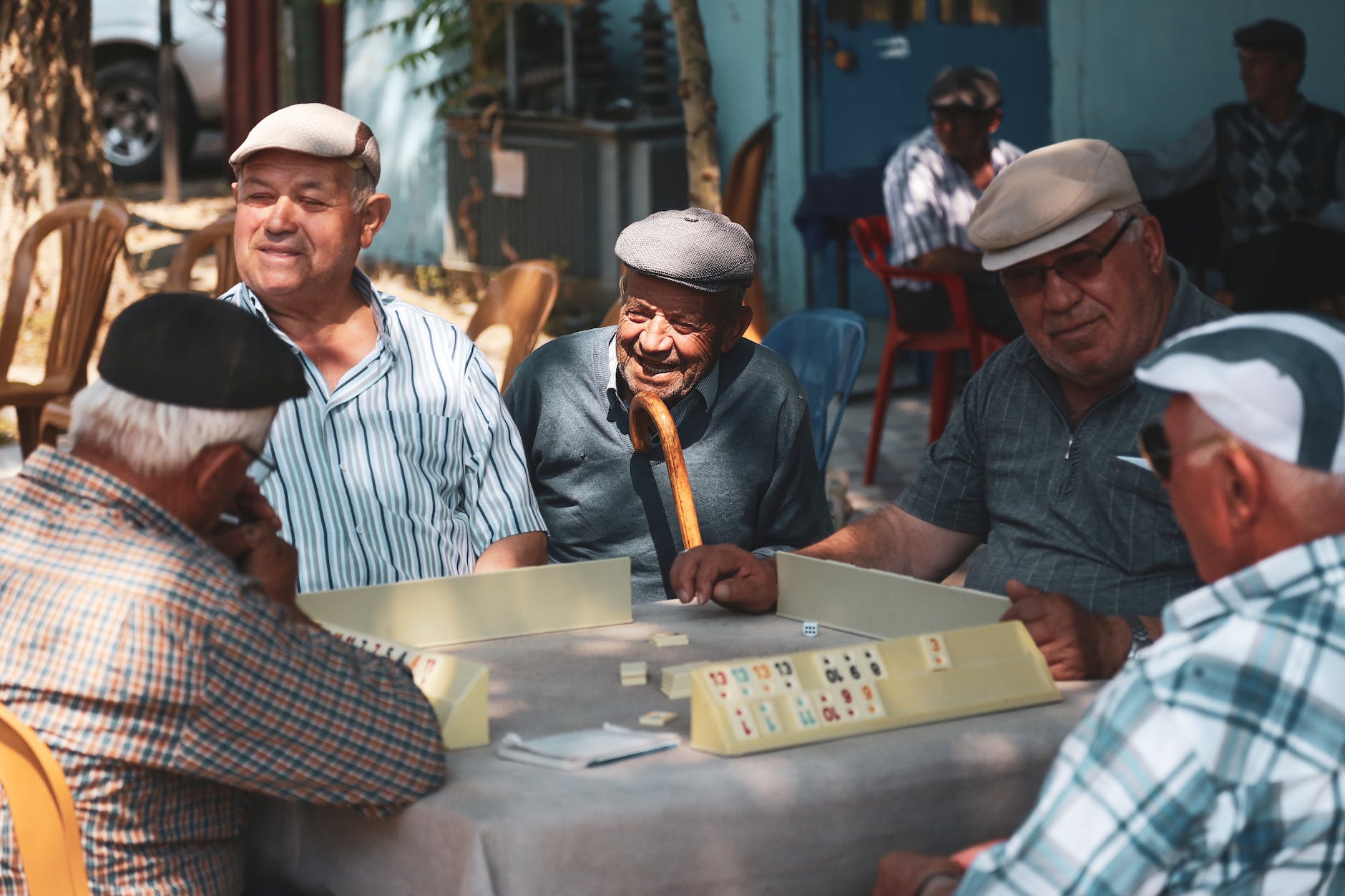
After talking with several friends in their 70s and 80s I’m starting to see a lack of places where older men feel wanted and interested in going. The women go out to connect with friends and trying new things, but the men don’t seem to know what to do with themselves. I’m concerned about how many people at all age levels comment on feeling adrift and disengaged from the rest of society. Makerspaces and the right-to-repair offer opportunities for feeling a genuine sense of accomplishment and a sense of community when done as part of a group. We need more physical spaces that bring us together without demanding we buy something.

Makerspaces can be found all over the world. Here’s a brief introduction and highlights of five Makerspaces including one in Brazil, India, and Senegal. The other two mentioned are in the U.S.

Top 5 Makerspaces Around The World | by IAM Community | IAM Community | Medium (Dec 20, 2019)

Have a wonderful week!

Go play outside…with friends!

Photo by u015eahin Sezer Dinu00e7er on Pexels.com

Indigenous Peoples Day 2023

Photo by u0412u0430u0434u0438u043c u041cu0430u0440u043au0438u043d on Pexels.com

Hello Nature-led friends!

My apologies for the brief post but I did not want to let Indigenous Peoples Day (aka Columbus Day) to pass without recognize. I am an ally of the rights of indigenous people especially here in my home state of what is now Washington State in what is now the country of the United States. These lands have long been the home of the Spokane, Colville, Kootenai, Cayuse, Umatilla, Walla Walla, Snoqualmie, and Duwamish to name only a few.

The Native Land Digital is a Canadian Non-profit organization building an interactive map so that people can explore the native land that they are standing on be it your own native land or someone else’s. If you are in the United States or Canada I encourage you to visit the websites of your local council tribes to see what they’re working on or if they have museums or cultural events that you might be interested in attending.

Native-Land.ca | Our home on native land

Below is a link to a brief article from CNN about how Columbus Day came to be in the United States and why recognizing Indigenous peoples’ rights today and everyday matters regardless of where you live.

https://www.cnn.com/us/indigenous-peoples-day-native-americans-cec/index.html

Were I living in Australia, I would also support The Voice of Aboriginal Australians. You can learn more about that referendum with this link: https://voice.gov.au/resources/fact-sheet-referendum-question-and-constitutional-amendment

Here is the link for anyone wishing to explore the cultural heritage of one of my closest tribes, The Tulalip tribe. I have visited this wonderful museum personally and invite any of my local friends to do so as well. You can even take me with you! I wouldn’t mind the opportunity to go again.

https://www.hibulbculturalcenter.org/

Have a great week!

A Beer Party for Slugs

Photo by Engin Akyurt on Pexels.com

While on a video call with our resident Nature-led Poetress Patricia Lezama she asked me what to do about slugs eating her plants. Not thinking anything of it I started to describe getting a shallow bowl, setting it flush with the ground, and pouring cheap beer in it. Wait for nightfall and by the next morning you’ll have a bowl full of dead drunk slugs. The look on her face was priceless! Her eyes got big and her mouth fell open in a mix of both horror and bemused interest, “Whaaaat?!?!“

It was at that precise moment that I realized, “Yeah, helping slugs drink themselves to death is a bit odd.” I can’t even tell you when I first learned of it. Someone in my family or a family friend must have shown me this trick when I was a kid. I only do it once or twice in the spring when the slugs are at their worst.

We rarely buy beer in this house so imagine my surprise when I come around the corner and find my spouse drinking one only to ask, “Why’d you buy such cheap beer?”

“Because it’s for the slugs!” I said. “If you want beer, put it on the grocery list.” This precise exchange has happened at least five times almost every spring. Last year was the first year I think I finally remembered to put a sticky note on the beers. It read: Slug Beer!

As I told Patricia, I like to think of the slugs having discovered a wonderful beer party where they all drink themselves into a wet coma and die. Happy and none the wiser to their demise.

I don’t like killing things. (I’m a vegetarian for crying out loud!) Sometimes though population need to be crashed to maintain a balanced ecosystem. The slugs are attracted to the sweet smell of the yeast in the beer and I only do it when I can visibly see I’ve got a massive slug year on my hands This year there weren’t enough slugs to bother with a beer trap. I’m not a robot AI bent on the complete annihilation of a species!

I’ve never had an issue with unintentional victims, not so much as a drunken squirrel! According to multiple online sources there are natural predators to slugs including ground beetles, some birds, frogs, toads, snakes and apparently hedgehogs!?!? Well, now I’ve learned something new!

I probably don’t want to know about the first time someone figured out that leaving beer unattended overnight attracted slugs. The novelty of it though makes me think of carnivorous plants, specifically Pitcher Plants, using the sweet smell of nectar to lure unsuspecting insects down their throats where escape in unlikely.

So now I’m curious, do you have any gardening tricks that might seem weird to others?

My mini forest of pitcher plants with a tiny Venus fly trap in the front left foreground. By Melanie Reynolds