It’s Springtime and I’m springing into action trying to get our homestead, affectionately known as the Fernmire, ready for the warm seasons. Why do we call it Fernmire? Because we have lots of ferns and it can become quite the mire through the rainy season, roughly October through May. I also just really like the name; it goes with my whole “Bog Lady Witch” aesthetic that I’ve been dreaming up in my brain. Strictly for my own entertainment purposes. My rituals are very mundane (like making coffee in the morning) and my curses are basic (like calling bad drivers “a dirty biscuit eater” because it’s better to be annoyed and amused than all about road rage.)
Humans aren’t the only ones who get annoyed about near misses. The birds are going crazy right now! They harken the early morning dawn at 6am now. The Juncos, in particular, are bad drivers flyers and the chickadees aren’t having it! I nearly got hit by a Junco the other day! Did it mistake me for a moving tree? It narrowly missed my face, which would have been unpleasant for both of us! There are of course some rivalries going on as the birds vie for mates making them bolder and maybe not so smart in the throes of passion.
This is the time of year when we see an increase in birds hitting the windows. I’d always hoped if we kept our windows dirty enough the birds wouldn’t hit them, but there’s always a few that seem to hit the windows in the dining room despite the dirty windows. So, this was the year I put forth the effort to clean the windows and put window clings on them that should hopefully stop unnecessary death. There is enough drama going on with the Avian Flu right now, affecting birds and mammals alike. While I don’t want to get into it, I’ve heard several heartbreaking first-hand accounts from Wildlife Enthusiasts/Birders and Wildlife Rehabbers alike of Great Blue Herons, Raccoons and Foxes dying or being humanely euthanized due to complications from HPAI H5N1.
Anti-strike Window Clings Photo By Melanie Reynolds
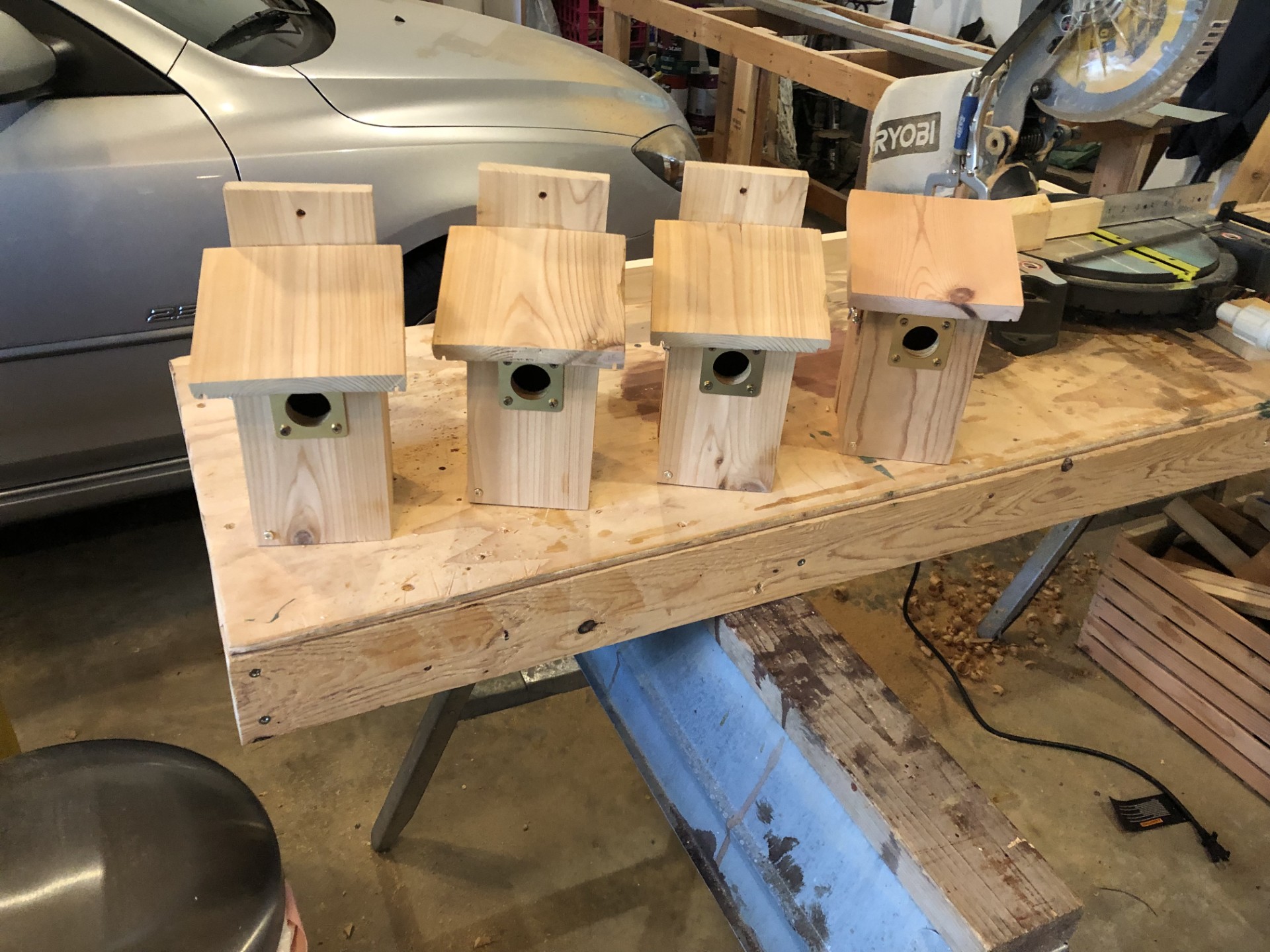
This is the year we were also on time for making a plethora of new birdhouses! You can make four birdhouses from one piece of cedar wood fence plank; the fifth one was made out of spare wood we had as the initial prototype. If you would also like to make birdhouses this is the website we used for instructions and cut sheet. It’s hosted by the Cornell School of Ornithology, which also hosts the wonderful website All About Birds.
I hope you are well and have the chance to get outside! If you’re doing anything special to support your wild neighbors this year let me know in the comments below!
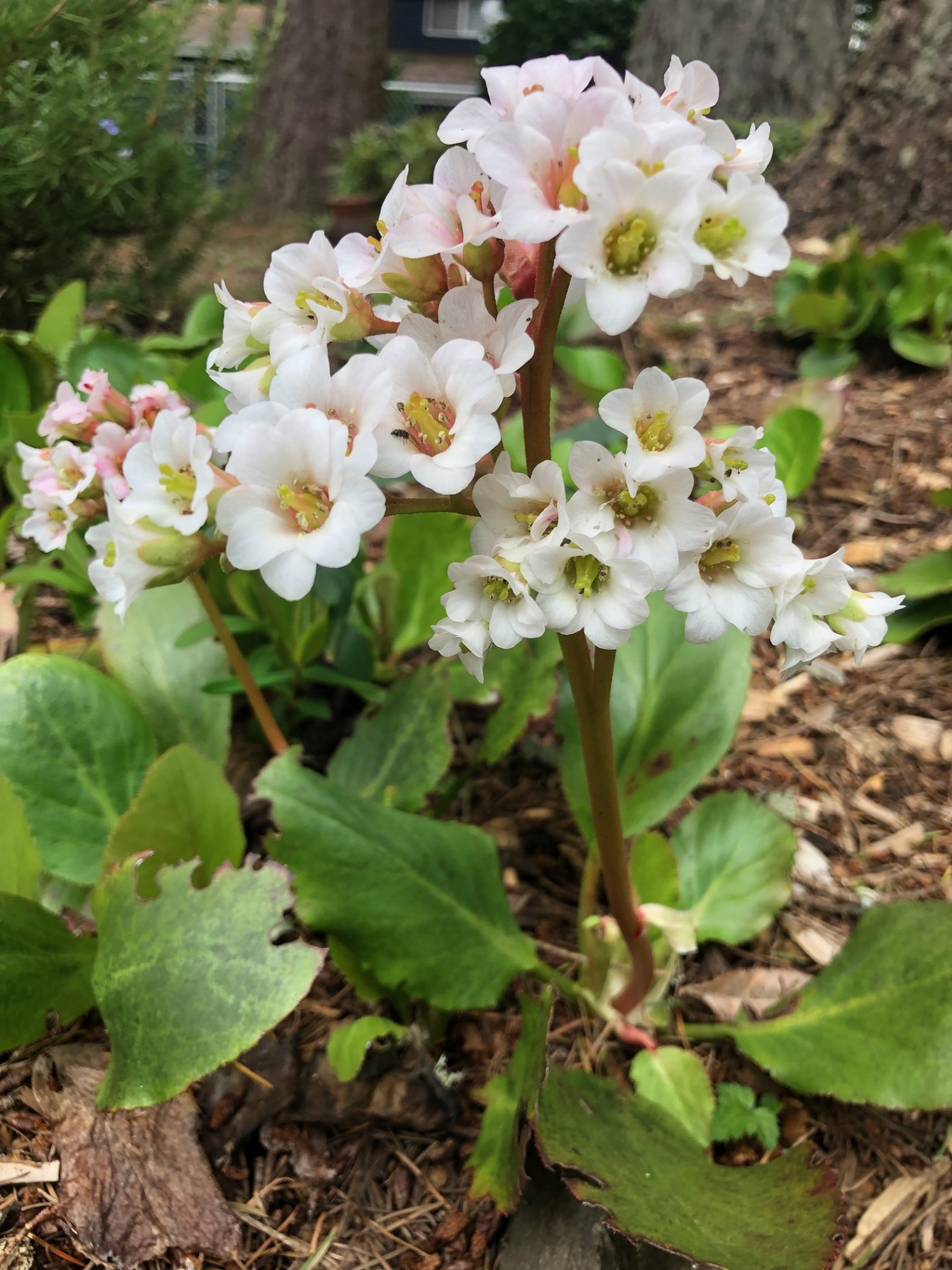
Flowering Begonia 2025 By Melanie Reynolds
Additional Links:
For more information about Avian Flu impacts visit the page of the Native American Fish & Wildlife Society below:
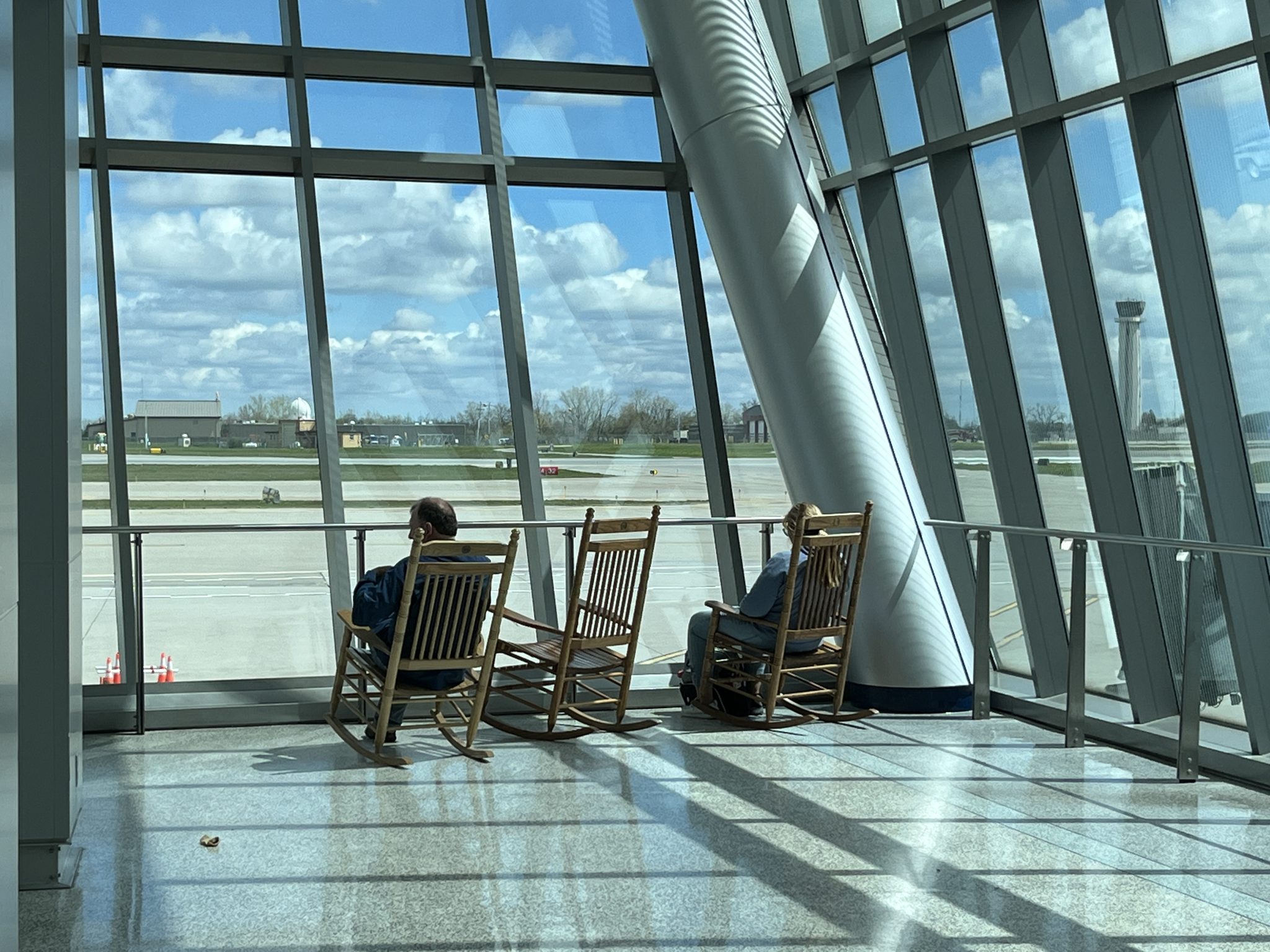
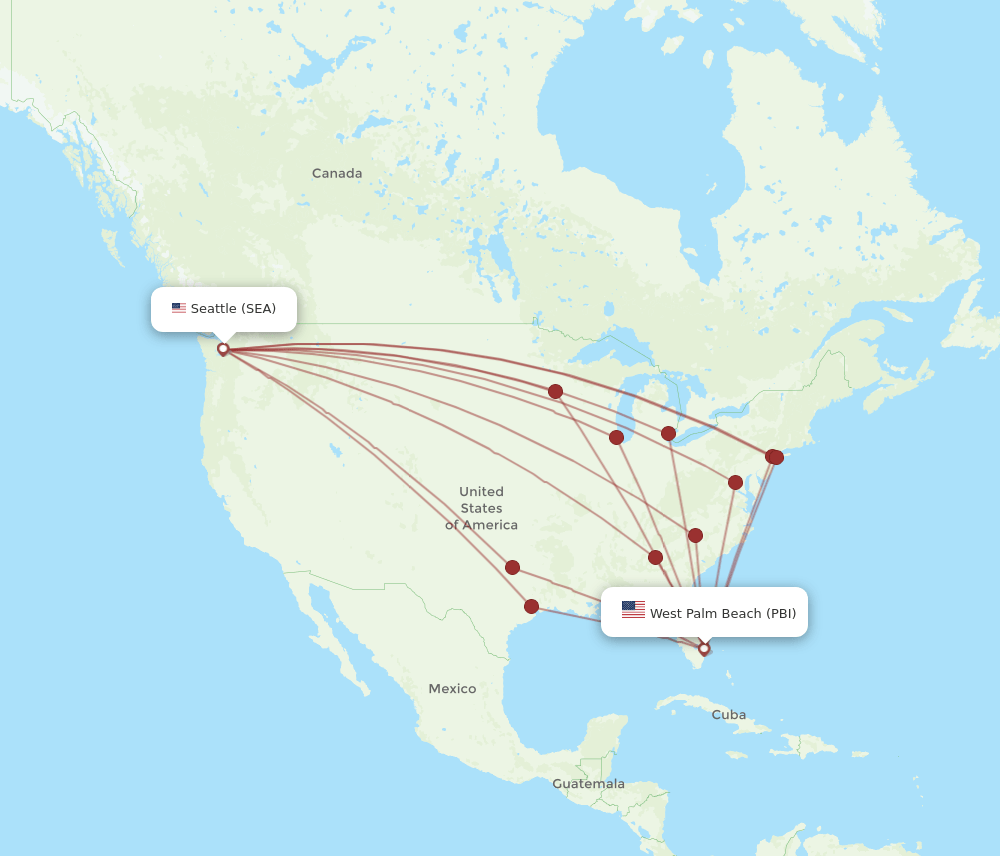
I’m back from my annual visit to the In-laws in South Florida. There are no direct flights from our home airport to our destination airport, so when booking our two-leg journey my preferred connecting airport is Charlotte, NC. I like Charlotte (CLT) because it’s a smaller airport, breaks up our in-air time better and has a really good restaurant called “Bad Daddy’s Burger Bar.” If you’re lucky, you might even get a chance to sit in one of their white “Southern Charm” rocking chairs along a long bank of windows! (Read an interesting story about how they got there. Link below.) Allowing an extra-long layover allows us to enjoy our food and walk casually between our arrival and departure gates. It’s always stressful when you have to run a marathon through an airport with your bags, especially when the airport involves a labyrinth of escalators and trams between gates which inevitable makes me feel like someone stuck me in this famous lithograph by M.C. Escher. I’m looking at you Hartsfield-Jackson Atlanta airport (ATL) in Georgia!
Lithograph by M.C. Escher, “Relativity” First print Dec. 1953
We fly once a year to visit family and I’ll not be shy about it; I need anti-anxiety medicine to get on a plane. A series of incidences over several years has made it hard for me to get on a plane. I’ll always remember my last conversation with a boy who loved soccer and will never grow old. This January marked the 25th year all passengers and crew lost their lives aboard Alaska Air Flight 261.
My last international trip was to Japan in 2007. The trip was great, and my friends there always make me feel like a rockstar when I’ve had the chance to visit. Unfortunately, on the flight home out of Tokyo’s Narita airport the plane suddenly hit “dead air” during takeoff just before reach cruising altitude. No air, no lift. The plane suddenly dropped several thousand feet! It was all I could do not to scream, because I knew there were young children sitting behind me. The plane found lift and was able to regain altitude and resume a normal flight. I waited the whole eleven-hour flight for deboarding just to have the opportunity to see the pilots and say, “That drop scared the crap out of me!” And the Captain said, “Me too!” I shook my head and said, “No, no, no, you’re supposed to tell me you had it under complete control the entire time!” I don’t feel better knowing the pilots were also scared.
I’m terribly sorry if this post unlocks a new fear of flying for you, but I assure you as I assure myself every time, I have to fly that these incidences are incredibly rare! My logical brain knows this and yet, I feel as if I can feel the world too much. In these circumstances having a long memory is more of a curse. Don’t think I haven’t been telling myself that I wish I were a bit dumber! “Ignorance is bliss” is a common saying in the U.S. and I sure would like to experience that bliss because the weight of the world is quite heavy indeed. I’m striving to encompass the idiom; “let it all roll off of your back like water off a duck” and less of “an elephant never forgets.” The more I pretend not to care, the more my face betrays me.
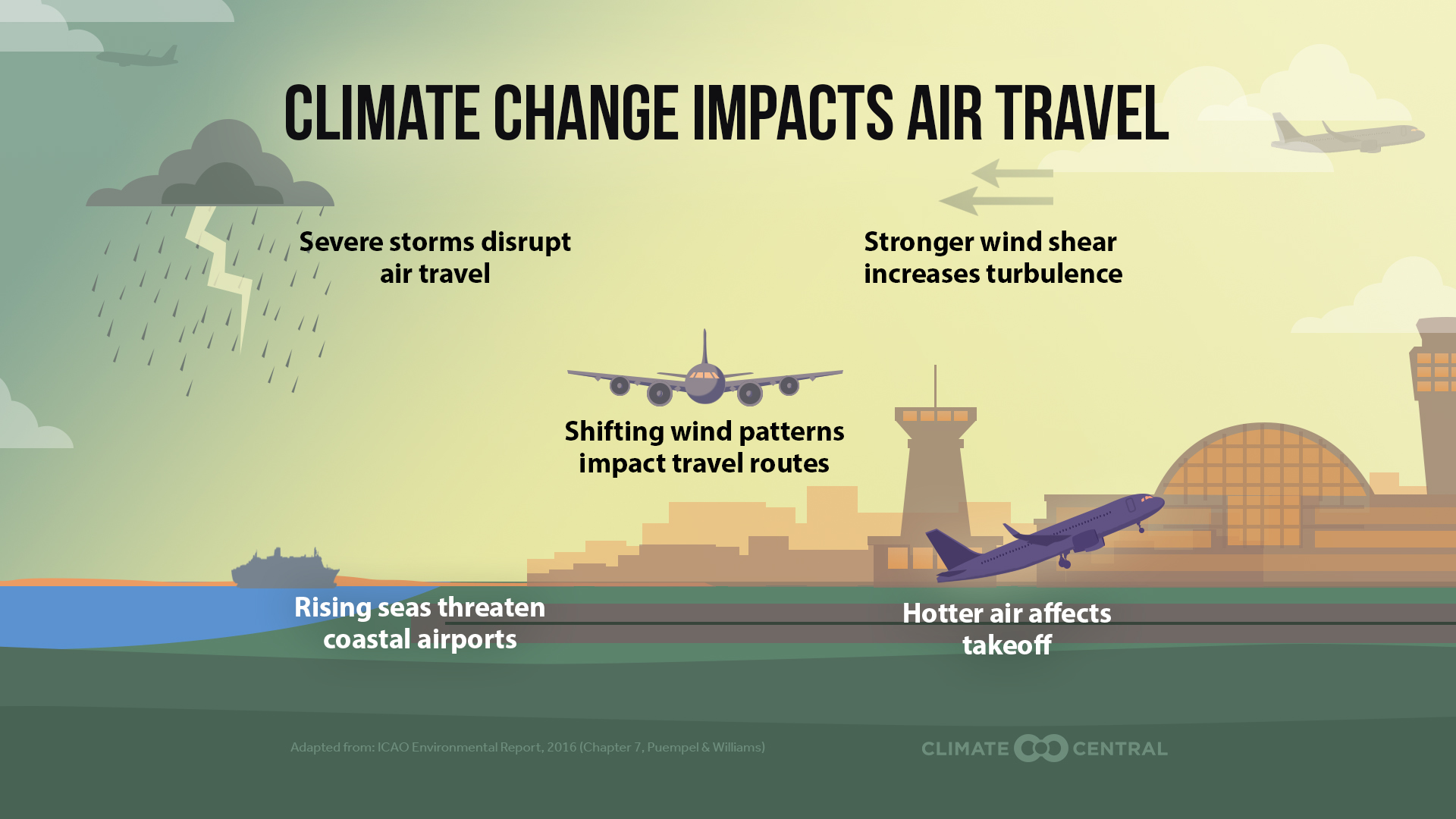
So why am I telling you all this? Because climate change is real, despite what the Trump Administration says while it quietly scrubs climate data from U.S. government websites. Remember back in the day when people used to talk about “Global Warming” and there would always be some person in the back that would be like, “What are you talking about? We just had the coldest winter on record?!?!” And then Scientists were like, “Yeah, but the world itself is still incrementally increasing in global temperature year after year.” Then the naysayer is all like, “What do I care about the price of dirt in China?” (I’m sorry, that’s an American idiom used when someone expresses that they don’t care about what happens in the rest of world.) That kind of thinking is short-sighted and sometimes intentionally so because life is easier when the only world you care about is the one you make up in your head.
In an effort to use better language Scientists and people who give a damn about the planet and the lives upon it now say, climate change for better accuracy. The climate would still be warming and changing with no human interaction because weather is a cyclical system, but humans are rapidly accelerating it with unknown consequences. This is why I think we need to focus on adaptation and resilience. Climate change is already starting to affect how we vacation.
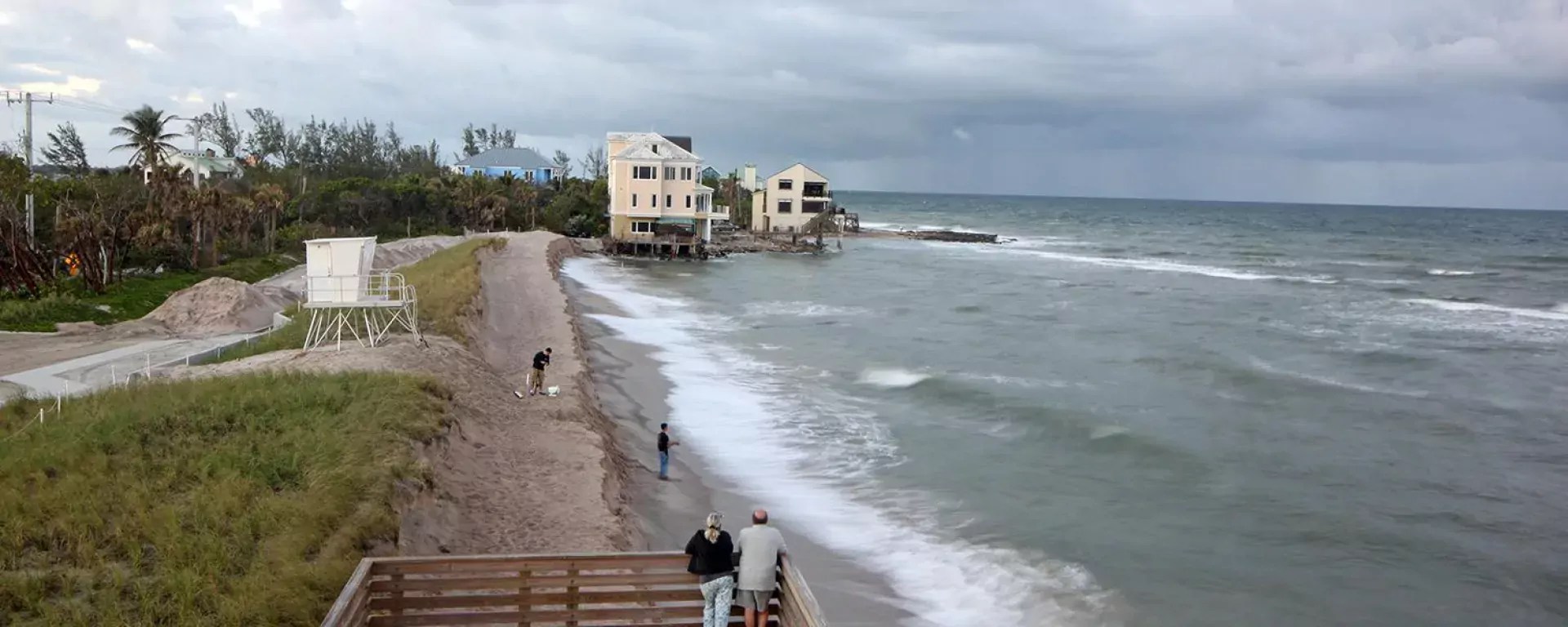
Bathtub Beach before the start of a reclamation project in Stuart, Florida.
On this recent trip I was hoping to find a new swimming beach that might have a reef close enough to shore that we could swim to and explore. Both places ended up being closed due to reclamation programs in progress. The ocean is washing away Florida’s beaches. Expensive projects are being undertaken to return sand and berms to Florida’s beaches. It is a vacation destination for many people, because of the beaches. Everyone wants a view of white, sandy beaches but without mangroves and sea grapes there isn’t a whole lot to help keep the soil and sand in place.
The other place is Peanut Island in Riveira Beach. There’s no indication that the island or ferry to it is closed on the website. We drove there to find no one else there and cranes and big piles of sand spotted on the island. I wish I had taken a picture. I have looked at the website again right now (March 9th, 2025) and there is no change to the website indicating whether the island is open or closed to the public.
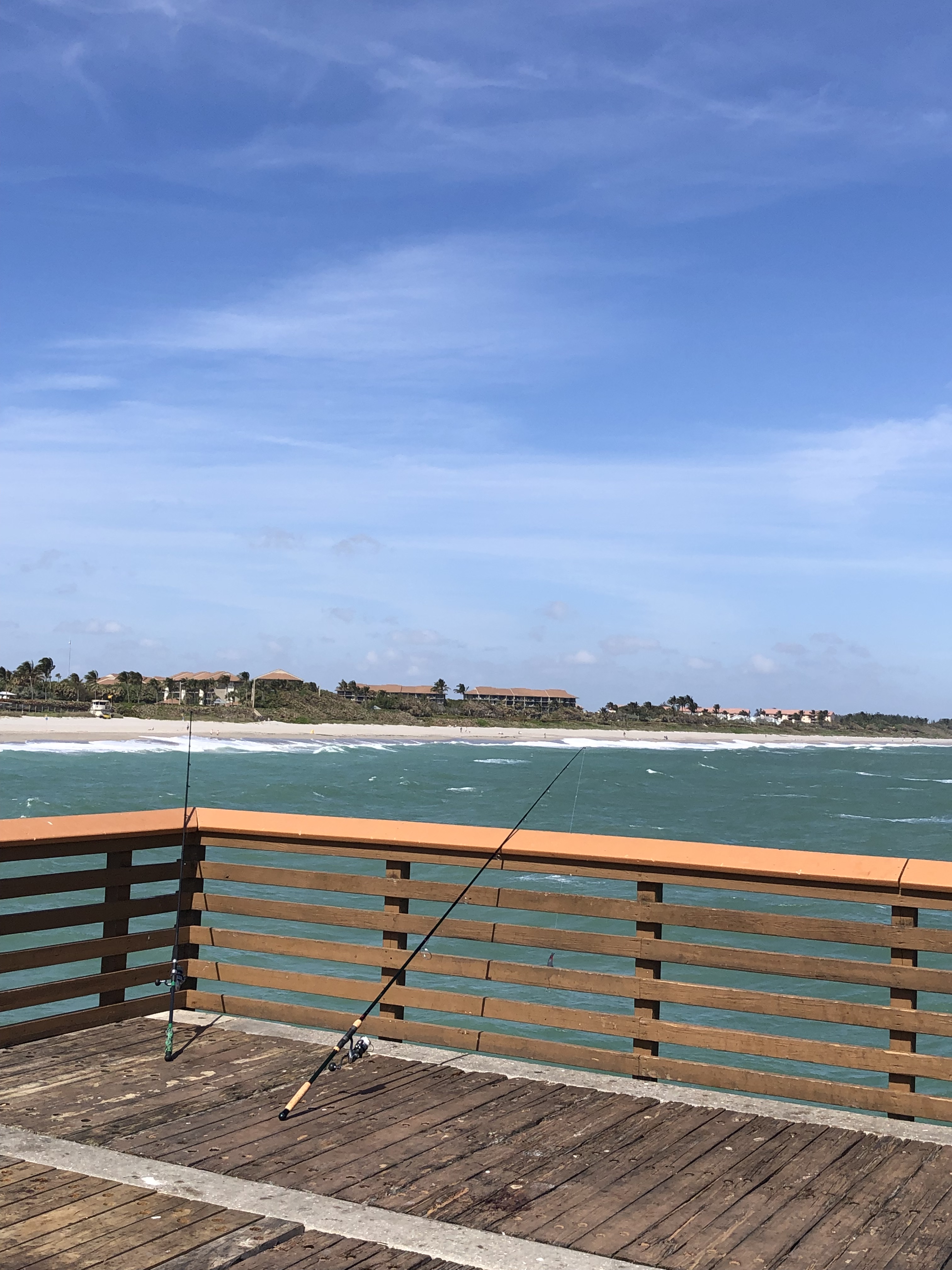
A couple of places we did get to visit was the Juno Beach pier. They now have an entrance fee onto the pier at $2/ a person. I don’t mind though. I think it’s fair to ask for reasonable funds to help keep something open for community members and tourists alike.
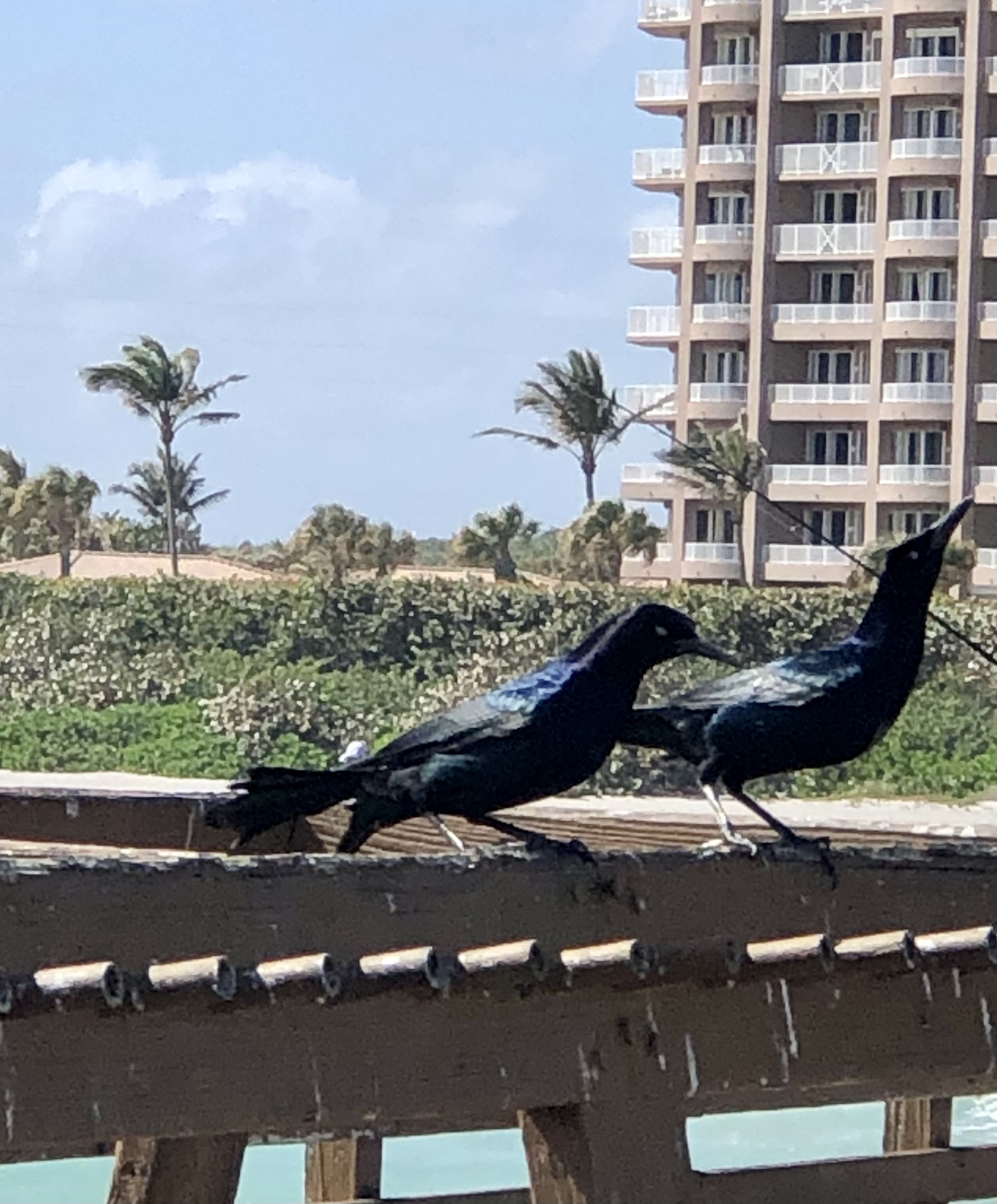
Juno Beach Pier 2025 By Melanie ReynoldsBoat-tailedGrackles at Juno Beach Pier By Melanie Reynolds
We also visited one of our favorite places called Loggerhead Marinelife Center. I didn’t take any pictures this time around but it’s a great place to visit if you find yourself in Juno, Florida, U.S. The Marinelife center is a one mile walk from Juno Beach Pier.
Has climate change affected any of your favorite vacation or holiday places?
I’m back with a quick post to let you know how the egg substitution went using only seltzer water as a replacement.
Overall result: Success!
Baking is not my forte, but I like baked goods and sometimes you just have to bake it yourself. Fortunately, I’m perfectly happy with the many box mixes available here in the United States.
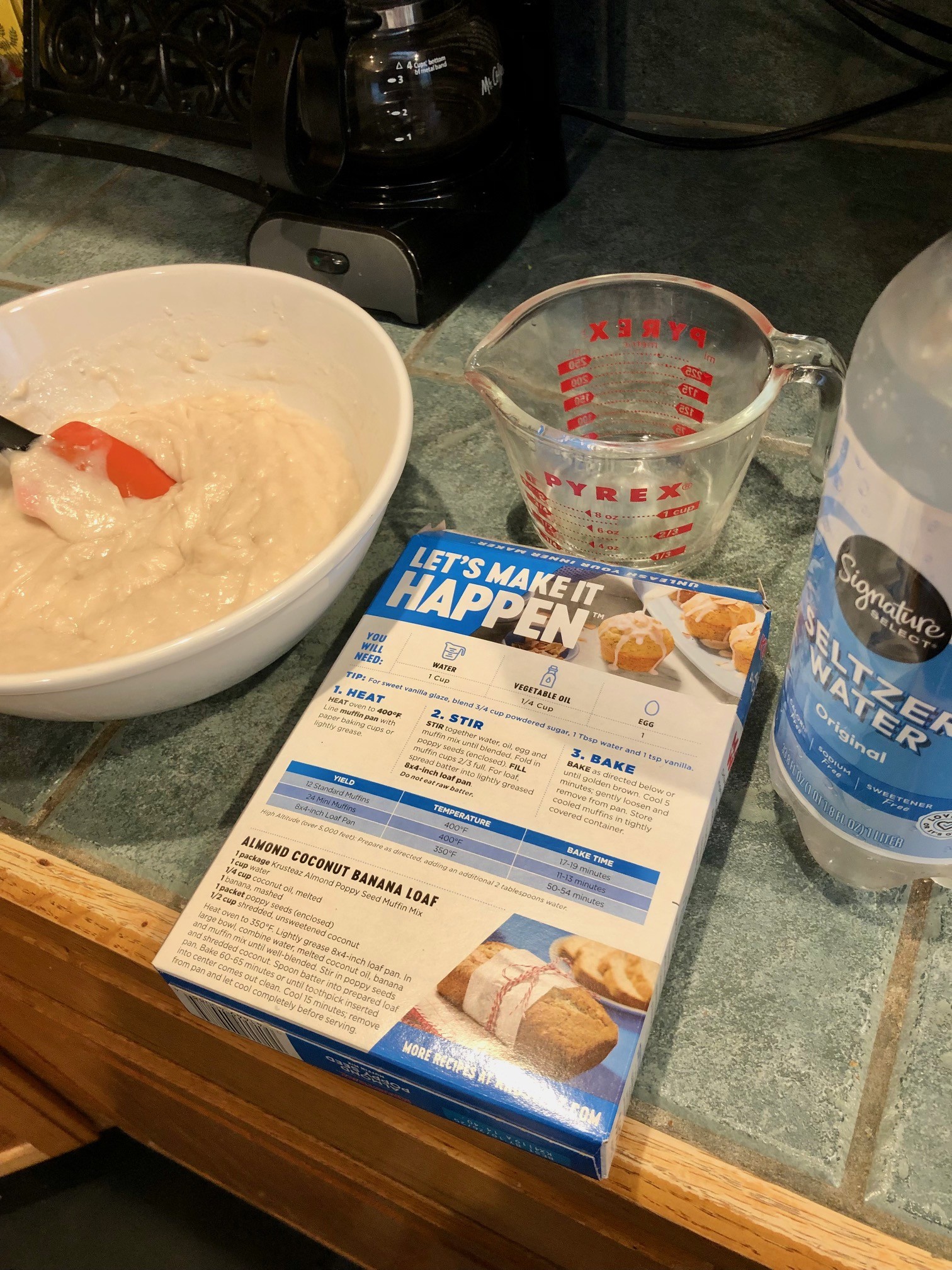
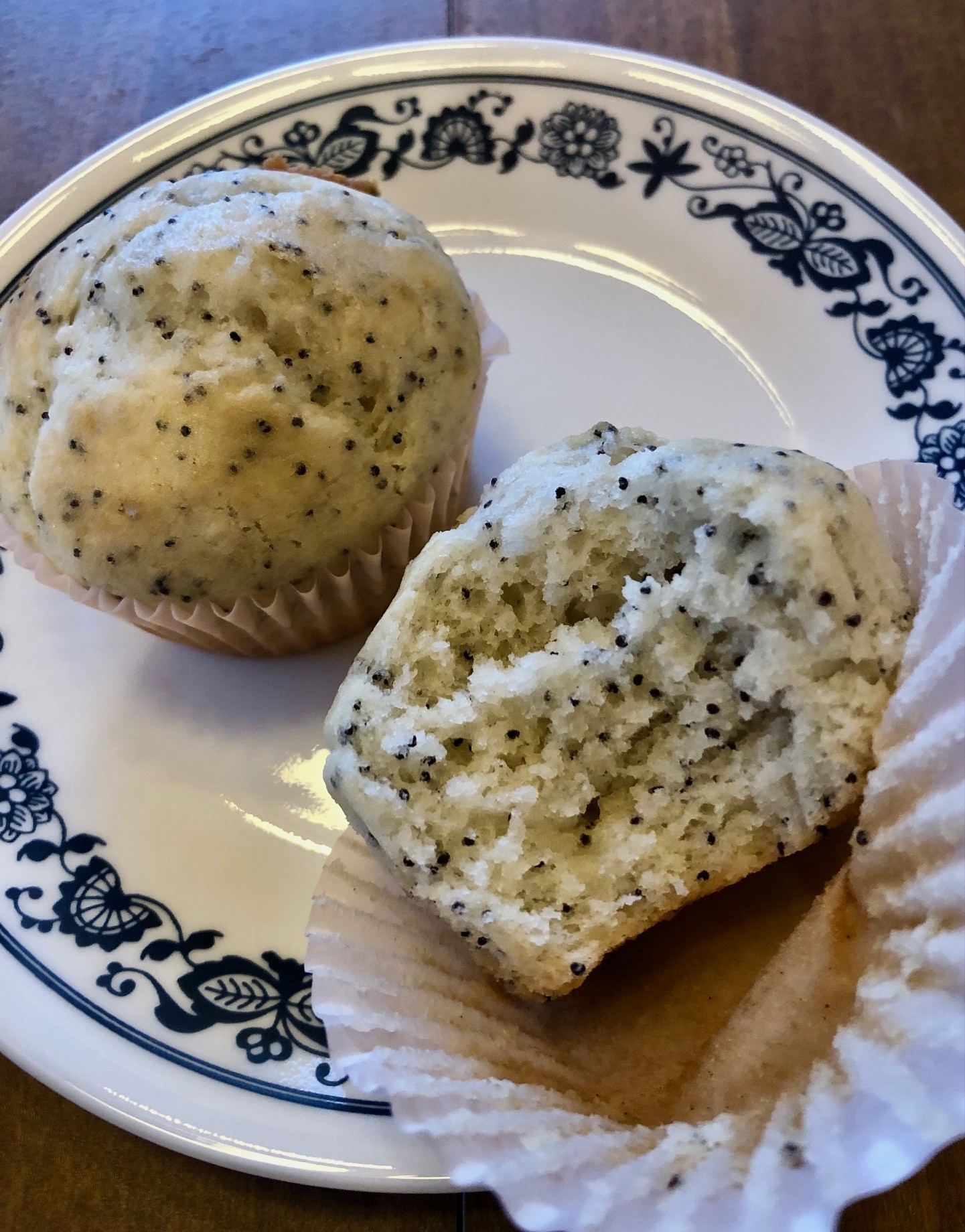
First up: Krusteaz Almond Poppyseed muffin mix
I mixed everything else in first then added 1/4 cup seltzer water (equivalent to 1 egg). I could hear the seltzer reacting with the baking soda which makes sense that it would create the lift and airiness. After baking it was paler than if I had made it with egg and it was more moist by way of chewiness, but overall, three out of three taste testers liked it and would do it again.
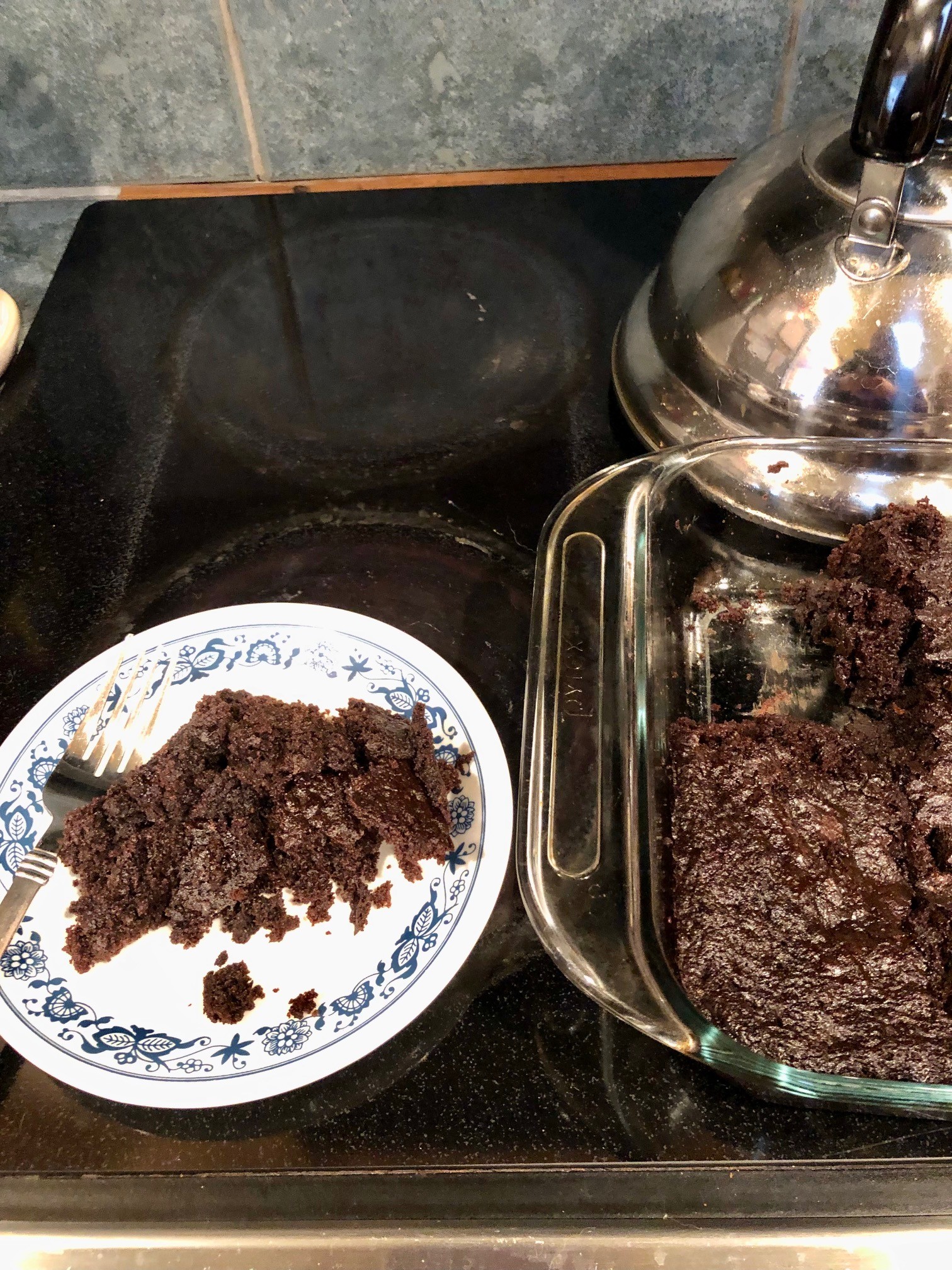
Next up: Trader Joe’s Brownies with Dutch cocoa and chocolate chips
This recipe required two eggs, so we substituted 1/2 cup seltzer water. I really liked the crunchiness of the outer edges, but the center fell apart. The brownies were still delicious, just very crumbly. If I did it this way again, I would put the mix into muffin tins to cook through and add more stability and shape.
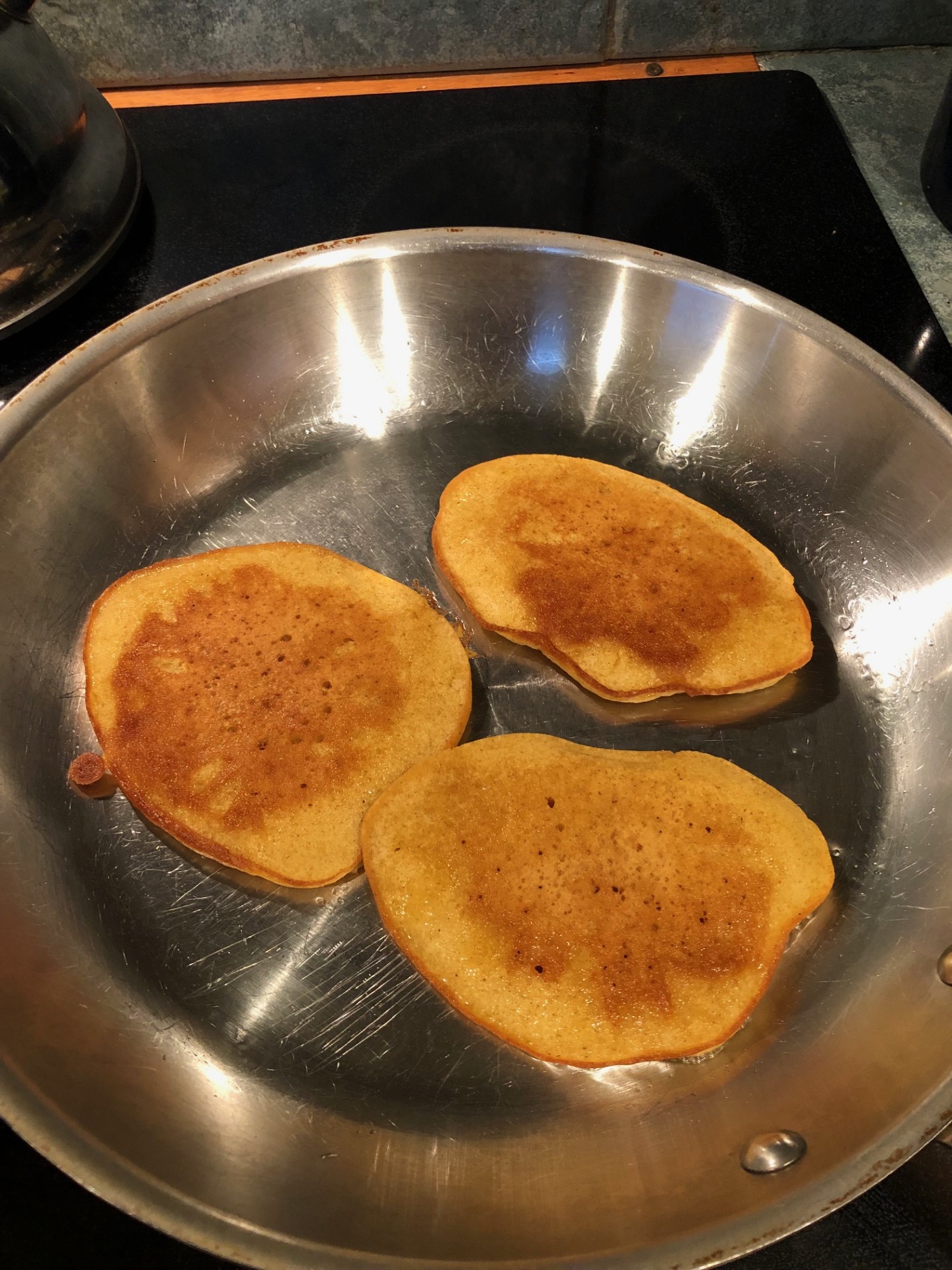
Finally, because it was a snowy icy weekend where we didn’t want to even try to go out, we continued our experiment with pancakes! I used Trader Joe’s Pumpkin Pancake mix which are indeed, “fancy pancakes” normally made with box mix, 2 eggs, 4 tablespoons butter, plus 3/4 cup of milk. The nice thing about this is that I could add more pancake mix and let it rest a little to thicken up the batter for a better consistency. The pancakes came out with nice edges. They were a little extra floppy in the middle, but still delicious.
Final Thoughts:
Seltzer water is a great and affordable substitute for eggs. If you are making something for someone who is vegan or allergic to eggs, seltzer water is a good substitute for baking simple baked goods. (If you use a box mix always double check the ingredients list to make sure powdered eggs aren’t part of the mix. Keep the box available if the person wants to see it, especially if they have food allergies.)
The downside to using seltzer water is the likelihood of having it in the house when you might need it as a substitute because you are out of eggs. It takes pre-planning to have it available. If you use it to make brownies or cake in a pan, you may need to put foil around the edges and let the center bake longer in the middle to keep it from being too wet and crumbly. As a side note, I once watched a chef make a meringue who was allergic to egg whites, so he substituted aquafaba (chickpea (aka Garbanzo bean) liquid from the can to create stiff peaks. The great thing about this substitute is that it gives the viscosity that egg whites would provide as a binder with a little added nutritional boost.
Do you have any great cooking hacks that you would like to share?
Have a great week! Get outside and don’t be afraid to try new things!



 The Nature-led Life