I’m back with a quick post to let you know how the egg substitution went using only seltzer water as a replacement.
Overall result: Success!
Baking is not my forte, but I like baked goods and sometimes you just have to bake it yourself. Fortunately, I’m perfectly happy with the many box mixes available here in the United States.
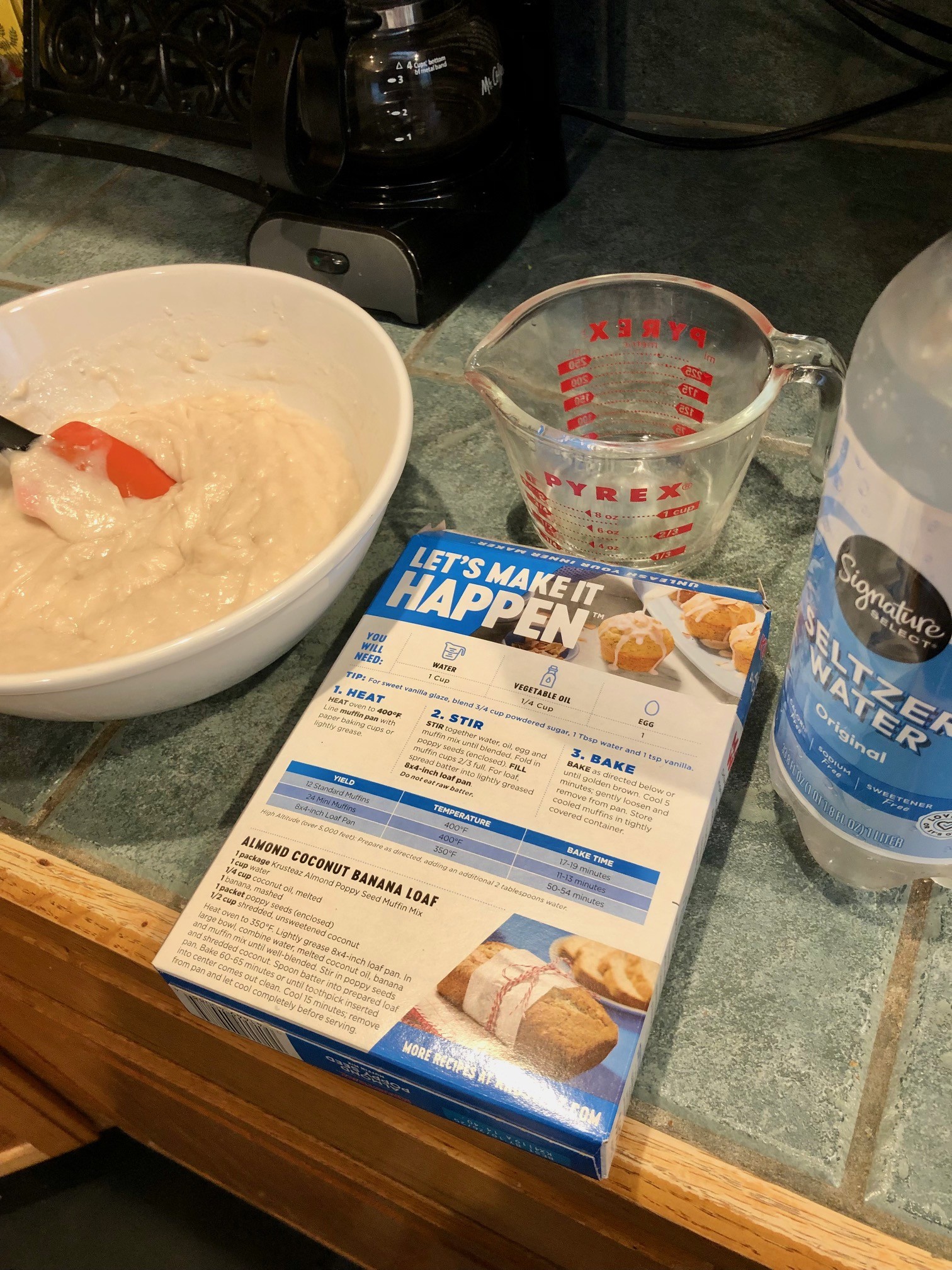
First up: Krusteaz Almond Poppyseed muffin mix
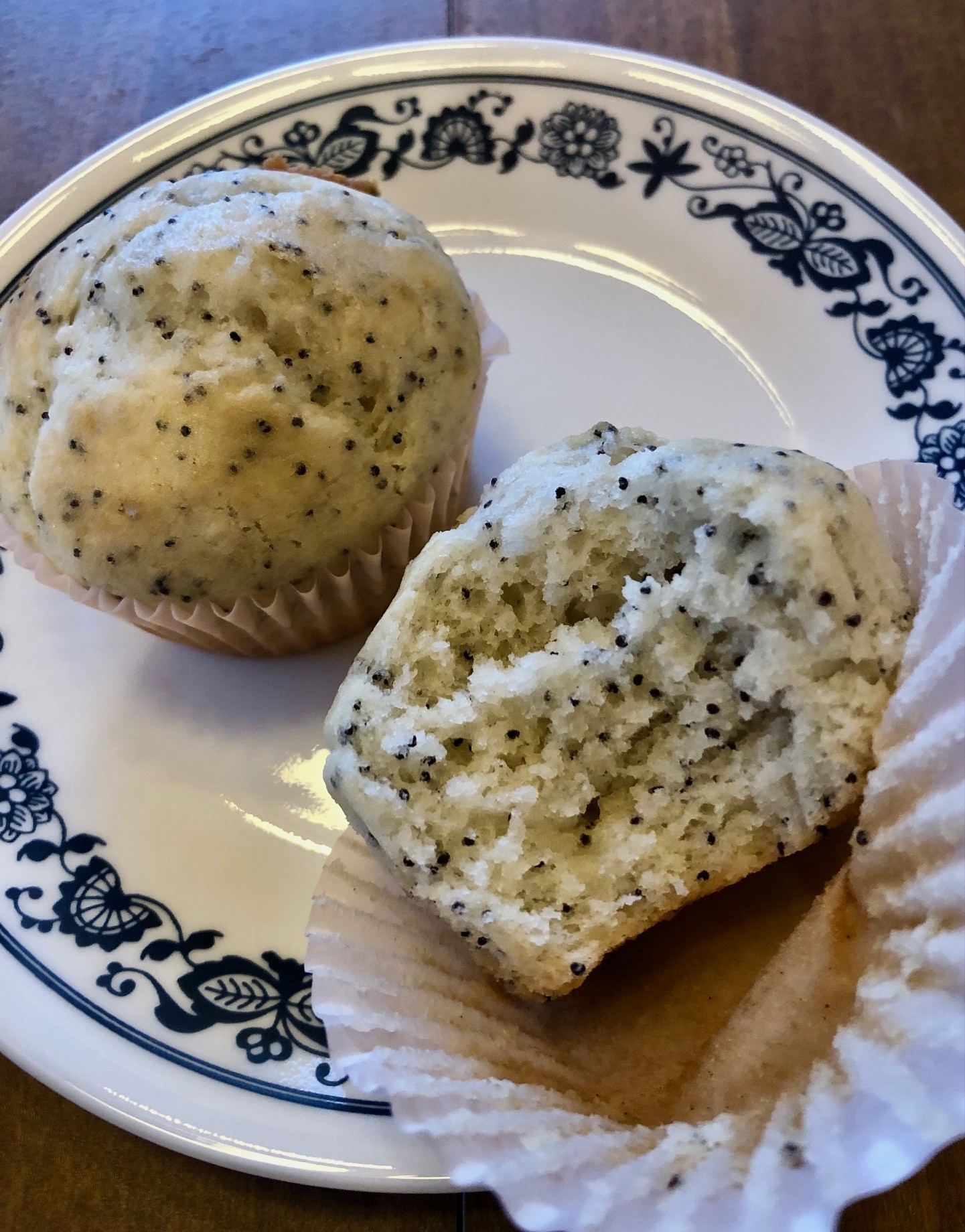
I mixed everything else in first then added 1/4 cup seltzer water (equivalent to 1 egg). I could hear the seltzer reacting with the baking soda which makes sense that it would create the lift and airiness. After baking it was paler than if I had made it with egg and it was more moist by way of chewiness, but overall, three out of three taste testers liked it and would do it again.
Next up: Trader Joe’s Brownies with Dutch cocoa and chocolate chips
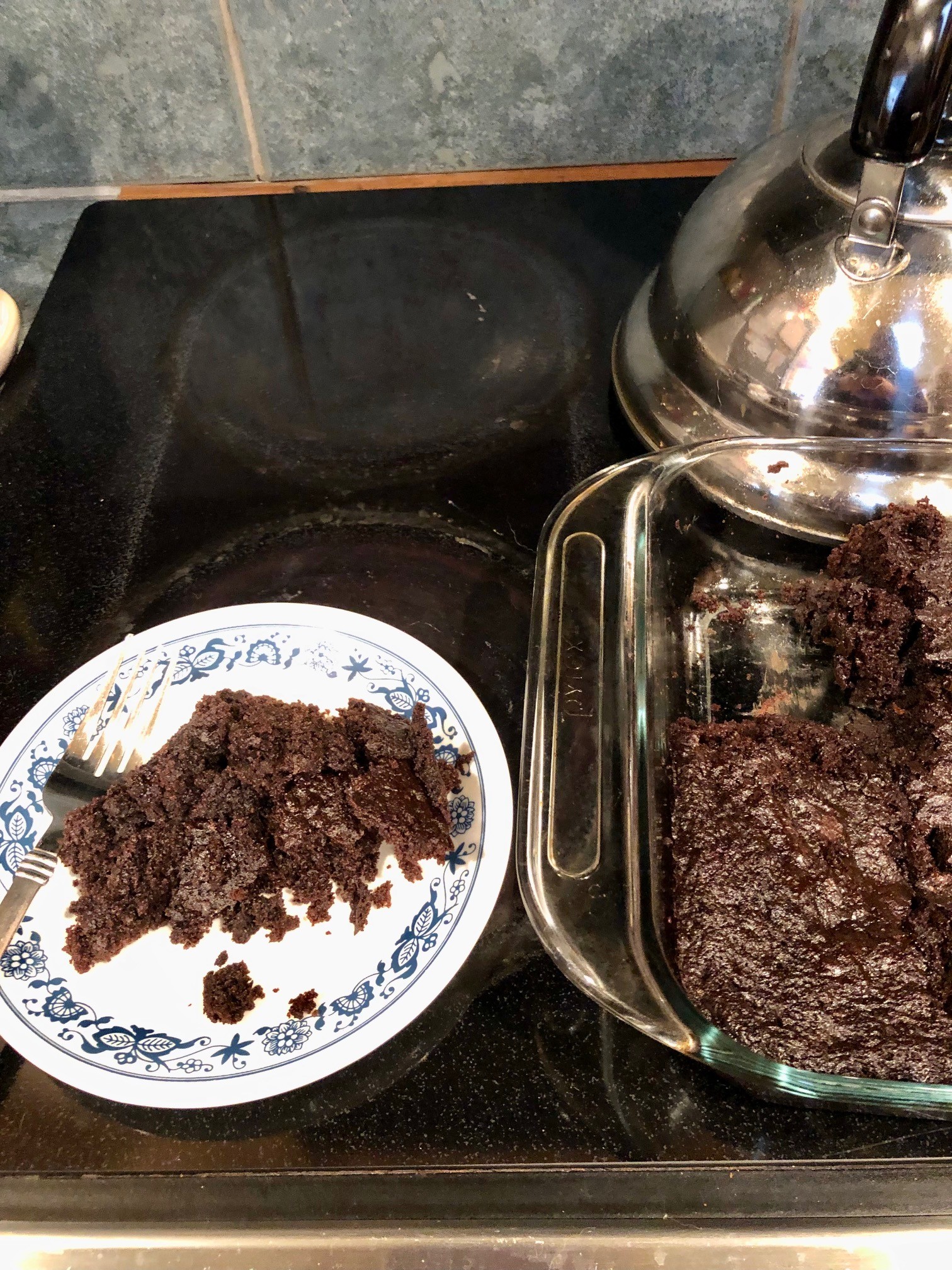
This recipe required two eggs, so we substituted 1/2 cup seltzer water. I really liked the crunchiness of the outer edges, but the center fell apart. The brownies were still delicious, just very crumbly. If I did it this way again, I would put the mix into muffin tins to cook through and add more stability and shape.
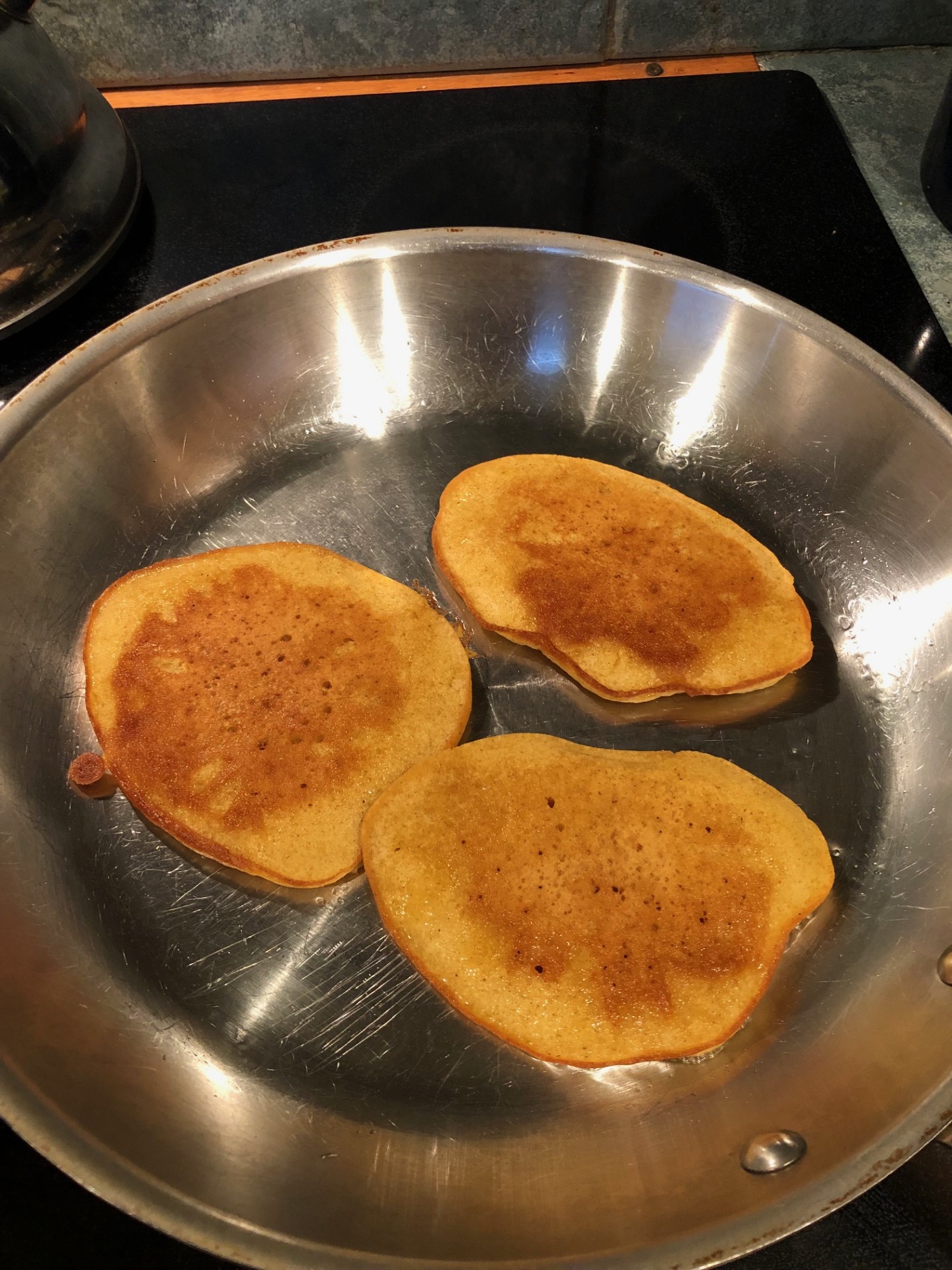
Finally, because it was a snowy icy weekend where we didn’t want to even try to go out, we continued our experiment with pancakes! I used Trader Joe’s Pumpkin Pancake mix which are indeed, “fancy pancakes” normally made with box mix, 2 eggs, 4 tablespoons butter, plus 3/4 cup of milk. The nice thing about this is that I could add more pancake mix and let it rest a little to thicken up the batter for a better consistency. The pancakes came out with nice edges. They were a little extra floppy in the middle, but still delicious.
Final Thoughts:
Seltzer water is a great and affordable substitute for eggs. If you are making something for someone who is vegan or allergic to eggs, seltzer water is a good substitute for baking simple baked goods. (If you use a box mix always double check the ingredients list to make sure powdered eggs aren’t part of the mix. Keep the box available if the person wants to see it, especially if they have food allergies.)
The downside to using seltzer water is the likelihood of having it in the house when you might need it as a substitute because you are out of eggs. It takes pre-planning to have it available. If you use it to make brownies or cake in a pan, you may need to put foil around the edges and let the center bake longer in the middle to keep it from being too wet and crumbly. As a side note, I once watched a chef make a meringue who was allergic to egg whites, so he substituted aquafaba (chickpea (aka Garbanzo bean) liquid from the can to create stiff peaks. The great thing about this substitute is that it gives the viscosity that egg whites would provide as a binder with a little added nutritional boost.
Do you have any great cooking hacks that you would like to share?
Have a great week! Get outside and don’t be afraid to try new things!
You may be concerned about the state of the world these days. It’s understandable. Things are changing with every rotation around the sun. We can’t go back. There’s nothing to go back too. Time marches forward and no one gets to change what happened yesterday. You can try to recreate what was, but it can never be exactly the same. Nostalgia is an unreliable narrative.
The time for individual convalescence and introspection is over.
In my time I’ve survived two recessions, a volcanic eruption, lived in poverty, ate fish from rivers contaminated by silver mines and aluminum plants. I’ve been physically and sexually assaulted, fought with neo-Nazis, and kicked out of my nice Christian church at the age of 16 when I confronted the Sheriff, a fellow parishioner, about his words aired on live tv the night before where he stated that women being raped should “lay back and enjoy it and not fight back.”
I’ve survived an earthquake, a “once-in-a-century” firestorm, a “once-in-a-century” icestorm and a “once-in-a-century” windstorm. Guess what? They lied; these storms are no longer rare. They seem to come once a decade at least, if not more.
My family, friends, and I have been poisoned by the U.S. government in the name of national security. We’re not the only ones. We’re called “Downwinders”, those who were affected by releases of radioactive material in the air and in the failing storage tanks that still leak into the groundwater and rivers. They made “Fat Man” and “Little Boy” here and dropped one of them on the hometown of one whom would eventually become one of my dearest friends, Hiroshima.
We suffer cancers, hypothyroidism and various hormone disruptions at high rates, but maybe it wasn’t the radioactivity; maybe it was the leeching of arsenic and mercury from the slag pits at the silver mines, or the “acceptable levels” of chemical wash from the aluminum plant. Maybe it was the glyphosate in Roundup or other pesticide ingredients in the farmers’ fields. Can you prove it? Can you show which atrocity caused your cancer in the name of civilized progress?
What of generational pain? The depression-era and WWII surviving grandparents, great aunts, and great uncles that talk to you as if it all just ended some months ago. Who teaches you to wash the aluminum foil and fold it neatly for reuse, who still weep for the ones that didn’t come home, and the one who lost his whole platoon and three fingers in the Pacific theatre. The bitterness of the Korean war and the spite of the Vietnam war bleeds down from parents to children and grandchildren. So many causes for alcoholism and violence in a blue-collar town.
I survived all this, but the list of grievances isn’t nearly complete. However, this is not an AA meeting where we feel obligated to compete for who’s had the worst life thus far. Your grievances are valid. You and I have endured because of who we are and sometimes in spite of who we are.
I want you to take stock of the many things that you have survived in your life and then reflect on all the things you still managed to accomplish.
For me, meaningful relationships have been fractured at times. Some people are hard to love. Some people express their love in weird and unfamiliar ways. Sometimes we struggle to accept it for fear of betrayal or abandonment…again. I made it out of my hometown that I hated more than I loved. I love where I live now, and the flaws are more like beauty marks in my eyes. Cities live and die by the people who inhabit them. We are the breath and cells when a city is viewed as a living organism.
I still believe in Martin Luther King Jr.’s “I have a dream” speech, though it might take longer and likely not be in any way we might have envisioned it for the future.
I grieve for the losses other people seem to forget or don’t talk about anymore; missing people who were never found, natural beauty destroyed, buildings and places of refuge that no longer exist like a favorite store or coffee shop.
Often times we, humans, are framed as separate from nature, but we are a part of it! We are fragile creatures with the ability to shape the land, the seas, and the communities around us be they made of humans, plants, animals or invertebrates. We shape the world through both our peace and violence, creation and destruction. You have so much more power than you realize! Start small in the goals you want to achieve. Get involved with groups and organizations with shared goals and provide what assistance you can within your means. Don’t overdo it in your desire to help. Be strategic.
Last year was a tough, but I’m back now with a renewed effort to focus on my writing and professional endeavors. This page will never be powered by a chatbot! I remain committed to my goal of making this page a community space for those of us who love nature and care about the well-being of ourselves and others.
I’m always open to ideas and suggestions so tell me, what would you like to see more of here? Do you like book reviews? Do you want tips and tricks about nature and saving money? Do you want focused posts about interesting places, people, animals, etc.? Let me know your thoughts down in the comments!
I love scouring the internet for useful and interesting information!
For example: The Avian Flu has currently spiked egg prices in the U.S. (again), if you’re looking for less expensive alternative egg substitutes the University of Maine Cooperative Extension program has you covered!
Product
Equivalent Amount
Price per Serving
Pros
Cons
Eggs
1 egg = 1/4 cup
$0.44
Most reliable for color, flavor, and appearance
Highest cost
Flax Seed
1 Tbsp flax and 3 Tbsp water = 1 egg
$0.06
Doesn’t affect flavor Good source of protein, fiber, and omega-3 fatty acids Shelf-stable prior to mixing up
Flax seeds visible in batter
Applesauce
1/4 cup = 1 egg
$0.25
Doesn’t provide as much leavening as other options
Affects flavor and texture of baked good—best used in quickbreads
Seltzer water
1/4 cup = 1 egg
$0.05
Inexpensive Best texture and flavor of all the substitutes we tried Shelf-stable
Sometimes life is rough. We just have to do the best we can. Through dark times I have two mantras to help get me through it: “It won’t always be like this.” For better and for worse, change is inevitable. The second thing I remind myself of is “As long as there is another day, it is a chance to make things better.” Sometimes, you just have to put a bad day to rest and start anew the next day. If you are going through tough times right now, believe me when I say that I care about you and that I wish you the best.
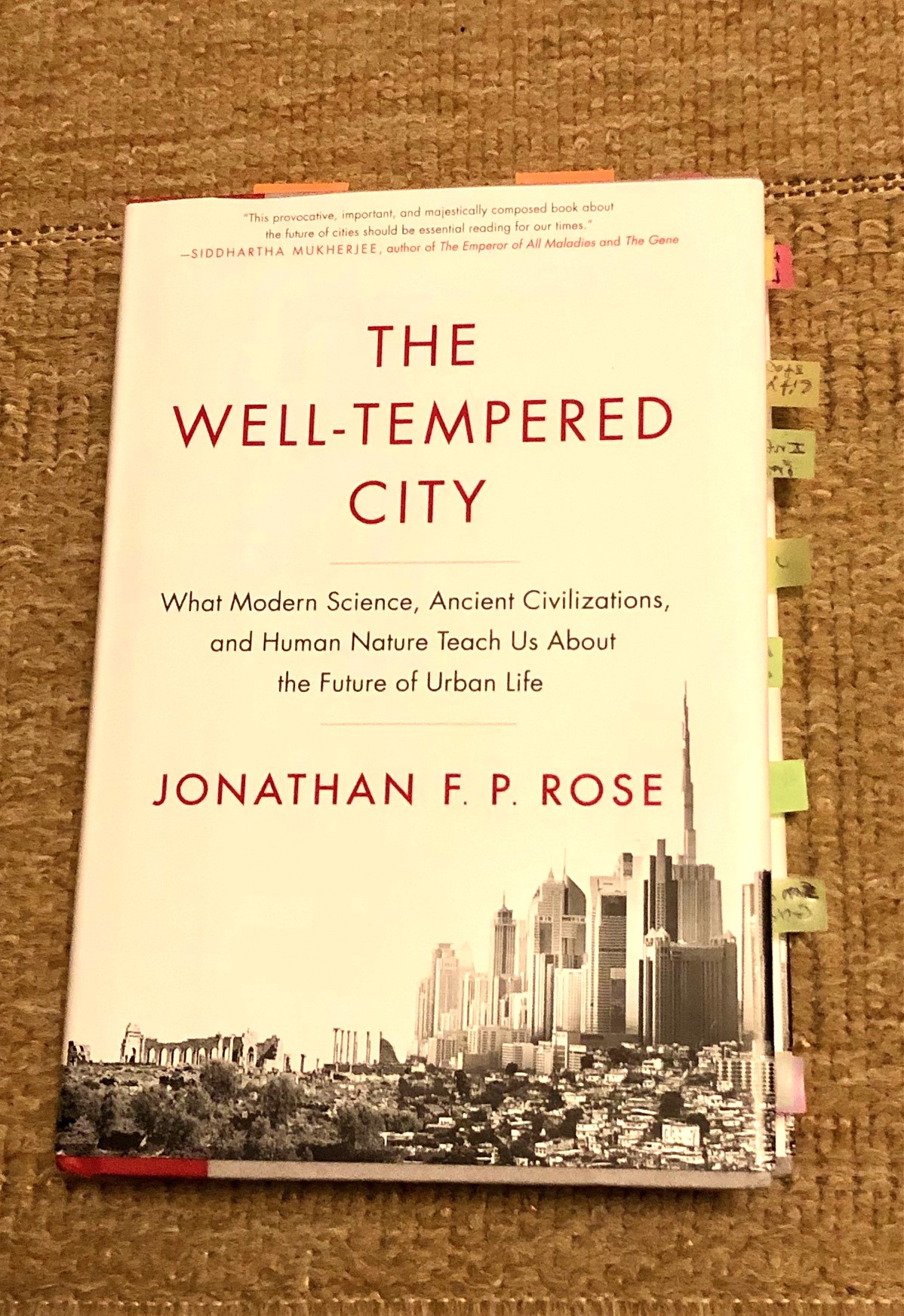
The Well-Tempered City: What Modern Science, Ancient Civilizations, and Human Nature Teach Us About the Future of Urban Life By Jonathan F.P. Rose, Printed 2016
Book Review: The Well-Tempered City: What Modern Science, Ancient Civilizations, and Human Nature Teach Us About the Future of Urban Life by Jonathan F.P. Rose
This book starts with an introduction into what we can learn about ancient civilizations and includes a concept called meh, loosely translated as “an activating energy and the source of rules that guided the spiritual, social and moral basis of [what was] the Ubaid culture” allowing it to become the first society to develop a framework of integrative systems that we now call Urbanism.
I smiled every time I read the word meh, because I have a friend who’s a one-word guy most of the time and that word is “Meh.” Intonation of the word could imply that a proposed idea is good enough that he is willing to do it (i.e. go to a specific restaurant or movie.) He is neither excited nor unexcited about the idea. If you ask him how something was, and he says “Meh.” that usually means it could have been better. If you are fortunate enough to propose an idea that he really likes you are rewarded not with a “Meh.” but with a “Definitely.”
I feel that a lot of urban initiatives these days are met more with the kind of “meh” my friend prefers, a “wait-and-see” energy of approach then an “activating energy” for integrative social rules. Maybe it’s a bit of both. Anyone whose had more than a few rotations around the sun learns to approach things with cautious optimism.
Overall, a really good book that offered relative case studies to make each point. I learned so much! It felt like a college course wrapped in a book. I took a lot of notes and tabbed a lot of key sections that pertained to areas I was most interested in as you can tell from the book picture above.
Here are three things I learned about that really interested me:
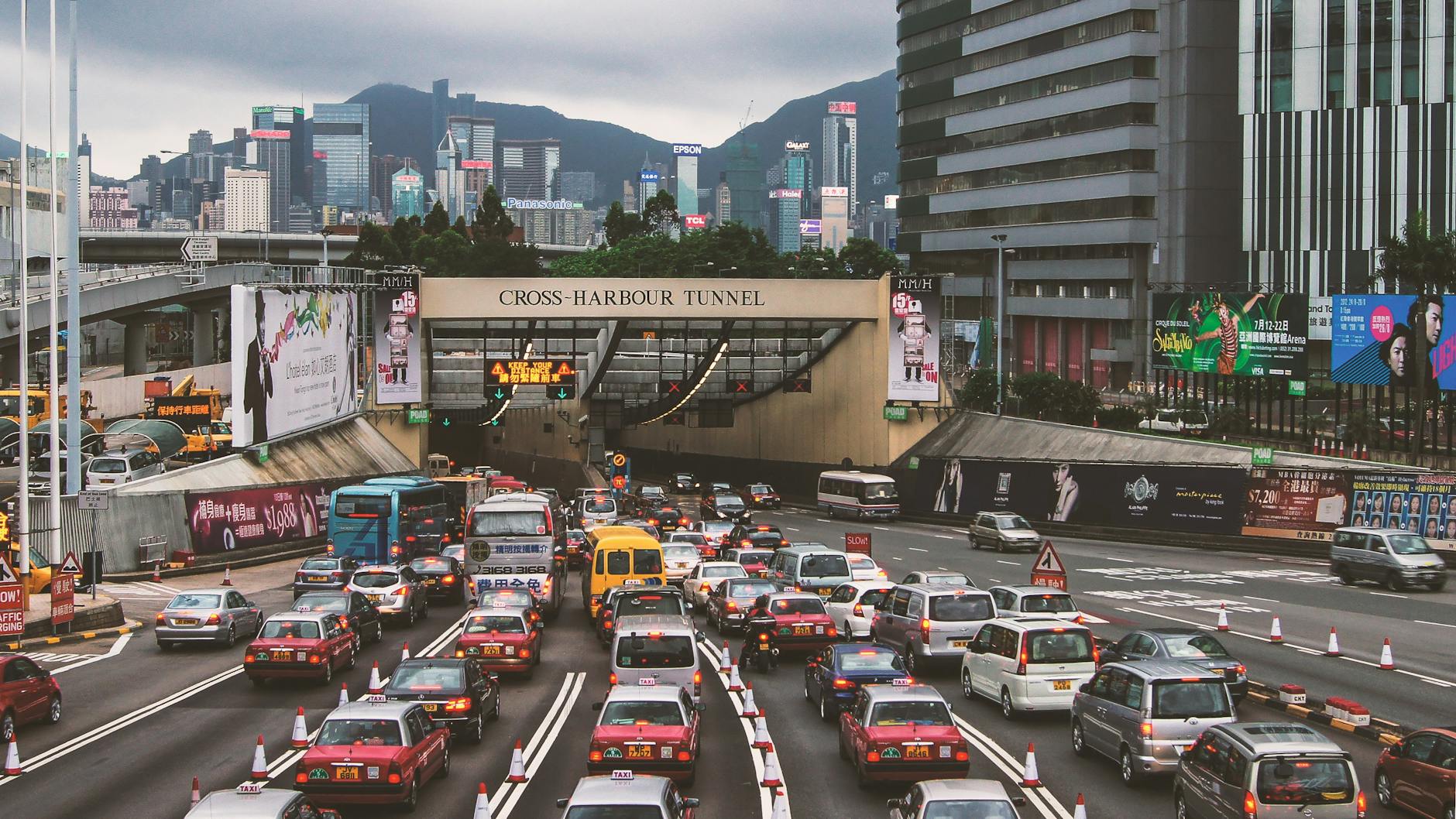
More lanes create less efficiency, not more due to the Braess Paradox and the Nash equilibrium theory.
The basis of this is that drivers have a self-serving interest to take the shortest route possible from point A to B until so many people take that route that it is no longer shorter for anyone.
This paradox is an excellent reason for why cities need to provide alternate means of transportation for city infrastructure. I’ve never been the kind of person interested in fancy job titles. It was always important to me to find a tolerable job with a tolerable commute. I spent the first half of my working life commuting to jobs that I could do by walking or taking a bus that rivaled or beat the commute time of a single passenger vehicles. Given the option, a safe walking route is always my preferred method of travel. One need not expend a lot of time or money working exercise and fresh air into their day when it’s imbedded into their daily routine. It also increases the opportunity for social interactions outside of school or work.
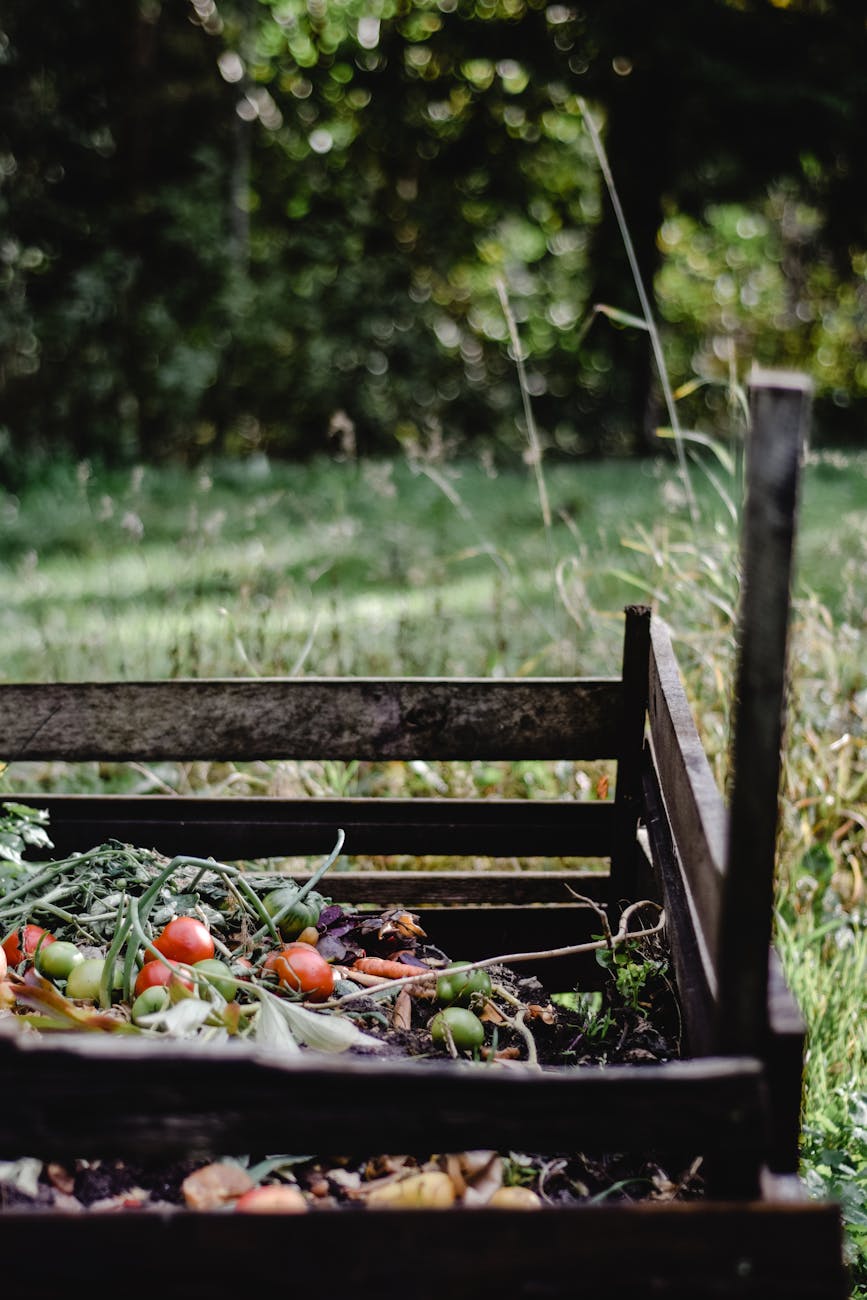
Eugene Odum and his brother Howard wrote the first Ecology book in 1953 describing ecosystems as communities of organic and inorganic elements. In this kind of closed circular system, the eventual entropy of one thing leads to the emergy or creation of newly stored information. “While entropy is always wearing down a system, emergy helps build it back up.”
Gardeners know this process well by gathering dead plant matter and wood chips to decompose, thereby releasing there nutrients as “newly stored information” in the form of compost to spread around young or existing plants.
Humans have learned to do this with paper products such as cardboard, but we need to do better at incentivizing more circulatory systems that benefit both humans and nature. My personal opinion is that one our biggest failings as modern societies is allowing plastics to be extracted and used so excessively for a lot of things that ultimately end up being cheap pieces of crap that can’t be recycled. The oil and plastics industries have powerful lobbying groups that allow our shared future resources to be exploited for meaningless crap. As a consumer, you speak with your purchasing power. In a market economy founded on supply and demand use your money as your voice wisely. If you don’t like something, make it unprofitable to support. It’s clear we can’t wait for governments to regulate appropriate solutions.
Richard Easterlin a USC Professor wrote “The Economics of Happiness” in 1974 which found that more money increased happiness in those previously in low income or poverty situations, but that more money does not increase happiness for the affluent.
I’ve witnessed this firsthand having grown up low income and later working in an exclusive member-only club where members were required to make no less than $80,000/year (in 1998) and be sponsored by two existing members of the club. I started the job in 1998 at the height of the dotcom bubble in Seattle, WA where tech was making new millionaires seemingly overnight. The “new money” were often young tech entrepreneurs launching their first IPOs and expecting everyone to know who they were and have people cater to their every whim. They were loud, obnoxious and often travel entourages. The “old money” were people who were more often born into wealth. They were polite and reserved. Time was a luxury. If they couldn’t be bothered to wait for your assistance they would come back later or have someone else take care of it on their behalf. They had no need to yell.
The club had hotel rooms, and I worked the front desk. The rooms often sold-out months in advance especially during Huskie football season. I was handing one of our long-time members his morning paper when a young techie came up expecting my full and immediate attention. I asked the long-time member if he needed anything else. The young guy huffed impatiently. I gave him a sharp look and said, “You will wait your turn.” The older guy chuckled, tucked his paper under his arm and told me to have a nice day as he walked away. The young guy didn’t even last a year at the club. The dotcom bubble burst not long after. Nearly every new member that year was purged from the member roles before New Year’s. The young guy had no idea he’d rudely interrupted one of the richest men in the world and one of our longest-standing members.
I’ve had the opportunity to ask multiple people with famous names; “What bothers you most about being rich and famous?” They’ve all said in some variation that it’s hard to trust people. They said that everyone wants or expects something from you all the time. You can go anywhere in the world, but you can’t trust that anyone genuinely cares about you as a person. It seems reasonable to assume then that what you gain in monetary significance can cost you in a kind of spiritual deficit (i.e. honest connections with other people.) Some people aren’t bothered by the tradeoff, but it would bother me.
Final Thoughts:
I definitely recommend this book! There’s really so much to it that what I’ve provided here is only a small sampling. If you’ve read this book, I would love to hear your thoughts on it!




 The Nature-led Life