Focus on What You DO Want

Photo by Raine Nectar on Pexels.com

When I was fourteen, I started volunteering at the Spokane Humane Society animal shelter in the 1980s. It took me two early morning buses and a one mile walk from the last bus stop to get there. On my first day I was to start helping out in the puppy room as all new volunteers did. At one point I was asked to get a bucket and a mop from the second door down the hall on the left. Somehow in that short walk I forgot which door to go into though, the first or the second? I went in the first door.

It was the incinerator room. In the center of the room was a pile of dogs and cats. They looked like they were sleeping. I wanted to run out of the building crying and never look back, but my feet wouldn’t let me. When my feet finally did move, they took me down the hall to the next door to grab the bucket and the mop. My only thought being, “If I run away now, I can’t help the animals that are still living.”

My family struggled with a lot of things. My city struggled with a lot of things and still does to this day. Back then, if you didn’t like it, well then, “Suck it up, Buttercup.” or “Welcome to Spokane, Sugarplum.” We felt few people were as tough as us, except maybe someone from Detroit or DC. I’d developed a high tolerance for what I was willing to put up with in life, but I wasn’t willing to accept the death of so many animals. “What are you going to do about it, little girl?” The antagonistic red-neck voice in my head sneered. “I’m going to lower the body count.” I thought matter-of-factly.

I went back to the puppy room determined to learn how to make a difference. When you grow up in a tough environment you learn to think on your feet real fast. If you can’t be stronger, be faster, and if you can’t be faster, be smarter! I quickly learned the ins and outs of the shelter’s operations. During that whole summer I worked 7 days a week from 7am to 7pm same as the shelter’s open hours. I was dependable and consistent. No one looked at me and saw a fourteen-year-old girl or a half-slack volunteer. I earned an equal amount of respect and responsibility as the people that work there. I just didn’t get paid for it.
Photo by Tima Miroshnichenko on Pexels.com

I’ve always been pretty good at reading people. It’s a survival skill, but you can only learn so much by looking at someone. I started asking the people what they were looking for in a dog or cat. Do they work a lot? Do they have a house or live in an apartment? The more questions I asked, the more I was able to determine which animals at the shelter would fit the person’s personality and living conditions. I spent a lot of time with these animals. I knew their personalities, their strengths, and their weaknesses. I taught dogs to be potty-trained. I trimmed excess hair away from their eyes so they could use their “puppy eyes” to their full advantage. I taught them how to “shake hands”, “bow” or put their paw over their nose when I asked, “Who farted?” Was it a little gimmicky? Yeah, but everybody wanted a dog like Benji or Lassie at the time, not a Cujo.

For the cats, I kept them clean and immediately quarantined any with the slightest hint of upper respiratory infection. The cats were housed in one room free to roam and the infection is highly contagious. If the room full of cats got the infection, the whole room was put down. We had neither the money nor the manpower to treat them, despite it being as treatable as the common cold in humans.

I drafted out “Adopter profiles” on a yellow legal pad and gave it to the Shelter Director. I gave her additional notes on what I’d learned about what people wanted and how to help the animals meet those needs so that no one left the shelter without an animal. Summer was quickly coming to an end and so was my volunteer time. I couldn’t do both school and volunteer work. As a student with dyslexia who never received support or special allowances, I struggled with schoolwork, low grades, and low self-esteem. At the shelter, I never felt dumb, and I knew what I was doing mattered. The Shelter Director was genuinely grateful for my contribution, and I remember her and the other people I worked with fondly. Of all the animals I’d personally helped get adopted out only one was returned and I still found a home for her before her time ran out. They also hadn’t had to euthanize the entire cat room since my intervention. I’d dramatically reduced the body count. I wish I could have saved them all, but — “I didn’t do nothing.”  I did something!

Years later I’d be living here in Western Washington, married, owning a home, and taking advantage of a free dog training class with my newly adopted dog at the Bellevue Humane Society. They had us fill out a questionnaire about our living situation and lifestyle and it made me think of those “Adopter profiles” I’d made so long ago.

During the dog training class the trainer talked about positive reinforcement. No more shoving a dog’s nose in poop to let them know they’d done wrong. I’d never subscribed to abusive training tactics, but I didn’t know there was a name for the opposite of it. You know how sometimes you feel a certain way or have an idea about something, but you don’t have a name for it? It’s really satisfying when you do learn the feeling or the concept has a name. Positive reinforcement, is something I believe in.


The trainer said something really meaningful that has stayed with me:

Focus on the behaviors you want; not the ones you don’t want.

When you think about it, it’s not just about dog training, but parenting, negotiating with difficult people and our attempts to realize own goals.

I’ve internalized the concept even farther:

Focus on what you want; not on what you don’t want.


How can you change what’s bothering you if you don’t know what you want in life? How can you realize a goal if you don’t know what the goal? I think of goal setting as a mountain path. If you’re working through a complex problem, you often need to start with smaller steps to reach the bigger ones. Sometimes you’ll have to step off the path to gather resources, mentors and/or acolytes but always keep the path and the goal within your sight.

We’ve come a long way when it comes to animal welfare in the United States. We’ve strengthened animal abuse laws, we’ve made it culturally unacceptable to abuse or neglect animals, and we’ve reduced the number of euthanasia in animal shelters. In 2019, the U.S. pet care industry was worth $95.7 Billion dollars! * I don’t think that’s an entirely good thing by itself, but it does demonstrate a cultural shift in our behaviors and beliefs about animal care. Other countries are also making progress in both human and animal welfare, it certainly isn’t limited to just one country!

When it comes to improving the future of humanity and the planet itself, we can’t wait decades to shape holistic climate change policies. We need to find our own paths up the mountain. What are we as individuals and societies willing to consider acceptable in the future? I believe we’re at the forefront of a new zeitgeist of environmental consciousness. For generations the science fiction genre of apocalypse scenarios  has been popular and has tried to warn us of what “could be.” None of us actually want to live through an apocalypse though! These stories remind us that humanity has always struggled and that we as individuals have always had to fight for what we believe in one way or the other. That’s what makes a hero. Stop waiting for someone else to be the hero. It’s you.

What should the narrative about the future of earth and humanity look like?

If you don’t want to live through an apocalypse, then what kind of future do you want?

How do we focus on the behaviors we want to see in ourselves and others? What kind of civilizations do we want to live in?

Please think about these questions. I would love to see some answers in the comments, but I understand if you’re the kind of person that prefer to do “quiet work.” I prefer to do quiet work, but I’m frustrated by what I perceive to be a lack of mentors. We see stories in the media everyday about what’s wrong and “worst case scenarios”, but where are the stories about how to change these things? I’m concerned that our collective fears and feelings of being overwhelmed could turn into acceptance and apathy of a self-fulfilling prophecy.

I refuse to accept the deaths of millions of lives on events that haven’t happened yet.
Photo by Nandhu Kumar on Pexels.com

Footnote: * 55 Pet Industry Statistics: 2020/2021 Industry Growth, Market Data & Forecasts | CompareCamp.com

Earth Day 2022: The Earth Needs You, Yes, You!

Happy Earth Day, Nature-Led Friends!

One afternoon during the early days of the pandemic my spouse and I stumbled upon the same opinion article. The title of it doesn’t really matter anymore. What matters is how it made us feel. We were angry, frustrated, and sad. This seemingly well-to-do white guy in his 60’s (a Baby Boomer) was just going to give up on the fight against climate change. His opinion was that the issue of climate change was so great and so overwhelming he was just going to buy a nice house in a rural climate haven and take care of himself until he died. Basically, he was going to give up caring about anything or anyone else, but himself. Give up? Give up!?!?!

You can’t give up! First, We all contributed to where things are now both actively and passively. Isn’t it nice for him that he has the luxury to throw up his hands and hide somewhere? “Oh well, this sucks, I’m just not going to deal with it.” Come here, Mister, so I can give you an angry Greta Thunberg stare! Secondly, a lack of empathy for others is also lack of empathy for yourself. The sword cuts both. People who are invested in other people’s well-being live longer, healthier, and happier lives.

You don’t retire from a job, take your box of personal items home, and then lay down and die. At least, most people don’t. You start a new chapter in your life. Try new hobbies, learn new things, reconnect with friends and family and (hopefully) be grateful that you could afford to retire. At least, That’s what my older friends usually say. Many of the most self-sufficient people among us still have to rely on other people for something in their lives. (Examples include medical care, special maintenance or materials, or other things outside of their skillset.)

In my opinion, we owe it to all generations to look out for each other. Humans are social creatures, even if you consider yourself anti-social, you probably still need someone for something.


Photo by Pixabay on Pexels.com

Twelve years ago on Earth day I gave birth to a baby boy. Never has my desire to do right by both the planet and the next generation been more perfectly aligned. In my teens and 20’s I couldn’t have imagined being someone’s mother. I neither liked nor disliked kids and even though I worked minimum wage jobs and struggled to pay rent, I always cast my vote for the greater good. For infrastructure projects, libraries, schools, senior services, etc. It wasn’t important to me that I be able to reap the benefits personally. I’m only as strong and healthy as the community around me.

Suicidal ideation, apathy and loneliness spread like diseases. Right now, they’re public emergencies in many countries, exacerbated by the pandemic. I too get overwhelmed sometimes. I’ve been through dark times. I have to remain vigilant that little puddles of depression don’t become a flood. I need to be here for myself and others.

I have a theory that women might tend to live longer because we allow ourselves five-minute pity parties in the bathroom, then pull ourselves together and get back in the fight. I fight for you. I fight for my family, my communities, and the planet that we all call home. My sister works 16-18 hour shifts in a pediatric unit with patients who’ve failed at committing suicide. Let that sink in.

Our children are overwhelmed, scared, angry, sad, and confused. Kids know the world is messed. Some of them are standing up to do something about it, while others are lost in their own grief. They need us, we need them, and we need each other.

I’m here for you.

You might be physically alone, but you’re not emotionally alone.

We are connected.

I would grieve the loss of you.

 I don’t have all the answers. I can’t fix all the problems in the world, but I’m here. I do the best I can and I’m asking you to do your best too. Don’t exist, live!

I don’t like being labeled, but you can call me friend.

Am I a Climate Activist? I suppose, but I prefer the label “Advocate” more because I’m not inclined to go marching about, yelling or busting stuff up. “Activism” sounds very tiring. I need a cup of caffeine at the mere mention of the word. At least “Hacktivism” implies a chair and computer…

I could argue semantics until the cows come home.  Then wax poetically for hours about, whose cows they really are?

I do agree with the Climate Ad Projects purpose and mission. We do need A Billion Climate Activists (or whatever you want to call yourself) to make a difference.

Climate Ad Project – We need a billion climate activists


What I’m Currently Reading:

How to Prepare for Climate Change: A Practical Guide to Surviving the Chaos By David Pogue

It’s a really good start for how to make your life and home more climate resilient. You still need to do your own homework though. Ironically, one of the places he mentioned for being a climate haven is Spokane, WA, my hometown. Clearly, he’s never been there before. It has wildfires, occasional mini-dust bowl storms, icestorms and every other type of storm short of classified tornadoes and hurricanes.

Recently Watched:

Kiss The Ground – a documentary narrated by Woody Harrelson

It promotes Agroforestry for sequestering carbon in the soil. There was a restoration project in China that was particularly impressive, some 14,000 hectares restored!


Big Stepping stone goals for the year:

– Cancel my Chase Credit Card and let them know why I’m canceling. They’re one of the biggest financiers of fossil fuels. Open a new credit card that promotes and invests in aligned goals. (This was the most helpful article I found: https://theimpactinvestor.com/green-creditcards)

-Create a local sustainability business

-Research and possibly invest in solar panels this year

-Find other ways to make our home more climate resilient

-Buy an electrical vehicle this year? (Contingent on the price and financing of solar panel project and vehicle availability.)

Smaller Stepping Stone goals for the year:

– Maintain my current level of fitness

– Try at least five new cooking recipes

-Experiment with natural dye making (like from beets, dandelions, etc.)

Have you made any Community or Sustainability related goals this year?

If so, what are they?

Thank you for reading. Thank you for your time.

Nature-Led Black Americans

February is Black History Month here in the United States, so I’m excited to introduce to you a handful of Black American who exemplify what it means to be “Nature-Led” and by doing so strengthen the communities in which they live.

Photo by Pixabay on Pexels.com

Alexis Nikole Nelson, the Black Forager

I first saw one of her TikTok videos on Facebook and immediately fell in love. Who is this? She has so much energy and she’s talking about foraging! Wow! Foraging is something no one talks about in modern American society—well, until now. I l learned a little foraging when I was younger but I never thought much about it. It wasn’t something we talked about. If you had asked, “What are you doing?” I would have said “picking berries” or “picking greens.” “Foraging” sounds like something herbivores do when talking about animals in a Science class.

Now here we are in the post-computer revolution and a young Black woman is excited about foraging and sharing her knowledge with others in a way they can relate too. It gives me hope for the future. We’re all going to need this knowledge if things continue as they are with our current trajectory towards climate change. Octavia Butler, Sci-Fi Author of Parable of the Sower & Parable of the Talents, would be proud of Alexis Nikole Nelson.

I encourage you to follow Alexis Nikole Nelson on TikTok, Facebook or whatever your preferred social media is. To learn more about her read this great interview found on NPR:

Meet Alexis Nikole Nelson, The Wildly Popular ‘Black Forager’ : Code Switch : NPR

Photo by Craig Adderley on Pexels.com

Ron Finley, aka Gangsta Gardener

I first heard about Ron Finley’s garden in South-Central Los Angles years ago as part of tv news segment. He started his garden revolution in 2010. Having stayed in the community he grew up in he fought and won the opportunity to garden in the parking strips throughout his neighborhood. A neighborhood that has for years been a food dessert/food prison for people of color. This is how it starts, this is how you change things for the better in your community. You can’t wait for City officials or someone else to do it, you have to be willing to step up and take action yourself. If something is important, you make time for it.

Ron Finley: A guerrilla gardener in South Central LA | TED Talk

The Ron Finley Project

Photo by Svetlana Obysova on Pexels.com

Aaron Shepard, Robotics Engineer, Scuba Diver, & NASA intern

I literally just discovered Aaron Shepard while watching a short Brut video on Facebook about how animal responses perceived as being “cute” are actually responses to stress and a terrifying ordeal for the animal. There’s nothing “cute” about terrorizing any living lifeform for amusement.

Aaron Shepard on Twitter: “Repeat after me people : “I will not touch ocean animals unnecessarily for social media clout” Thank you… https://t.co/wKsorJi983″ / Twitter


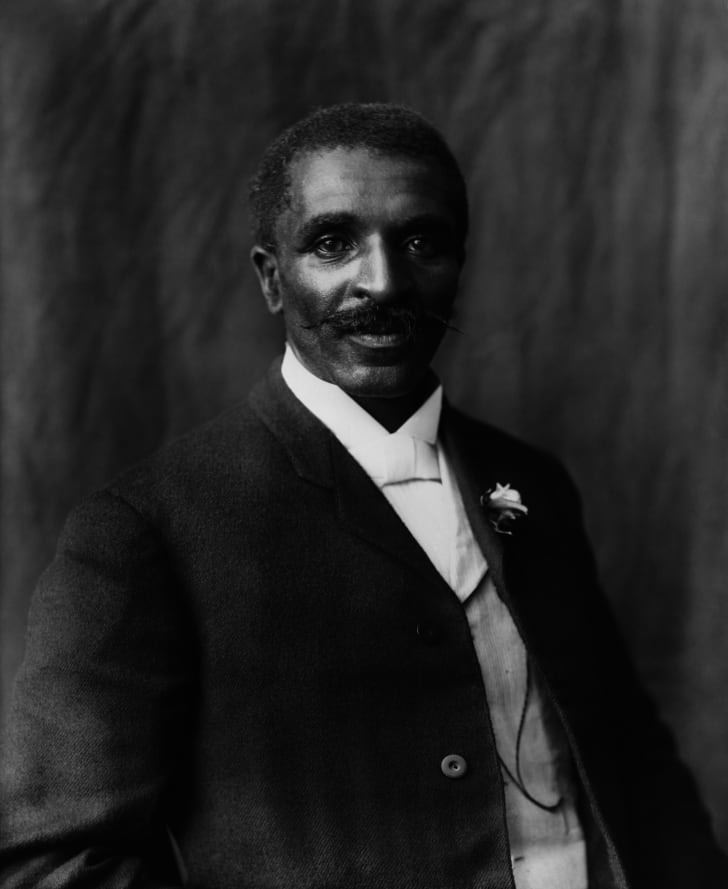
Portrait of John Washington Carver, Tuskegee Institiute

John Washington Carver, Agricultural Scientist

Finally, when it comes to historical contributions, the work of John Washington Carver (c 1864- Jan 5th, 1943) simply CANNOT be overlooked by a site such as this. He was born a slave, persevered through multiple hurdles to get himself college educated and became one of America’s most distinguished Scientists. He introduced us to the idea of crop rotations and compost to improve depleted soils. In tandem with helping the environment, he also worked to improve the lives of poor farmers by recommending highly nutritious rotation crops such as peanuts and sweet potatoes at times when the fields needed to rest from cotton production. He also provided recipes for his food recommendation through “Bulletins.”

History & Culture – George Washington Carver National Monument (U.S. National Park Service) (nps.gov)

Biography books on John Washington Carver are available at most U.S. libraries.


More to Explore:

Gardening while Black: How some are redefining relationship to land (usatoday.com)

7 Contributions of Black Farmers to Agriculture — Poughkeepsie Farm Project

In their own words. A booklist:

10 Outdoors Books by Black, Indigenous, POC Authors | Field Mag


My sincerest thanks goes out to any and all persons, living or dead, who endeavor to restore the health and well-being of their communities; be they human communities, animal communities, plant communities, soil communities or water communities. We are all part of a greater community, the sum of life itself on planet earth. We can choose to nurture that which is around us or we can destroy it with our indifference.