Hello Nature-led friends! Welcome to the beginning of June!
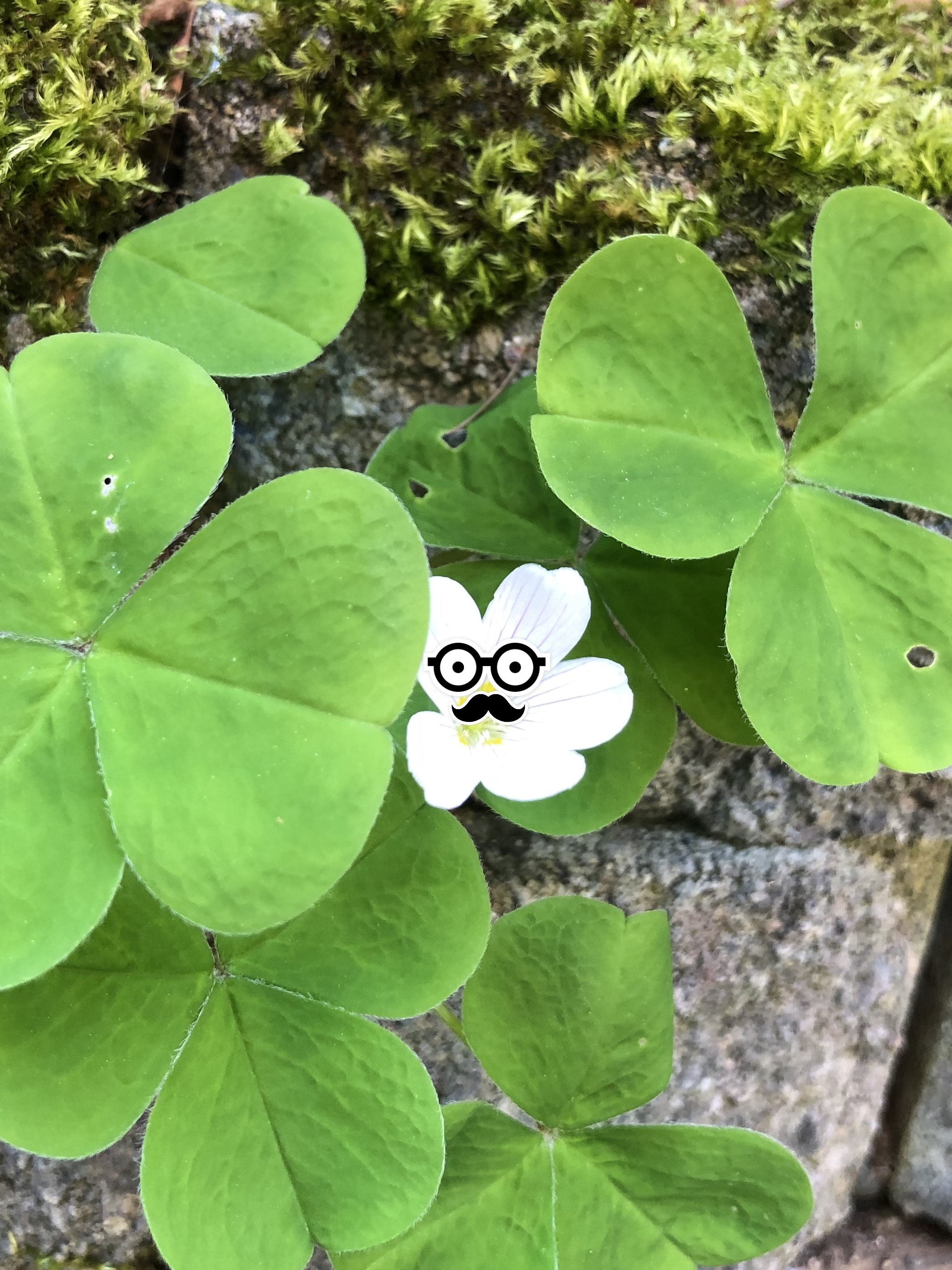
I recognize and appreciate that some of you struggled to find native plants in your area. I hope this endeavor was not too frustrating and that you came away with a new understanding and appreciation for the native plants in your area. I wanted to do this submission request because I feel like most people don’t give native plants much thought. I feel like the poor things are stuck in a 1990’s era high school romance-comedy where the smart nerdy friend is actually a hot babe once she takes off her glasses, gets plucked, and wears a dress. Me too Oxalis oregana, me too. Like any native plant, I’m only exotic when I’ve been shipped off elsewhere.
The other reason that I care about the native plants is that they’re part of a much larger ecosystem with specialist insects, other plants, and animals that depend on them. None of this mattered to the rich Colonialists who were determined to make English Gardens on every continent aside from Antarctica. Back when wealth was portrayed by the upkeep of exotic plants and large swaths of green lawns. We still live with that legacy today. It didn’t just disappear; a lot of behaviors carry on without thought because that’s the way things have been more or less for over 200 years now. The mailers I get from landscaping companies show perfectly coiffed bushes and low-cut strips of sod. They threaten to mow, prune, fertilize, and eradicate the unwanted for a fee. Driving into a neighborhood with a militant Homeowners Associations (HOA) with their cookie cutter houses and landscapes make me feel like I’m trapped in an adaption of The Stepford Wives by Ira Levin (with two movies by the same name.) I see the kids. I see how they hunger for the freedom at the edges of the play yard straining against the fence to reach into the wild spaces. Now it’s the native plants that have become exotic.
I had a wonderful History teacher in high school named Mr. Ayers. We would have a lot of funny banter between us. He showed me that history was not some boring dead thing, it lives all around us. One time before the start of class he asked with mock exasperation, “Why are you such a contrarian?” “I’m a woman.” I said. The whole class roared with laughter including Mr. Ayers. I didn’t set out to be rebel. I just am, by the nature of existing as a woman with strong opinions.
So, without further ado, let me share the wonderful collection of native plants across the world that many of us can appreciate thanks to our fellow community members who help this site grow! Thank you! Thank you! Thank you!
We’re starting with New Zealand, because I said so…
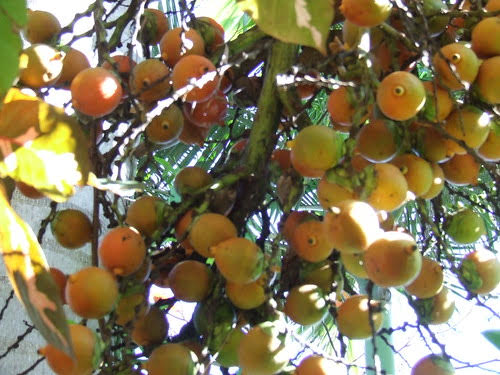
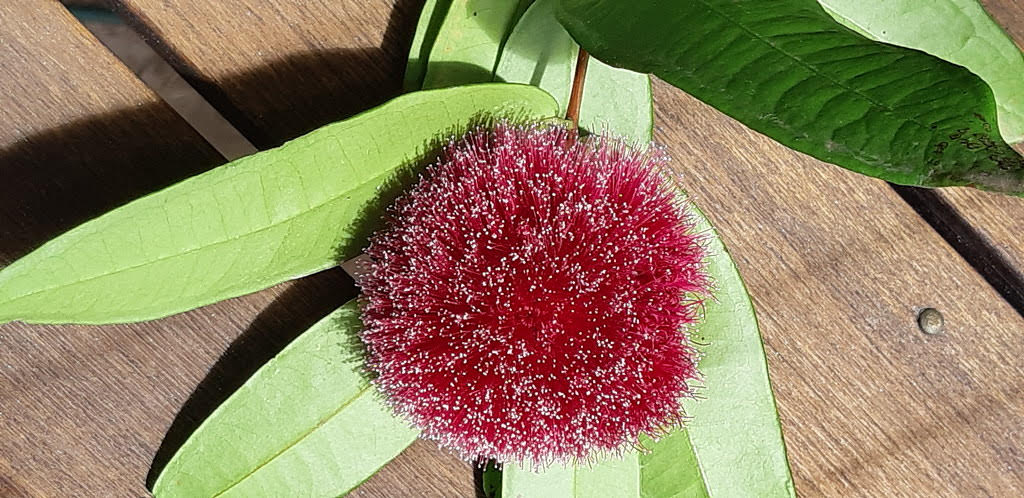
New Zealand
Europe – England
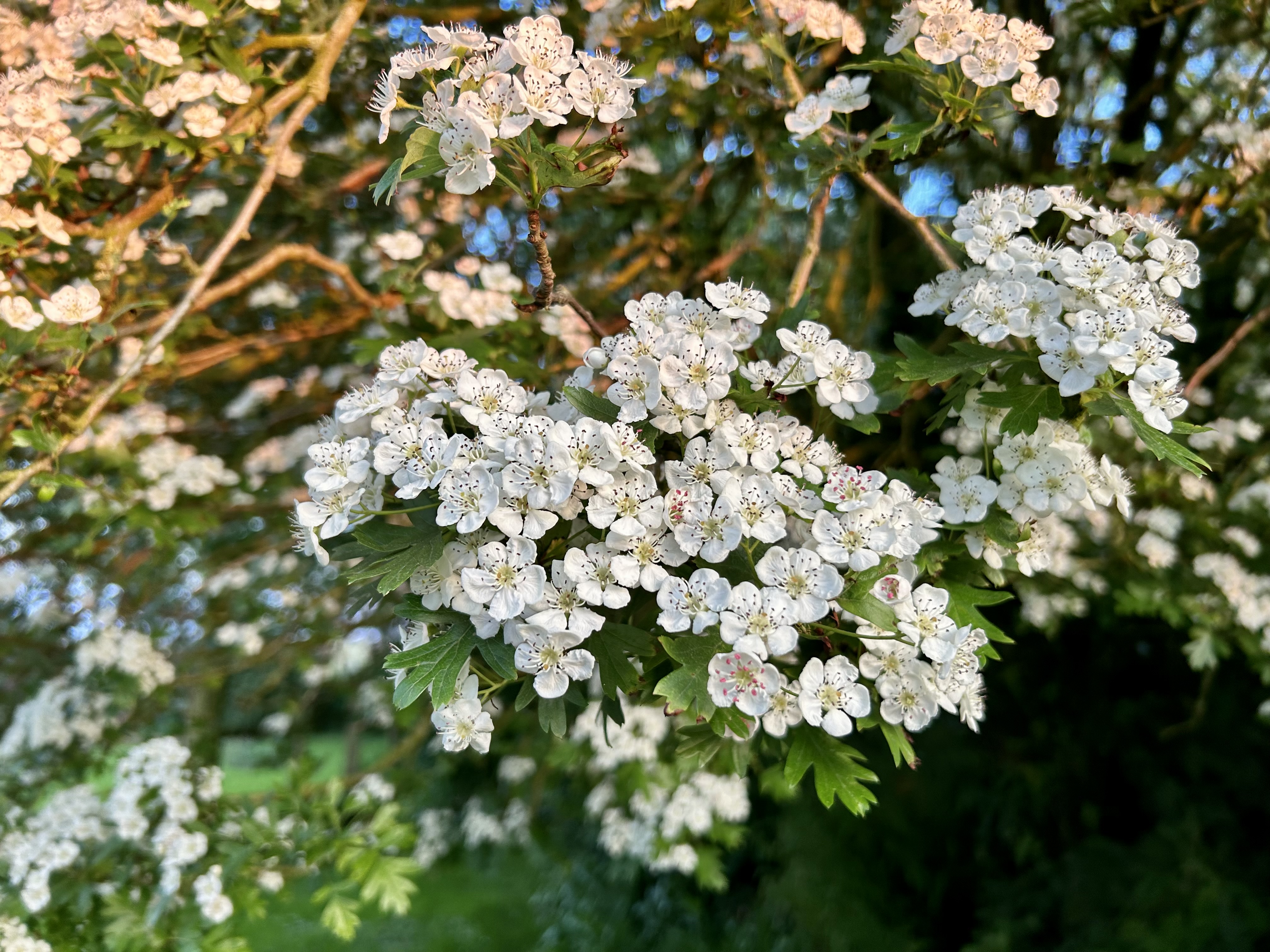
Common Hawthorn (Crataegus monogyna) By Ms Scarlet https://wonky-words.com/blog/
North America – USA
New York
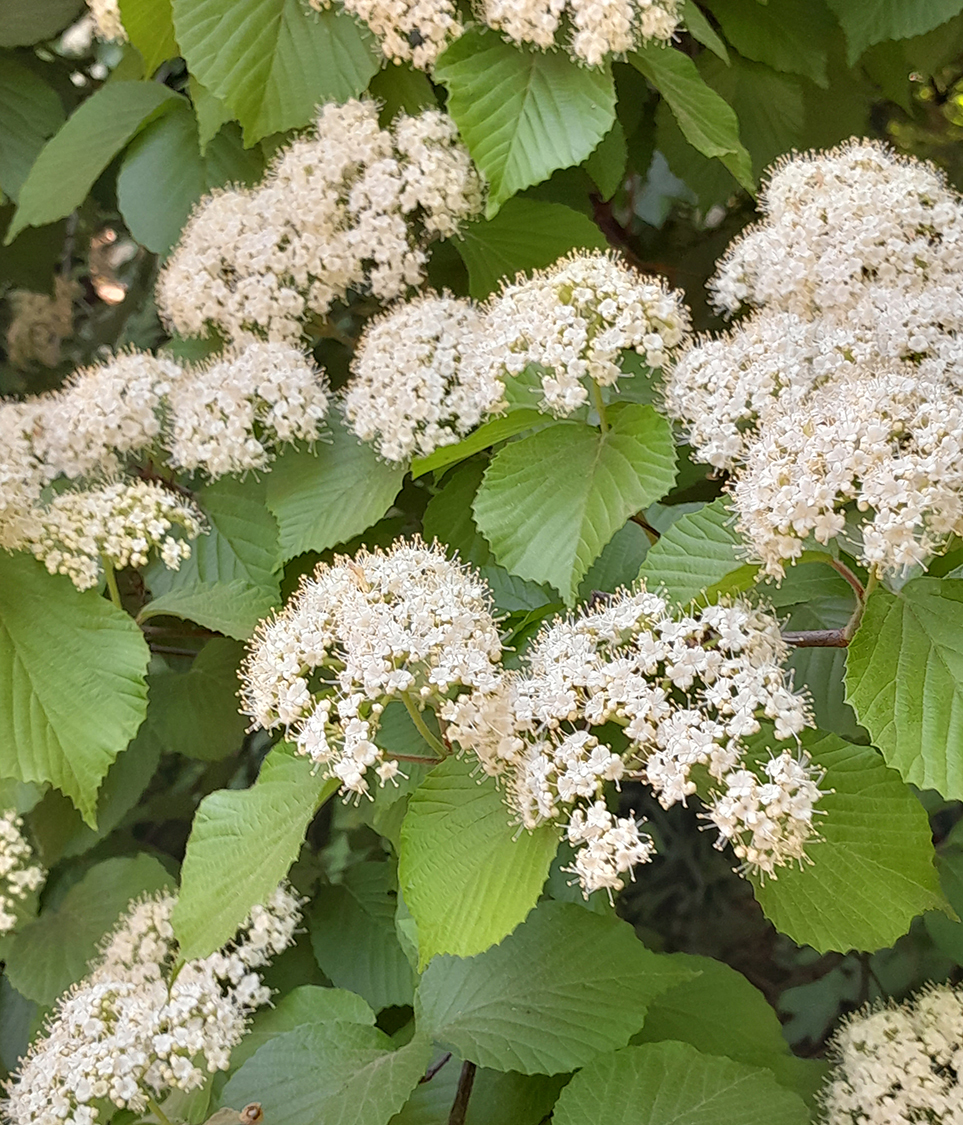
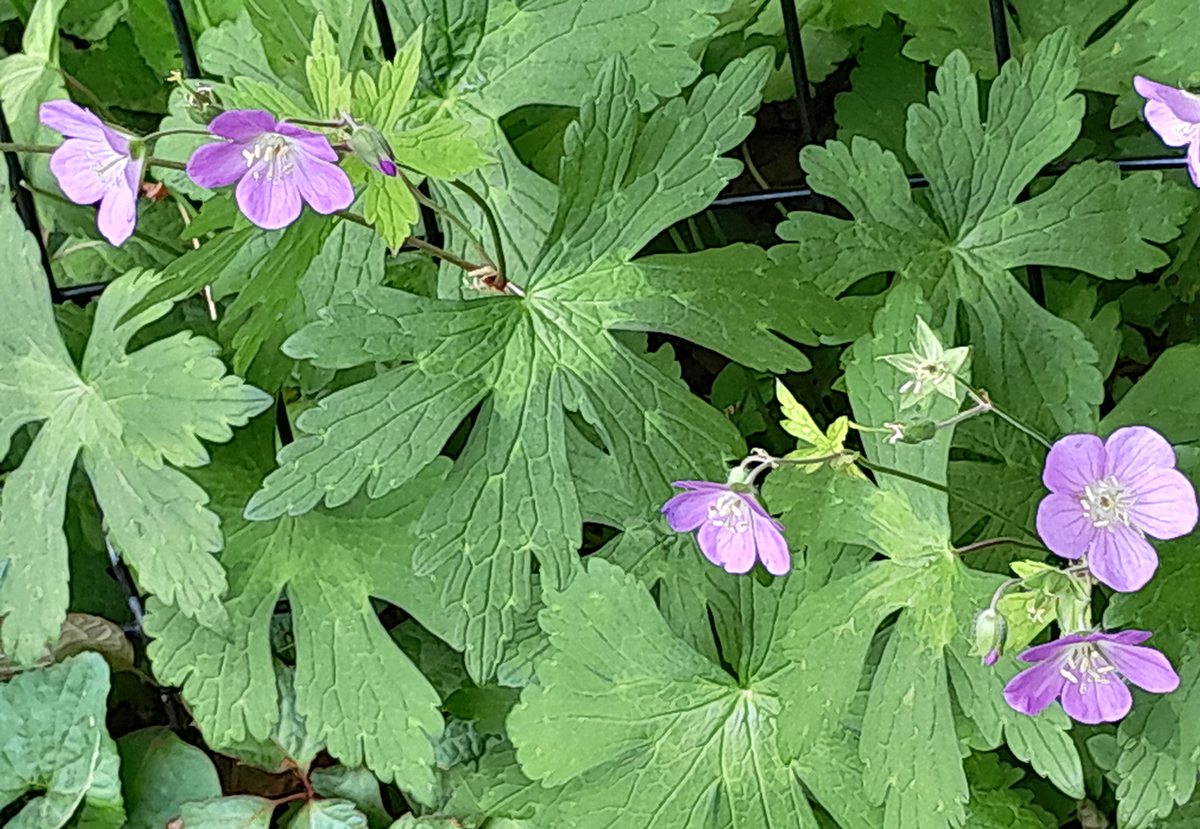
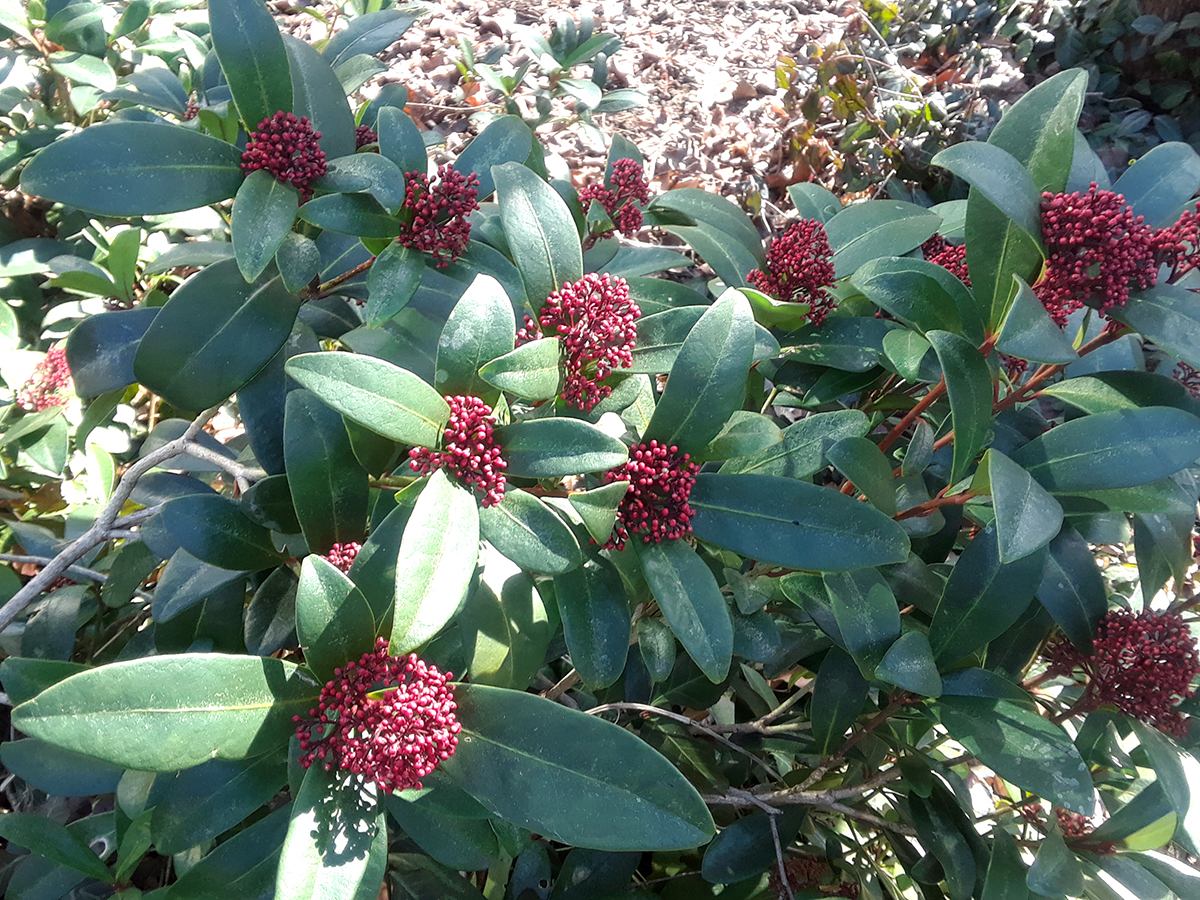
We’ll call this an honorable mention in the category of “Not native but plays well with others” I’m fairly confident this is a Japanese Skimmia (Skimmia Japonica). Milkweeds are herbaceous plants which means they have “non-woody stems” that largely die back in the winter. This plant has woody stems, flowers or berries on new grow and thick wide, non-serrated leaves. My first guess is always a rhododendron because there are so many varieties and it’s a common plant in North America especially where I live, but the growth habit of these flowers or berries leads me to my second guess, Japonica.
Pennsylvania
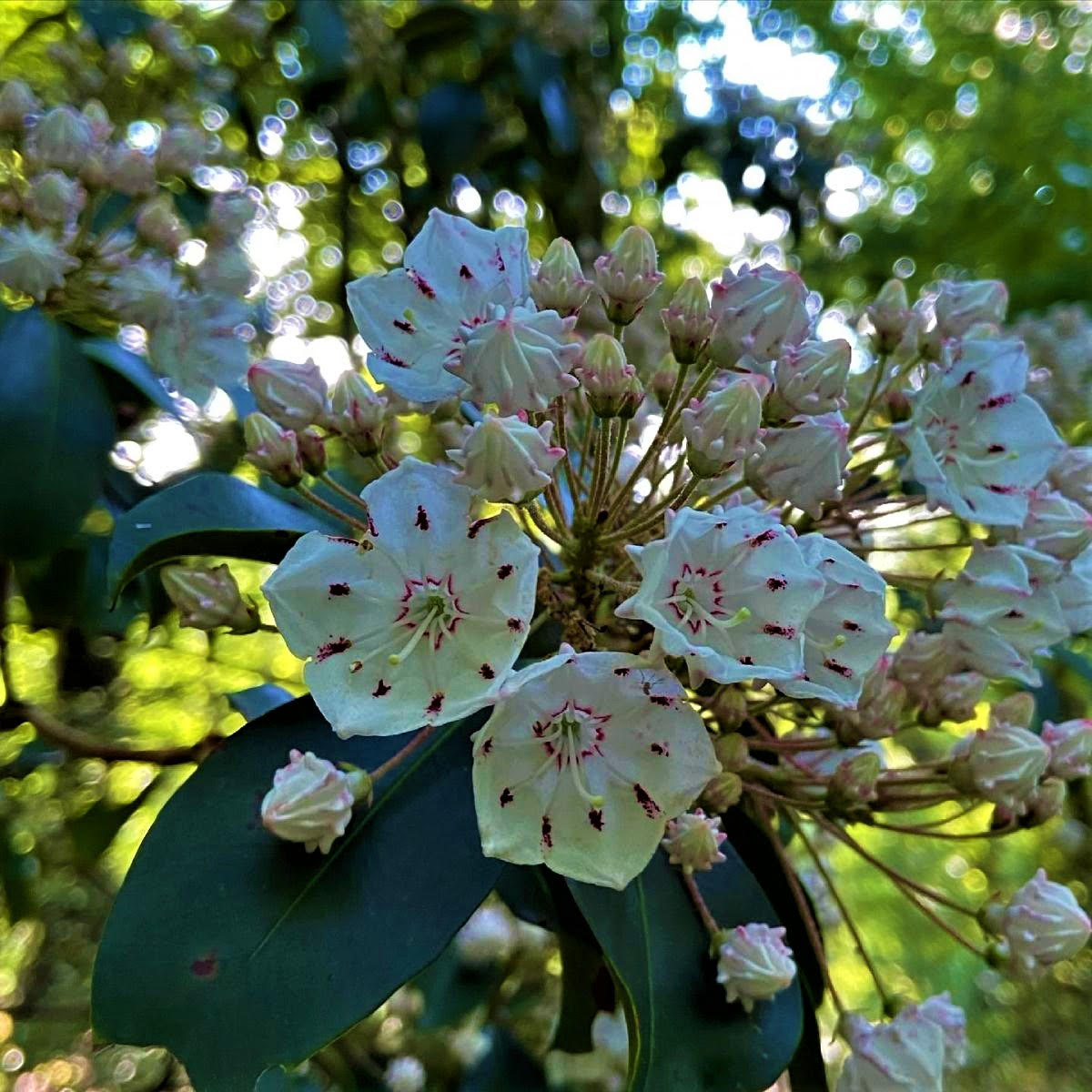
Mountain Laurel (Kalmia latifolia) By Mistress Maddie http://mistressmaddie.blogspot.com/
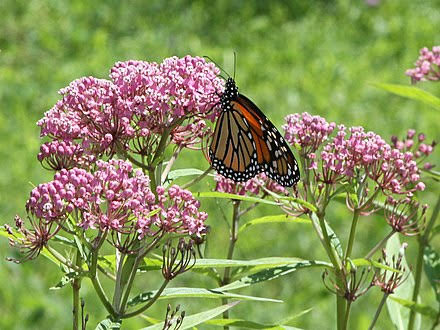
Swamp Milkweed (Asclepias incarnata) By Mistress Maddie http://mistressmaddie.blogspot.com/
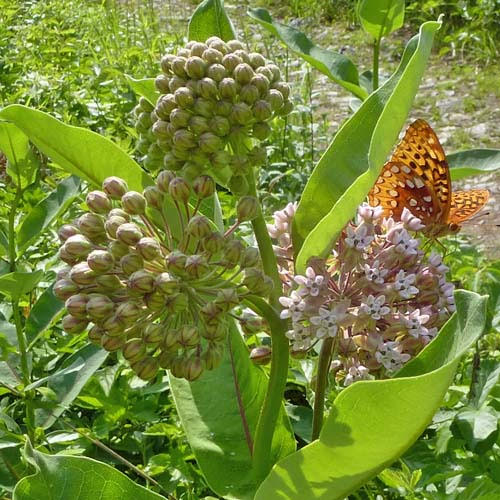
Common Milkweed (Asclepias syriaca) By Mistress Maddie http://mistressmaddie.blogspot.com/
Florida
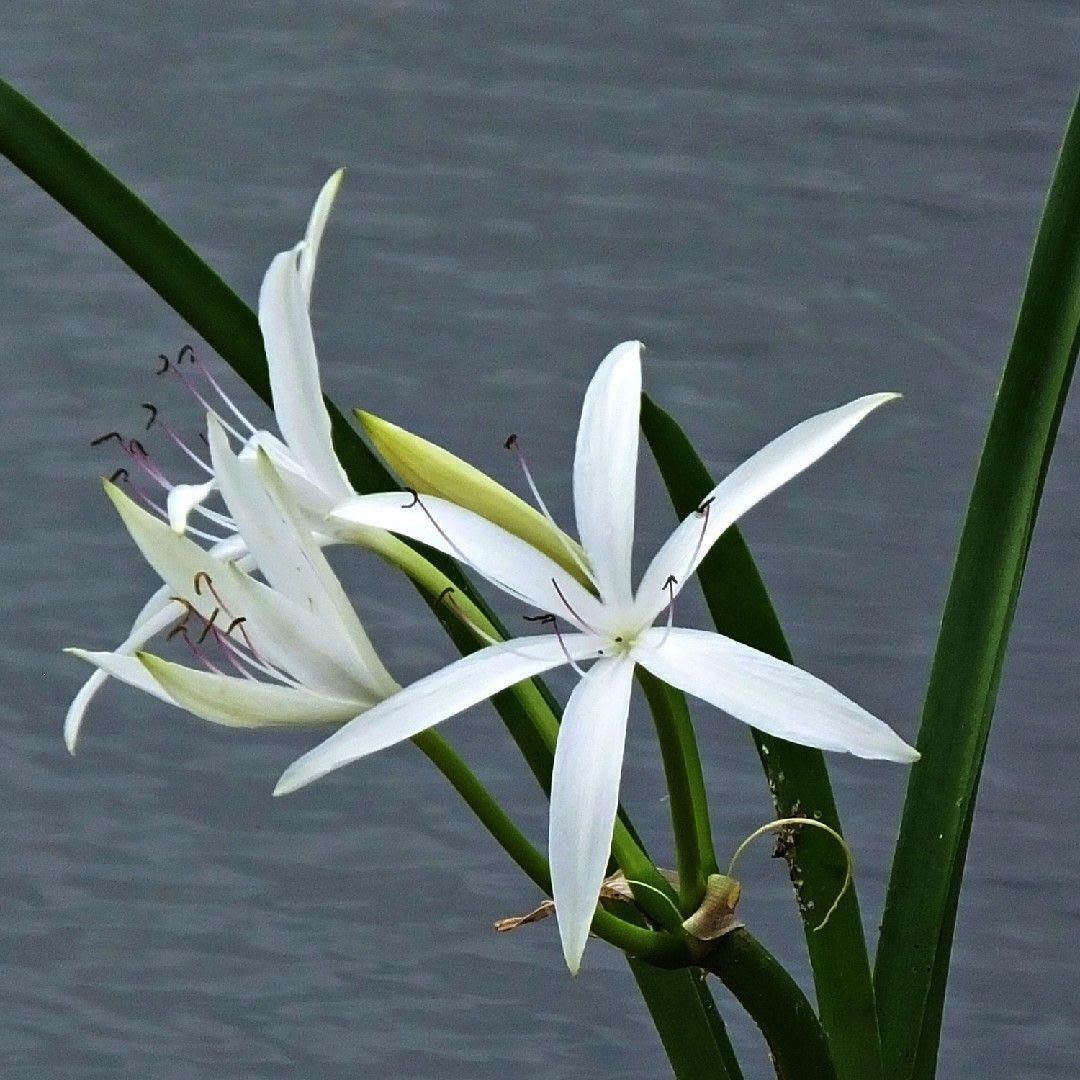
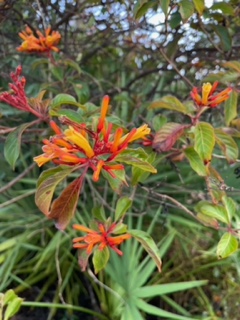
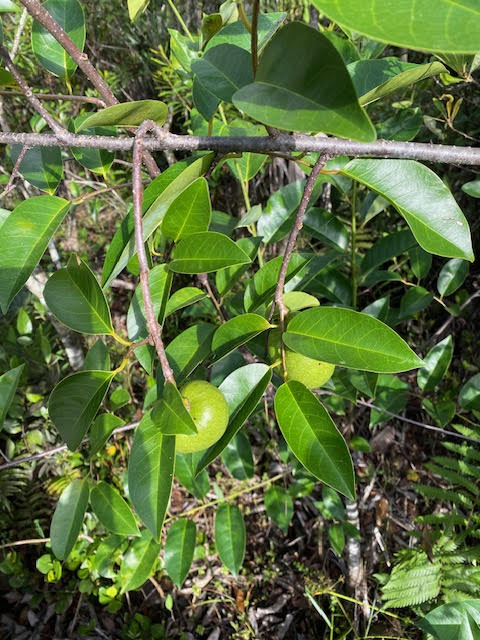
Here’s an interesting article about Pond apple which is a good source of food and nesting habitat for birds. http://wildsouthflorida.com/pond.apple.html
Colorado
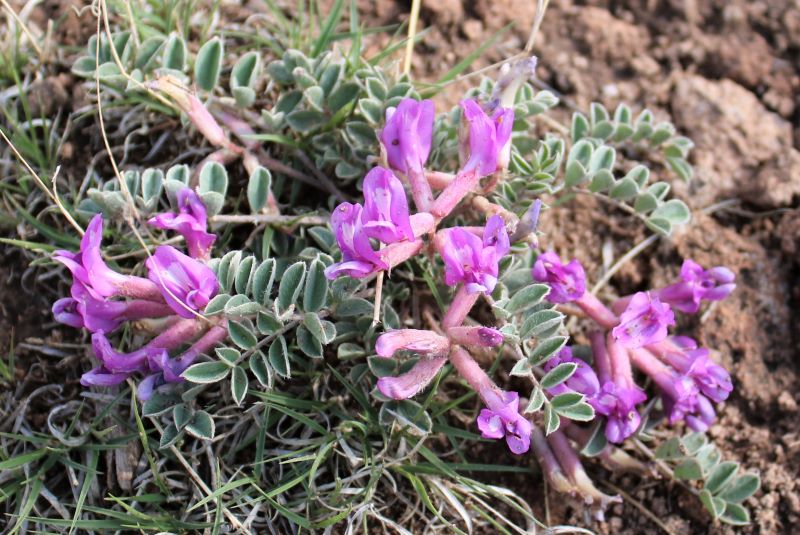
Photographed while hiking in Penitente Canyon (Colorado) on May 24, 2023. When I went to identify it, I was dismayed to learn that while it is native to Colorado, this Woolly Locoweed is the most widespread poisonous plant in the western U.S. Because it’s native, locoweed is not covered by the Colorado Noxious Weed Act.
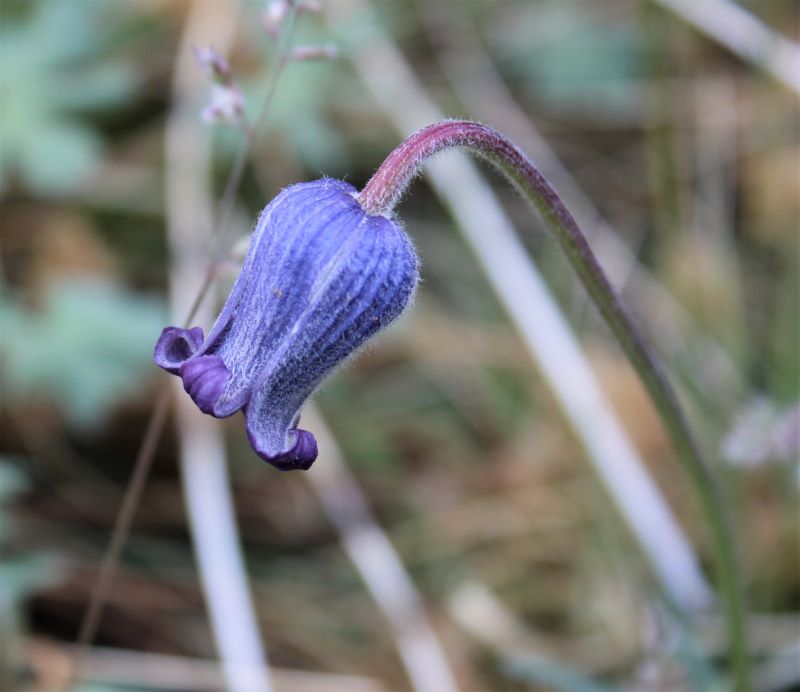
On the same hike, we came across this lovely native wildflower that’s a type of clematis. It’s known as “Sugarbowl.”
Thank you to everyone who contributed!
My apologies for the brevity of captions and any errors. I pulled a muscle in my shoulder and it really hurts. Several people sent multiple pictures, so I didn’t share them all, but I do make sure at least one picture from each person is posted.
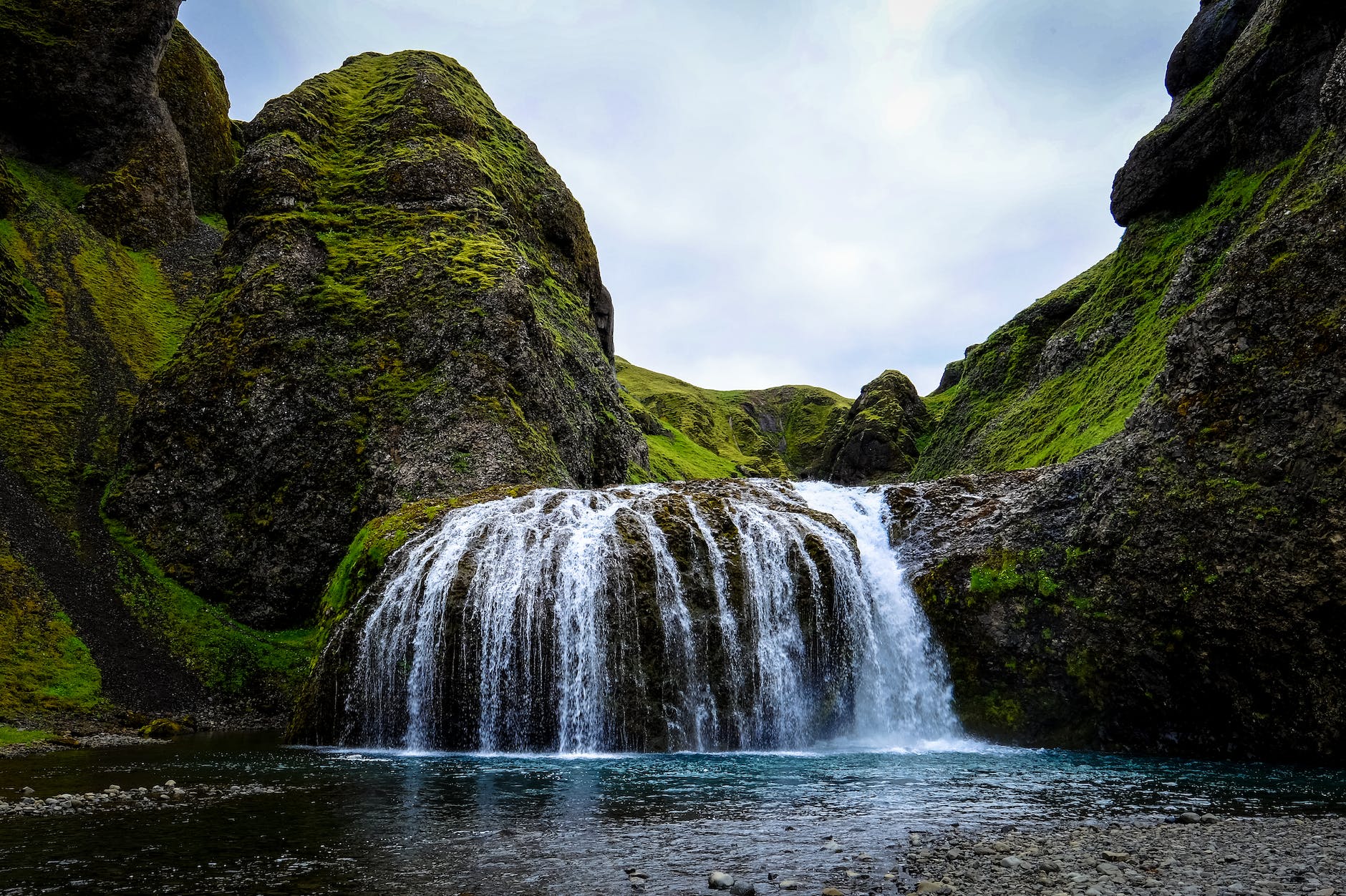
June Submissions – Water
Show me your bodies – of water that is! Ponds, lakes, rivers, streams, waterfalls, fountains being appreciated by wildlife, your favorite puddle or bog.
Due: June 30th
To be posted on July 1st.
The Fine Print: Photo Submissions Guidelines
Email to: natureledlife@gmail.com, Subject line: Photo Submission for [month] (Multiple months of photos in one email is fine.) Image: Attached as a .JPEG or .PNG file preferred. Captions each picture: Subject in the photo (if known), State/Providence & Country, Date (optional). Your name as you want it to appear, Your blog link (if you have one.)
Feel free to add any interesting notes about a picture. I love interesting stories behind things! Let me know if it’s just for ‘my eyes only’ or if I can share any part of it with your photo. Pictures must be your own or you have permission from the Photographer to share it. All copyrights belong to their respective owners. This is a free, fun, community site about nature. Non-commercial and ad free.
 The Nature-led Life
Melanie, this was a particularly enjoyable missive to receive. I loved all the wild flora but you were quite correct when you said, “Like any native plant, I’m only exotic when I’ve been shipped off elsewhere.” The same has been said of people, who are only “experts” when they are at least 50 miles from home. We too often fail to recognize the treasures that are under our noses–or, in the case of flowers, under our feet. Thanks for opening our eyes!
LikeLiked by 1 person
Thank you, Lisa, for both your comment and your contribution! I appreciate your support!
LikeLike
Sorry to shoot you down at the beginning!
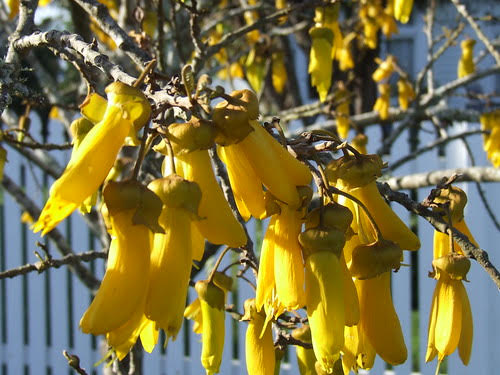
That gorgeous yellow flower that leads the parade is from Aotearoa/New Zealand and its Latin tag is Sophora tetraptera. Known throughout the country simply by its Maori name of Kowhai, which, in that language, means yellow.
I hail from that country and miss kowhai so much I sneaked it in as a native, even though I live in Australia (yeah, an introduced weed!) But the rest of my submissions are Aussie natives.
LikeLiked by 1 person
No problem, Dinah! We had a good conversation and since I’ve never been to New Zealand or Australia that one was easy to get past me. I’m keeping my eye on you and your shenanigans henceforth though! Hahaha
LikeLiked by 1 person
Thanks for identifying that plant! And I so agree about manicured lawns, and how they discourage free play. I can only imagine what the housing association would say if the children tried to play in the street and on everyone’s lawns and driveways like we often did as kids. It’s not a good way to live. (K)
LikeLiked by 1 person
I have a theory that one of the reasons these younger generations are more anxiety-ridden is that they were raised with a bit too much bubble wrap. In my experience they seek extra guidance and show less initiative because they worry about getting in trouble or “failing”. I try to provide safe opportunities to fail and learn without judgement or reprimand. I volunteer at my son’s school, less now that he’s older, but I like that the kids like asking me questions. We’ve let our lives get overengineered for the sake of efficiency.
LikeLiked by 1 person
I think that’s true. My daughters both say the younger hires where they work are exactly like you describe–afraid to think for themselves. They have to have their hand held for the simplest tasks, and are unable to translate general information to a task that isn’t exactly like one they’ve done before. I’m not sure what my parenting style was, but I wouldn’t have had the energy to micromanage my children’s lives.
LikeLiked by 1 person
Hi Melanie, I so appreciate the theme and photos! This is such a good way to build community and nature connection. Can’t wait for the next one!
LikeLiked by 1 person
Thak you, Mark. That’s always my primary goal to build community and connection with nature! I’m glad I must be doing something right. 🙂
LikeLiked by 1 person
So gorgeous plants and flowers photos grace to view , explanations are very inspiring 🌹🙏👍🏻😊
Thank you for sharing 🌹🙏♥️🌹
LikeLiked by 1 person
You’re welcome, Thattamma! Thank you for stopping by!
LikeLiked by 1 person
Thank you so much and greetings 🌹🙏♥️🌹
LikeLiked by 1 person
You’ve done it again, Melanie. Thank you for soliciting this beautiful collection of native plants. Gazing upon all these lovelies brought a smile. 🙂
LikeLiked by 1 person
Yay! Smiles are good! I look forward to what you all will offer with the topic of water!
LikeLiked by 1 person
I’m very excited about the water collection, Melanie!
LikeLiked by 1 person
Who doesn’t like water, right? 🙂
LikeLiked by 1 person
All brilliant submissions yet again and what a variety of color. I just knew Dinah was going to have quite a colorful and unusual assortment. I just adore that Puff pilly. And I suspect that the one Kerfe submitted might be in the milkweed family. The flowers and leaves seem very reminiscent of that in the milkweed family.
LikeLiked by 1 person
I’m certainly no expert when it comes to milkweed. Do you know of any milkweed varieties with woody stems?
LikeLike
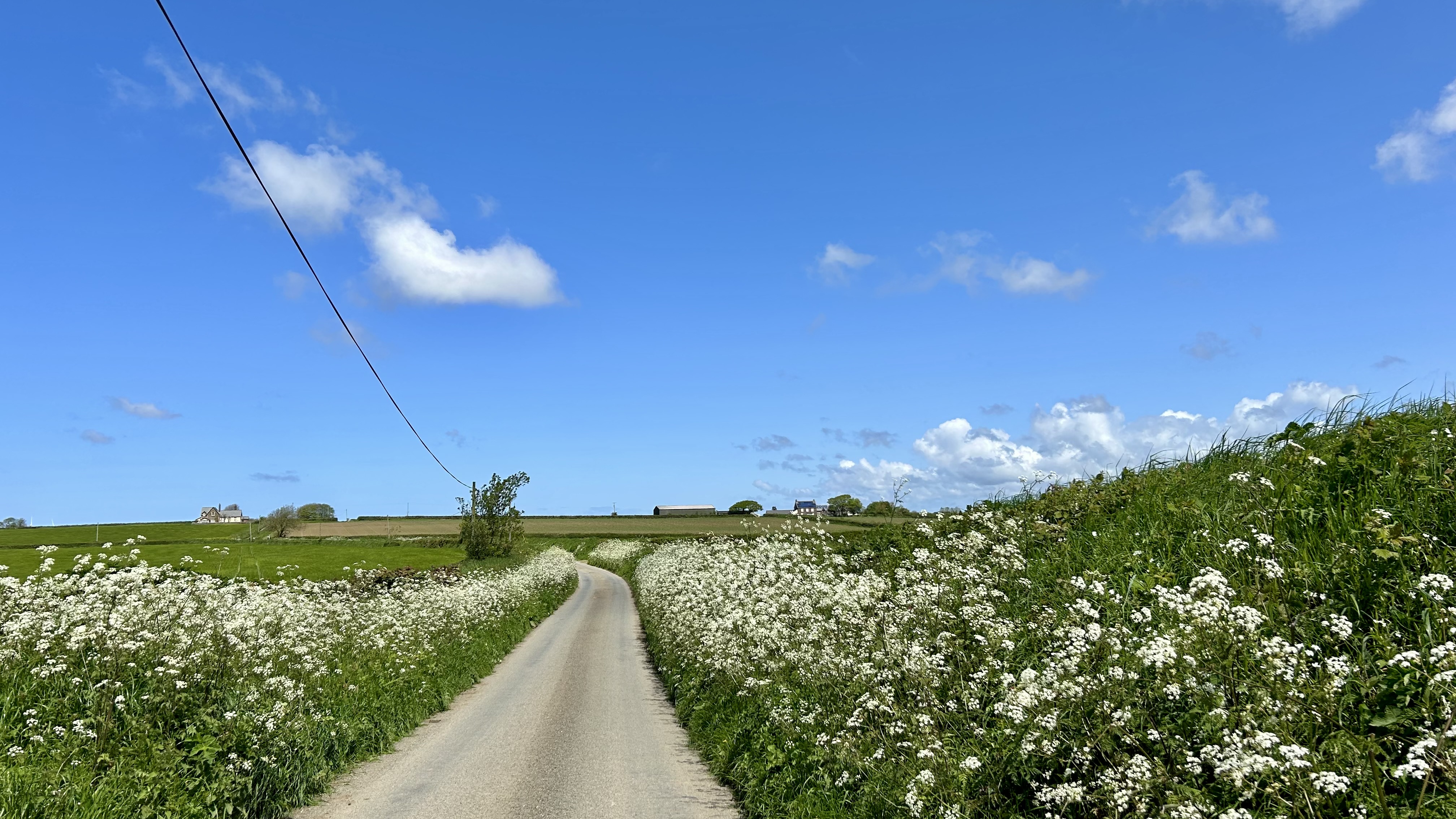
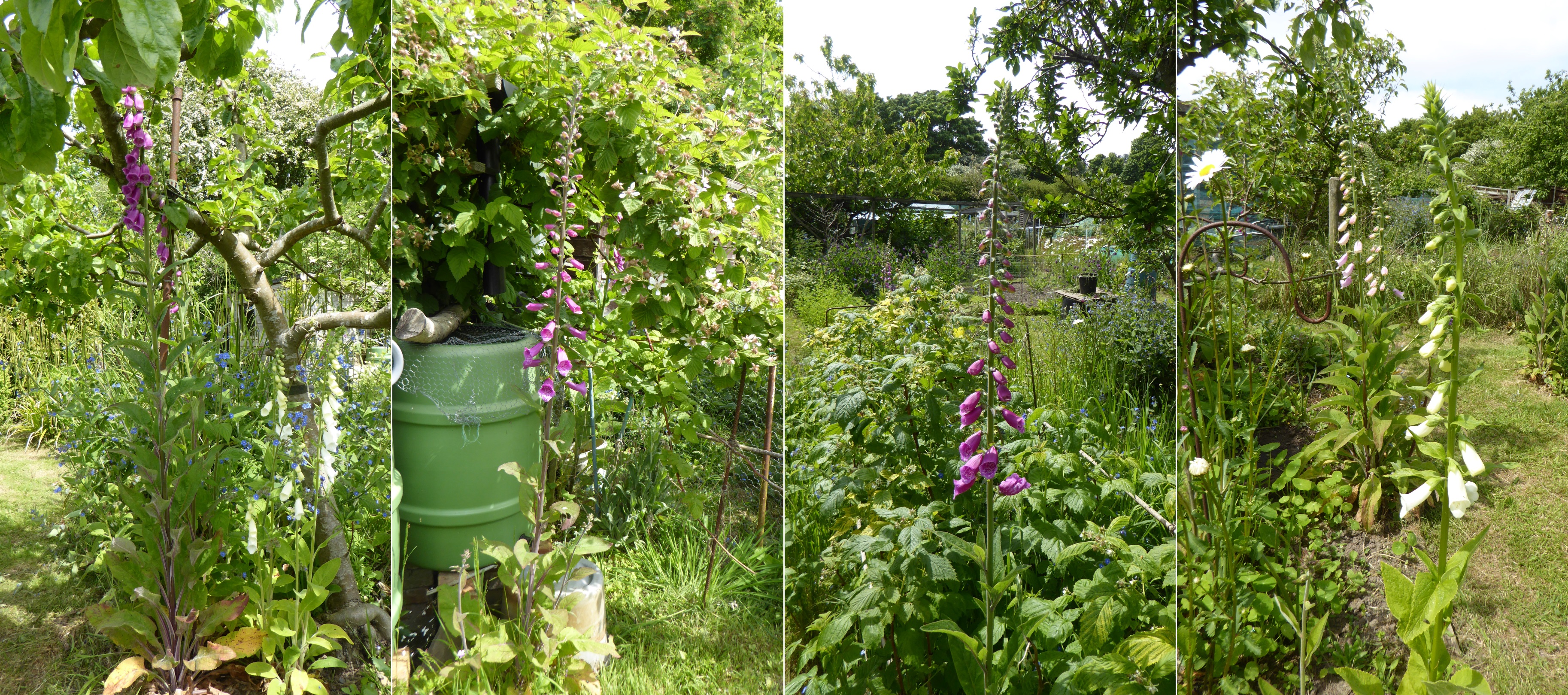
Another wonderful collection! And since Mr Devine started banging on about Foxgloves I’ve noticed many bursting forth in the hedge banks. I love Devon hedge banks as they’re forever changing and don’t look the same from one week to the next. They support a multitude of wild plants and therefore we are lucky to have populations of insects and small mammals in abundance.
I look forward to finding something for the water theme! Probably rain!!
Sx
LikeLiked by 1 person
Yes, hedge banks or hedge rows, whatever you want to call them are way better than fences! I hope to advocate better in my community for more hedgerows to define properties and add privacy and reduce the number of ugly haggard fences. We should be saving all that wood for housing.
LikeLiked by 1 person
“Banging on”? Banging on?!? How very dare you, Ms Scarlet!
:: rushes off to delete most recent post ::
LikeLiked by 2 people
Too late!! I have already seen the fabulous Foxgloves on your most recent post, Mr Devine! And the double pink Hawthorn – thank you!
Sx
LikeLiked by 1 person
Drat!
And, you’re welcome x
LikeLiked by 1 person
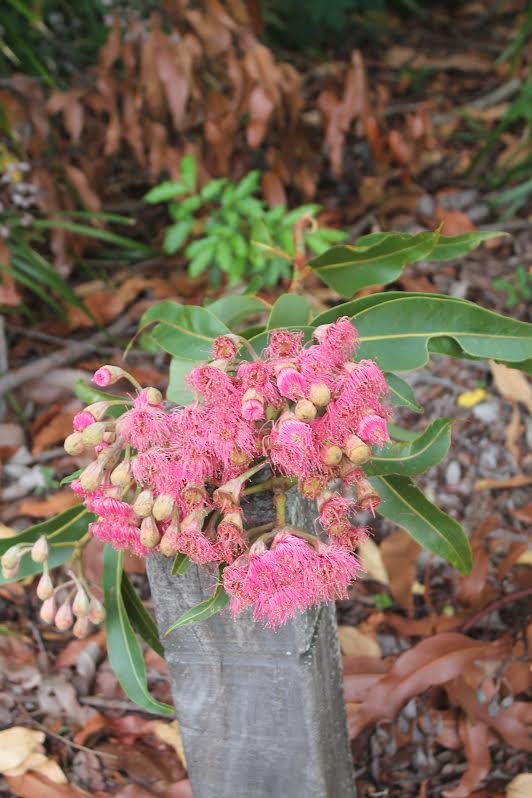
These are all fascinating! I felt sure that Dinah would produce the most showy, exotic specimens (and the Eucalyptus and Syzygium certainly are), but perhaps unsurprisingly, Mistress Maddie’s Mountain Laurel is my star. What beautiful and unusual flowers it has. I want one! Having said that, I want ALL of them!
Thanks for putting on the show again, Melanie. I’m looking forward to cooling off with next month’s water theme.
P.S. Kerfe’s mystery plant is definitely a Skimmia as you’ve noted (I have loads growing outside my front door).
LikeLiked by 1 person
Hooray! I like doing these posts because I never know how it will come together until the end and somehow, it always works! You’re right, we might all be grateful to see water by the time the pictures get posted. It could be very hot in most climates by then.
LikeLike
I really have to do the next and become a regular. I’ve scheduled a reminder to check again for the next one.
These are amazing
LikeLiked by 1 person
Thank you, Jude! You participation would be greatly appreciated.
LikeLike