
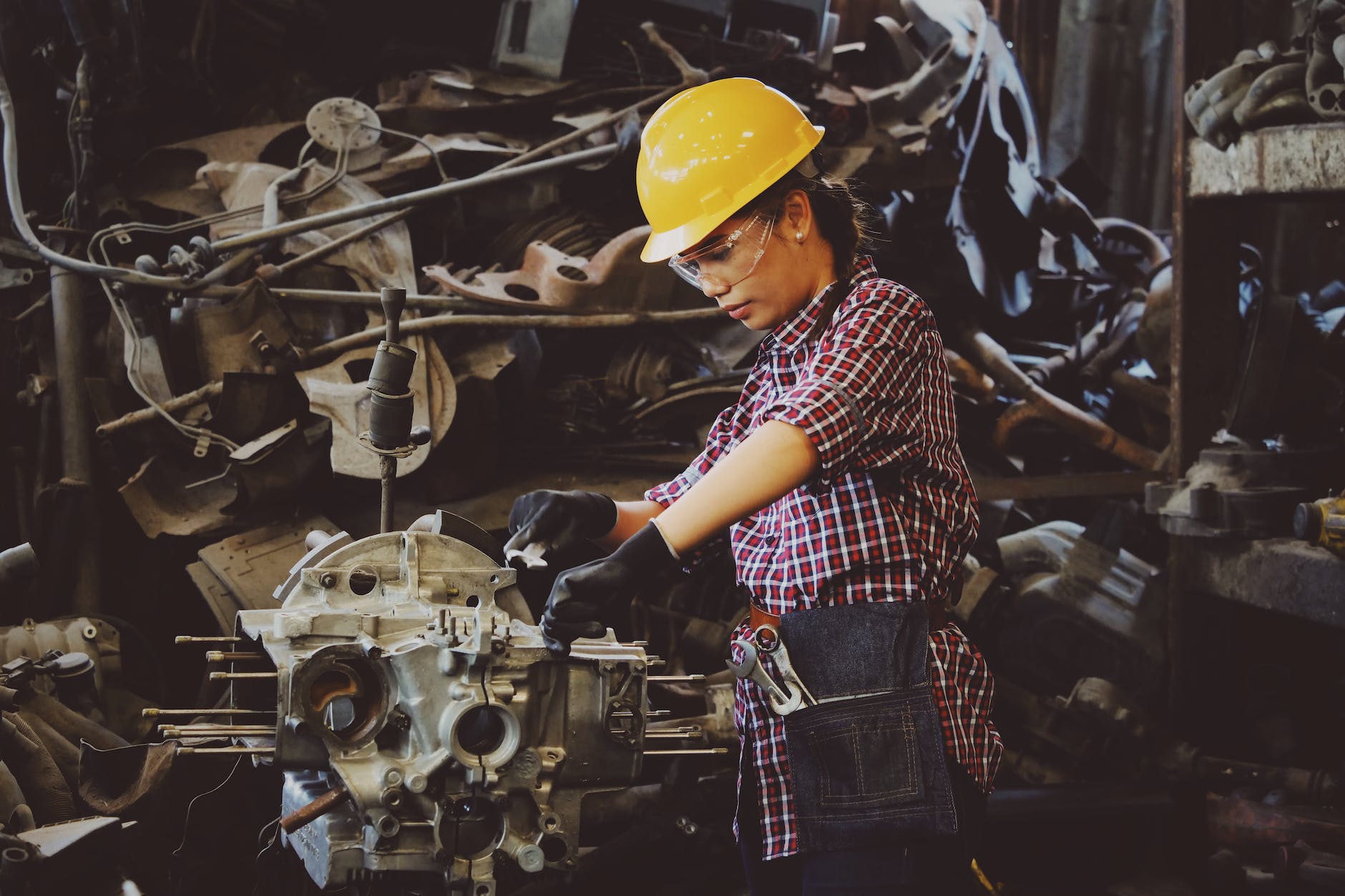
What is the Right-to-Repair?
It’s the argument that people should have access to the parts needed to fix machinery, computers, appliances, and any other large purchase items. We lose this right to fix our purchased items when manufacturers require specialized tools inaccessible to most people. For example, instead of using a common nut or bolt to do the job they make a specialized widget requiring a specialized tool that is only accessible through them or a contracted vendor. The manufacturer may also attach additional requirements such as requiring someone to be “Authorized” or “Certified” through their training program, which of course, has to be paid for and may require materials fees such as books and/or require a re-certification or annual membership fee. This can also be called “gatekeeping”: limiting access to something in order to make it more valuable. It’s also a practice of what we in the United States call “nickel and diming”: when a business or person tries to get every last bit of change out of your pocket by creating add-on fees. Several notable companies that have a monopoly in their business sector are notorious for either steep or numerous add-on fees.
Why it matters
I come from a family of “fixers.” We always try to fix things before throwing them away or repurpose them. Originally our intent was not to save the planet from excess garbage, but to save money. Nowadays, I do try to fix and repurpose things for both ambitions; to save money and the planet from unnecessary waste. There is no more wasteful practice than planned obsolescence and fast fashion. There’s very little profit in offering parts to repair things, especially when you can just force the customer to buy a new one. When it becomes adopted as an industry standard all you have to do is convince the public that your newer version is much better. Sometimes the product really is better than what was previously offered, but other times, it’s just small tweaks that a customer may or may not notice or even want.
You might notice that I keep calling us “Customers”, but to many businesses they prefer to call us “Consumers” in hopes that we might be hungry like a school of piranhas ready to snap up whatever their offering. Language matters. Many companies want us to be the greedy, capitalistic public that they portray us to be. In a future post, I’ll cover why language matters in advertising and marketing.
When our washing machine broke several years ago the sales guy was giving us his spiel and ended with something to the effect of, “…this should last you five or six years which is fine because people want to change their appliances by then.”
I couldn’t’ stop my face from expressing exactly how I felt about that statement. Had it been said in words would have translated to “The #@$%, you say? How dare you mistake me for a fool?!?!” He panicked and quickly muttered about suddenly needing to do something way “over there” which was the farthest point away from us in the showroom and near a fire exit. I rarely intentionally intimidate people, but sometimes it happens naturally when they try to feed me malarky (aka rubbish.)
The most significant cases currently going through the U.S. legal system is a fight against John Deere tractors and Apple Inc. Farmers, have always been a social class of doers and fixers in our society out of necessity. Growing up rural myself, I’ve always admired the ingenuity of the farmers and machinist around me. I couldn’t believe my eyes when I read about the John Deere case. Sowing and harvest seasons are stressful enough. You can’t expect one certified repairman to cover an entire farming community of say sixty square miles of farmland, for example! That would be insane! Most traditional working American farms are hundreds of acres. You also have to fix the machine wherever it comes to a stop which is likely in the middle of a field. (1 sq mile = 640 acres/ ~ 259 hectares)
‘Right-to-repair’ advocates skeptical of John Deere agreement : NPR (Jan 10, 2023)
The right-to-repair movement is just getting started – The Verge (Hot off the Press! Nov 13, 2023)
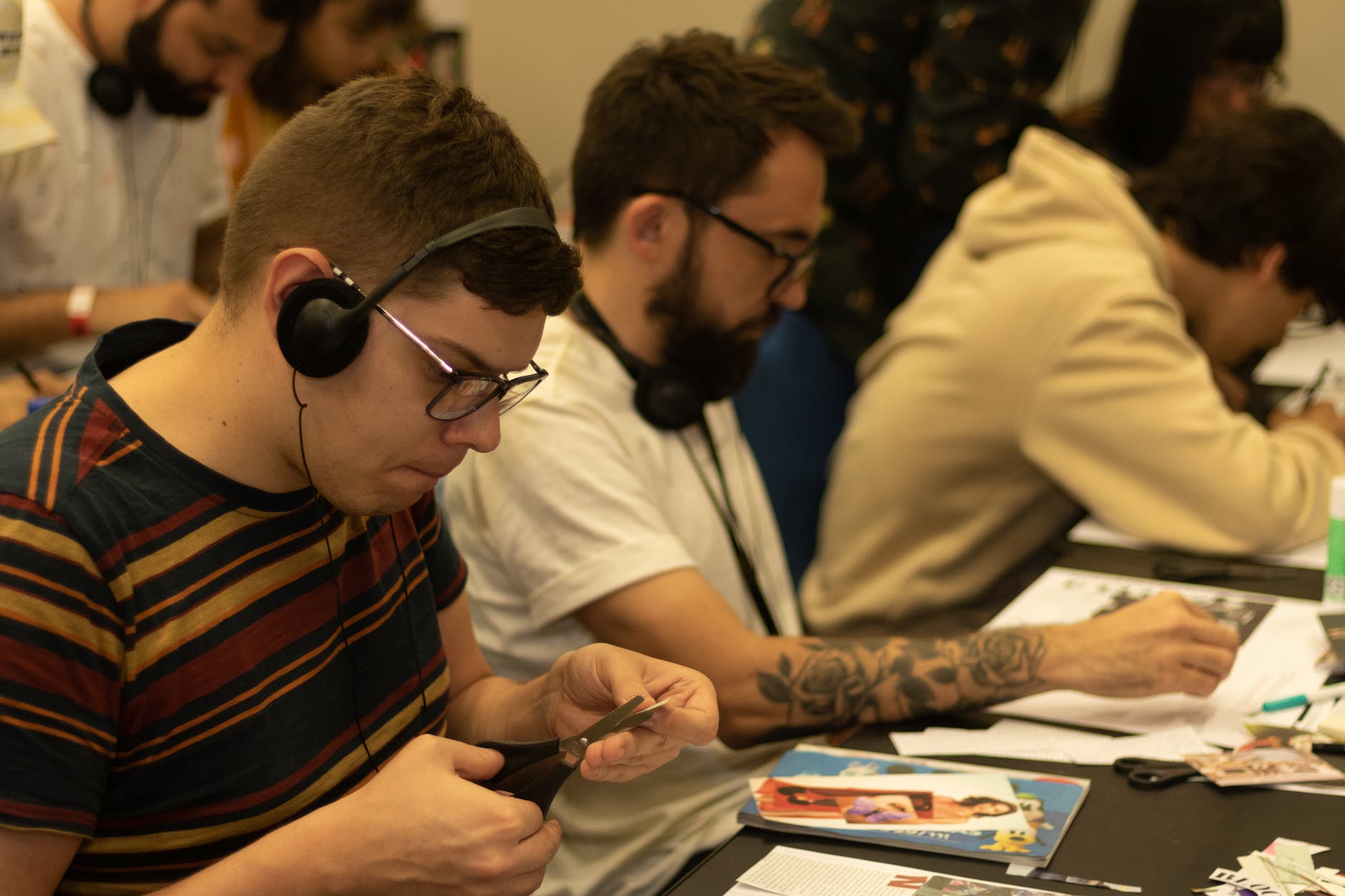
What are Maker spaces?
At its most basic definition a Maker Space is a place where people can gather together to make or repair a variety of things from lamps and vacuums to computer hardware. There is also the term “Repair Cafes” which is in the same vein. Both create a sense of community and encourage a curiosity for how things are made. You can find them both privately run or hosted and/or sponsored by different venues. My local library has makerspace classes and sessions that provide the space, the training, and access to a few key expensive equipment items. For example, two library branches in the county library system allow free access to 3D printers. You attend a safety training/how to class, bring your materials and if not part of a specific class session, then sign up for a 2-hour time slot to use the machine on your own.
Maker Spaces range in variety of complexity and offerings. From computer-related to arts and crafts projects. “Craft cafes” are another popular option that allow a meeting space and community atmosphere for those looking to paint, sew, crochet, etc. Some maker spaces hold themed events to keep community participants engaged.
Maker spaces try to be as inclusive as possible to all. Some are free and some require a small fee. I think these opportunities to build things together is important to have in a society where an epidemic of loneliness is taking over. It offers a safe space for people to be part of a community who aren’t interested in attending a church, or a sports or music-related venue.
Why they matter.
Makerspaces matter because having a sense of community is vital to us all! We are social creatures, even those of us who are introverted want to be a part of something bigger, but at our own comfort level. Sometimes it’s nice to sit in a room with other people and just do your own thing. It’s why writers like sitting in cafes. There’s a difference between being alone and being lonely. As much as I love my home and family, sometimes I just need to get away and meet new people, or I want them to get out of the house!
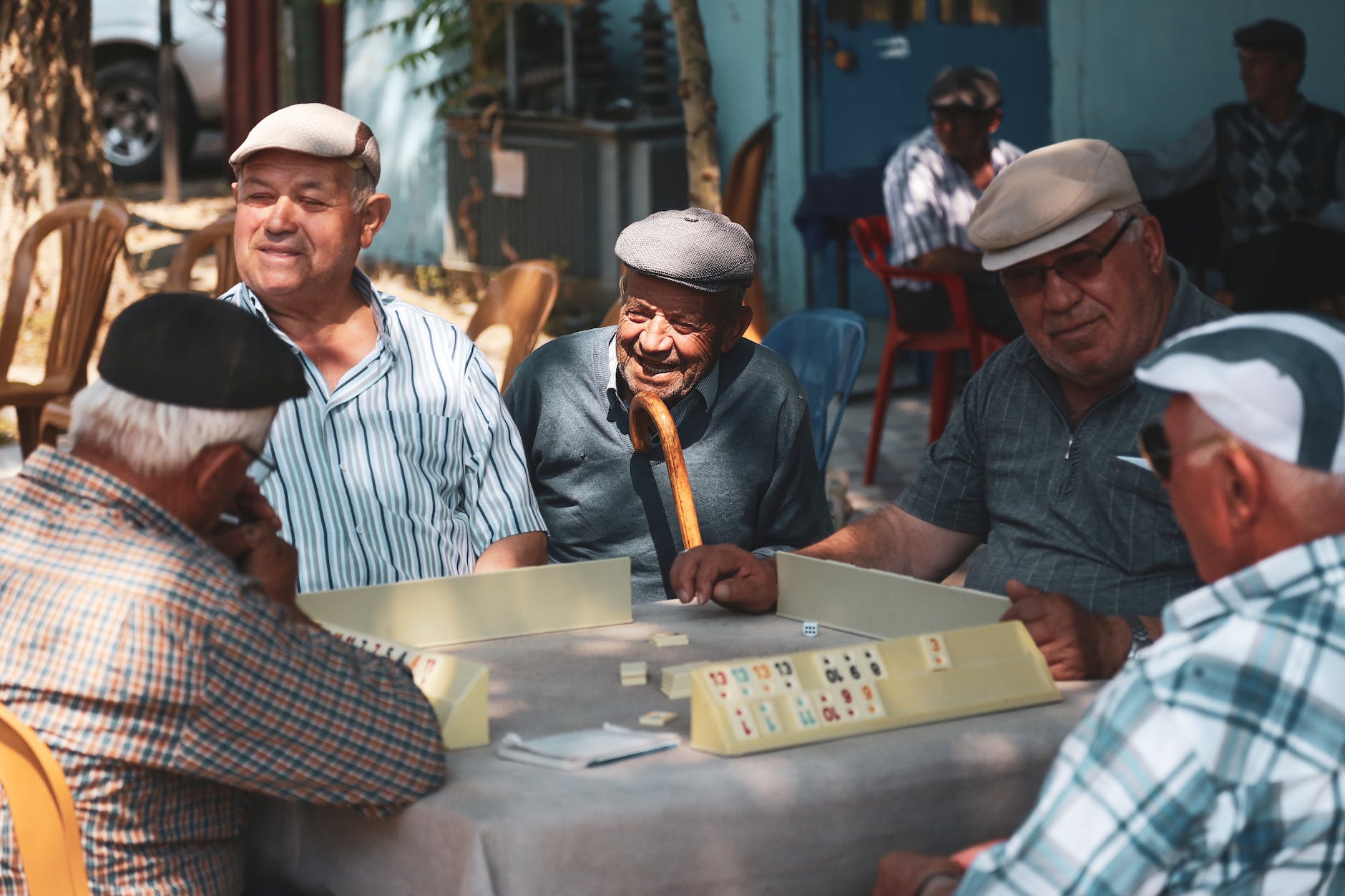
After talking with several friends in their 70s and 80s I’m starting to see a lack of places where older men feel wanted and interested in going. The women go out to connect with friends and trying new things, but the men don’t seem to know what to do with themselves. I’m concerned about how many people at all age levels comment on feeling adrift and disengaged from the rest of society. Makerspaces and the right-to-repair offer opportunities for feeling a genuine sense of accomplishment and a sense of community when done as part of a group. We need more physical spaces that bring us together without demanding we buy something.
Makerspaces can be found all over the world. Here’s a brief introduction and highlights of five Makerspaces including one in Brazil, India, and Senegal. The other two mentioned are in the U.S.
Top 5 Makerspaces Around The World | by IAM Community | IAM Community | Medium (Dec 20, 2019)
Have a wonderful week!
Go play outside…with friends!
 The Nature-led Life
My uncle repaired his family’s original Maytag washer and dryer for 40 years until they finally couldn’t find any parts for it. I remember friends scouring junk yards for parts for their cars when I was young. Are their even junk yards any more? Now we have “recycling events”–but what happens to what you leave there is a mystery.
I hate it when they make machines more complicated than they need to be or they want you to use machines for things which are easily done by hand. It’s good for people to share knowledge and learn to be more self-sufficient. And I hope big business loses those lawsuits. (K)
LikeLiked by 1 person
I love this story about your Uncle and friends, Kerfe! I used to go to the junkyard a lot when I was younger and fixing my own car and my friends. There are still a few around and auto part brokers that sell online.
I do wonder how much gets properly recycled or re-used at recycling events. I saw a documentary a few years ago that found that a lot of it still gets dumped in Asian countries. There is a steel recycler not far from me. Every so often something there catches on fire, I don’t think I want to know what kind of toxins are in that black smoke. It’s been there a long time and the city I live in is young and just kind of sprang up around it. If the place shut down it would probably be a superfund site with all the heavy metals in the ground.
LikeLiked by 1 person
There have been so many fires just from E-bike batteries this year in the city–17 dead. Electric vehicles are no answer to pollution or overconsumption. I just feel like we keep digging ourselves further into holes. Toxins in everything really.
LikeLiked by 1 person
I agree! I see a lot of what I call overengineered “solutions” to climate change because so many people in the business, technology, and politics believe that the solutions have to be market-driven for the advancement of (a capitalistic) society, but capitalism is not an absolute value, it too can change. Many people don’t seem interested in thinking about it in a broad context. They need to be shown practical and realistic alternatives.
LikeLiked by 1 person
Exactly.
LikeLiked by 1 person
Consume less, customise and mend more. I am trying this out as a mantra – but I still get suckered, and I hate myself for it.
Oh, you should have seen the lengths I went to, to eke out more life from my old washing machine! The programme dial malfunctioned, so I spent hours figuring out where my most used programme was on the dial – I found it, and the machine was good to go for another year until it broke down for good. It was about 11 years old.
I think Maker Spaces, and Repair Cafes are a great idea.
Sx
LikeLiked by 1 person
Yes! And this goes completely against the messaging of marketing and advertising. Good on you for giving it a go, Ms Scarlet! I still call handymen to get a quote if I don’t think I can do something good enough. They’ll know where to get the parts and can do the service usually for a 1/3rd of the cost of buying new if they can do it. It doesn’t hurt to ask and I love supporting independent/small business owners.
LikeLike
I always try to fix things but my daughter likes to throw them and bring a new one 👌time has changed for them
LikeLiked by 1 person
At least you try to fix things. Hopefully your daughter will see the value in keeping things longer. It’s good for any person’s confidence when they can figure out how to fix things. Thank you for trying and your comment!
LikeLike
☺️🙏
LikeLiked by 1 person
Melanie this was GREAT. The maker space/craft cafe/library lend thing is very big here in Bellingham and I never gave it a thought, but now I’m going to look into it seriously. I remember the public access bicycle repair shops back in Portland – usually crowded, usually provided espresso – and a lot of them are still in existence. I also remember the shock of discovering that appliance repair is no longer considered worth the effort. Thank you for posting this! It really opened my eyes to something worthwhile!
LikeLiked by 1 person
Thank you so much for your comment! I’m glad this post brought back good memories of these kinds of places, and I do hope you’ll check out the current ones near you.
LikeLike