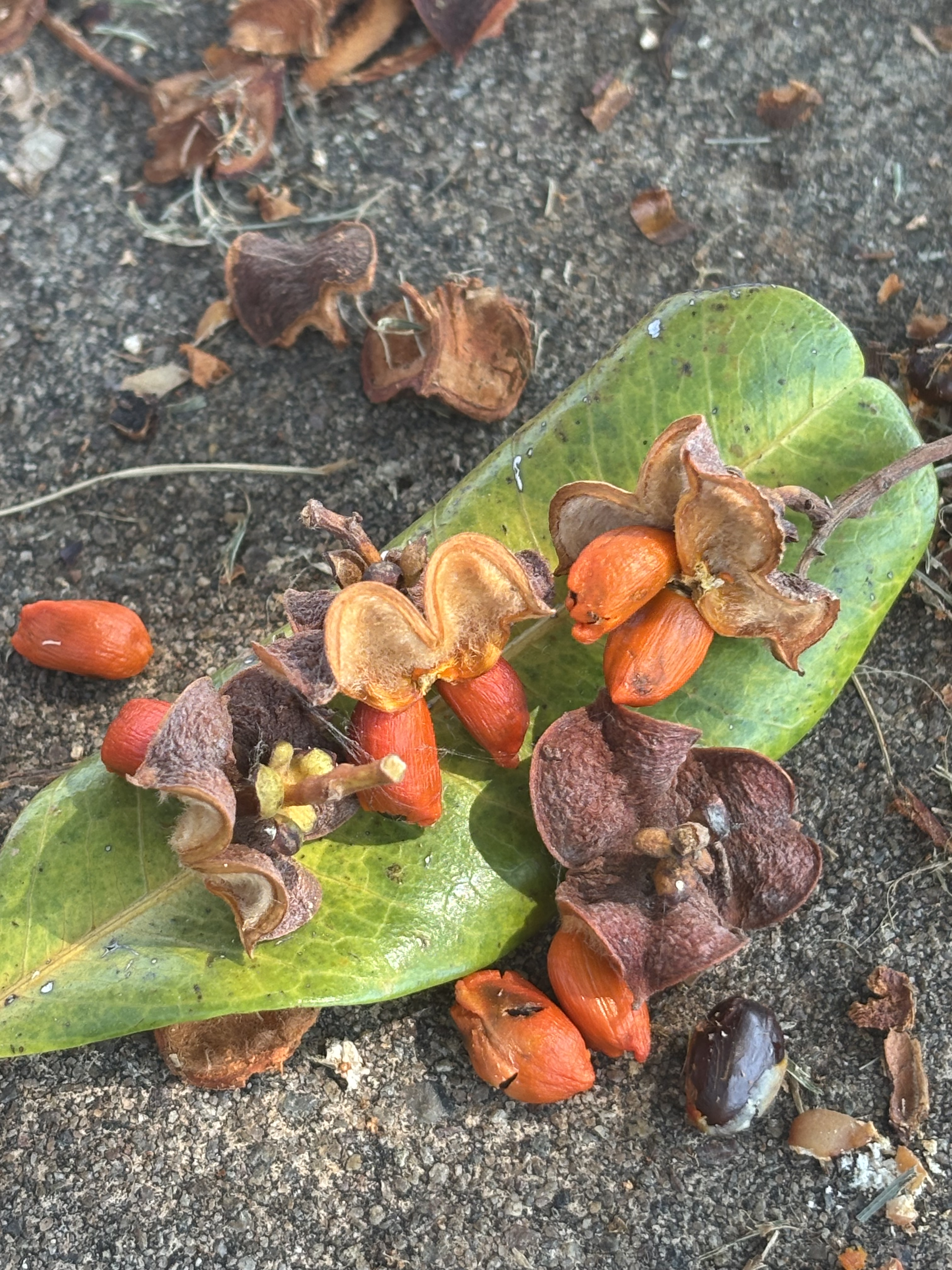
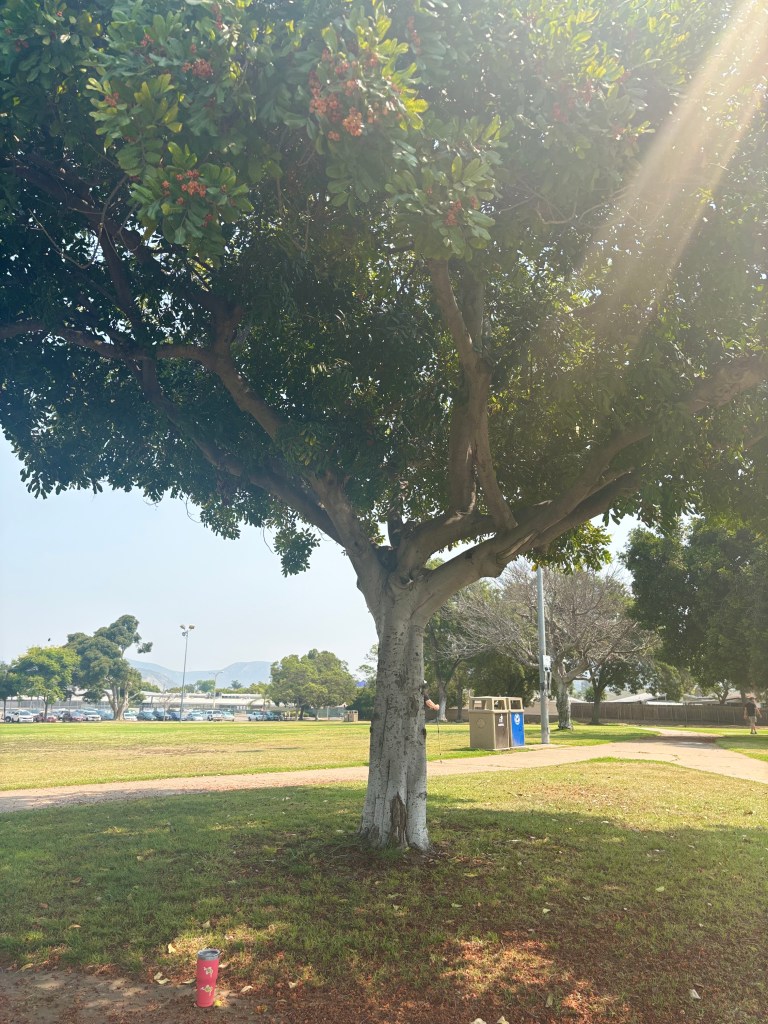
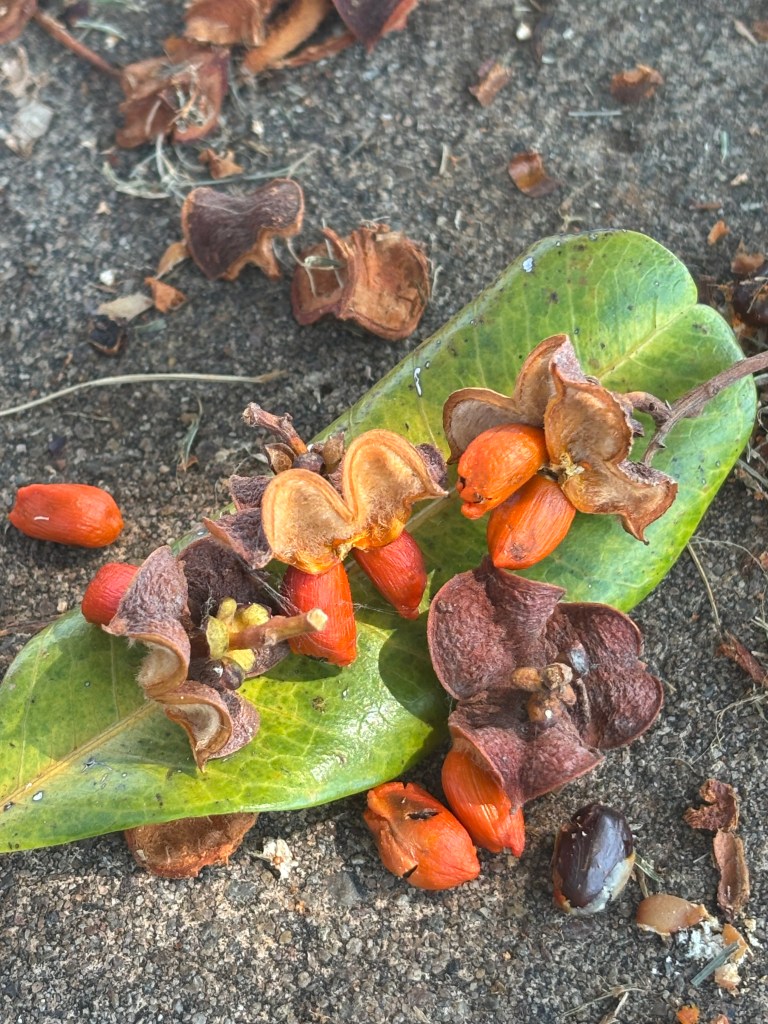
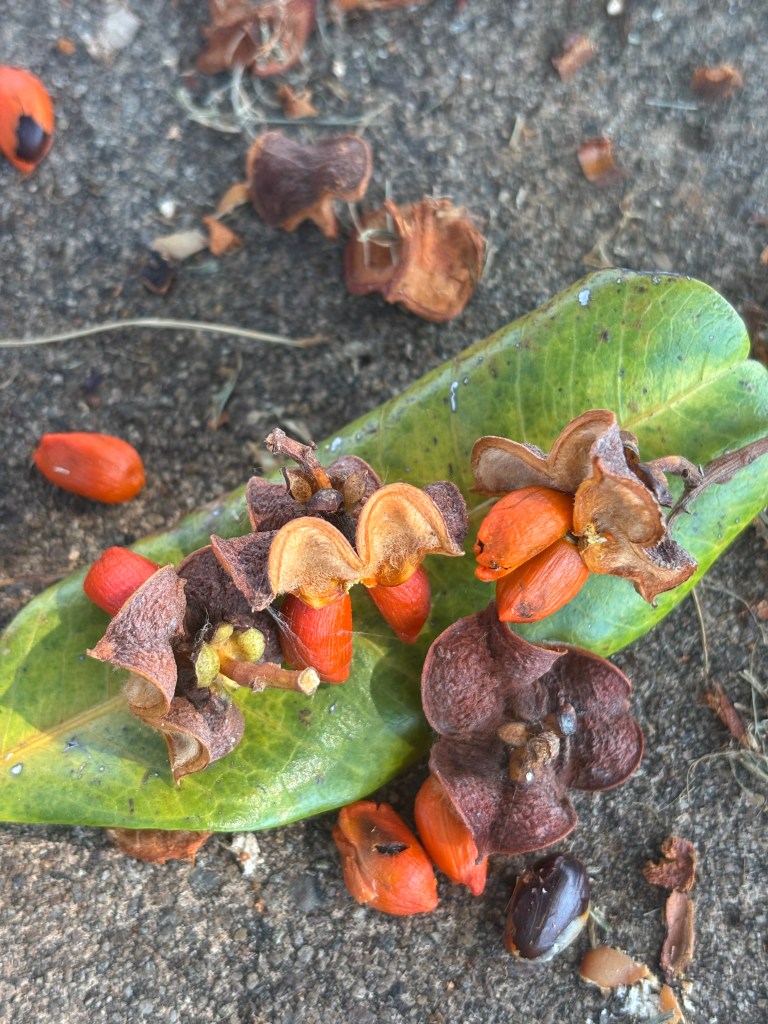
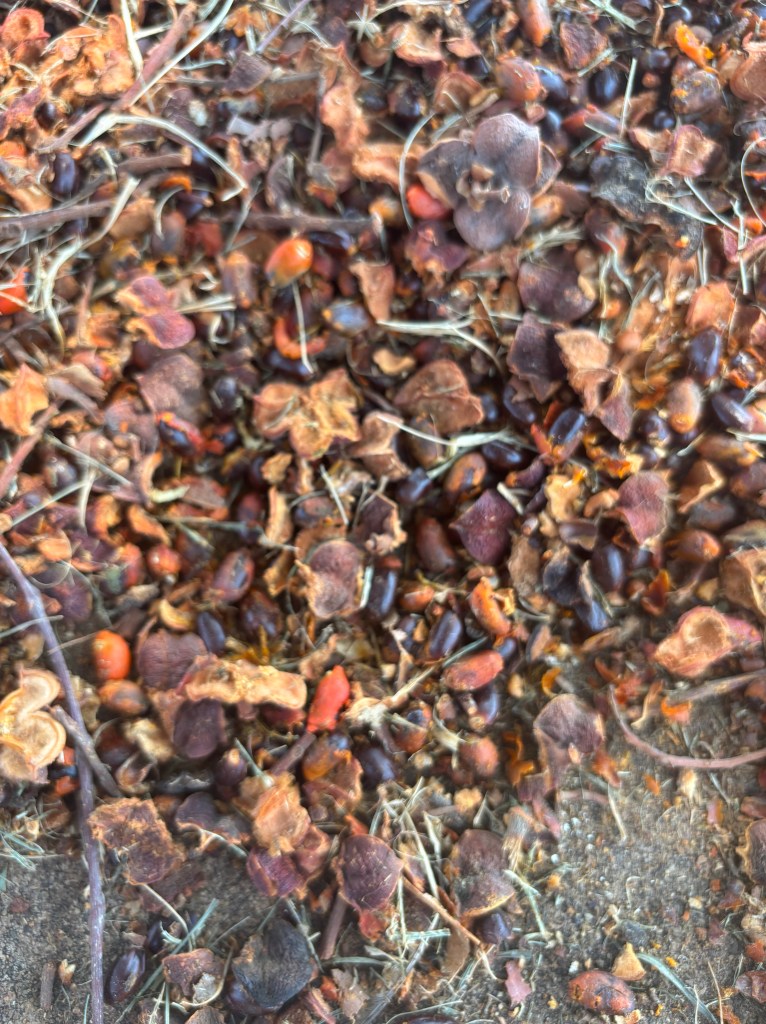
Upon seeing the seeds of this Australian tree (the carrotwood tree (Cupaniopsis anacardioides) here on American soil, I was suddenly visited by the image of the Colombian zapote: that fruit with fiery orange tones, fibrous and fleshy, shaped like a maraca with its round form and persistent stem, as if still clinging to the tree.
Four worlds meet here: Australia, the United States, Colombia… and that other elusive territory of memory, where time does not exist, but everything leaves its mark. A land with so many names, so many faces, so many sensations.
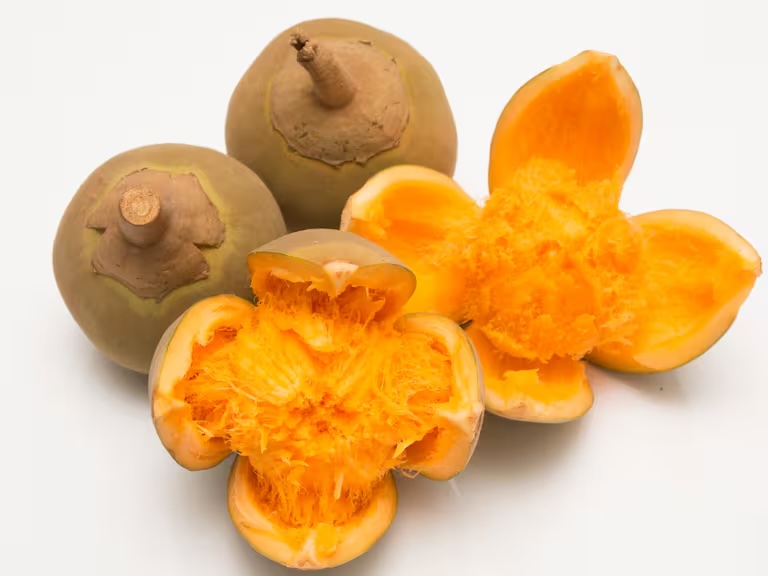
The zapote, in its many varieties—mamey, black, white, chicozapote—is native to Mesoamerica and South America. Since pre-Columbian times, it has been cultivated and revered by Indigenous civilizations such as the Maya and the Mexica, not only for its nutritional value but for its symbolism tied to fertility, abundance, and the sacred. Its name comes from the Nahuatl word tzapotl, used to refer to sweet and soft fruits. In many regions of Latin America, the zapote remains an ancestral fruit that connects generations, land, and body.
In my wanderings, these small seeds brought me great memories, honoring my father, and the zapote, his favorite fruit.
Father, you so well dressed, so serious in your reflections, so methodical in your plans and calculations. Your desk, impeccable. Your notes, exceptionally organized. I was always curious why you liked zapote (I never asked. Simple things that go unasked, as if silence already held the answer).
Zapote carries something sacred in its messiness: it smears, it stains, it invites you to eat without cutlery. You must eat it with your hands, suck the pulp from the seed, let yourself be covered in its thick, fiery colorful juice. It’s a fruit that doesn’t allow for haste or distance; it is eaten with the whole body.
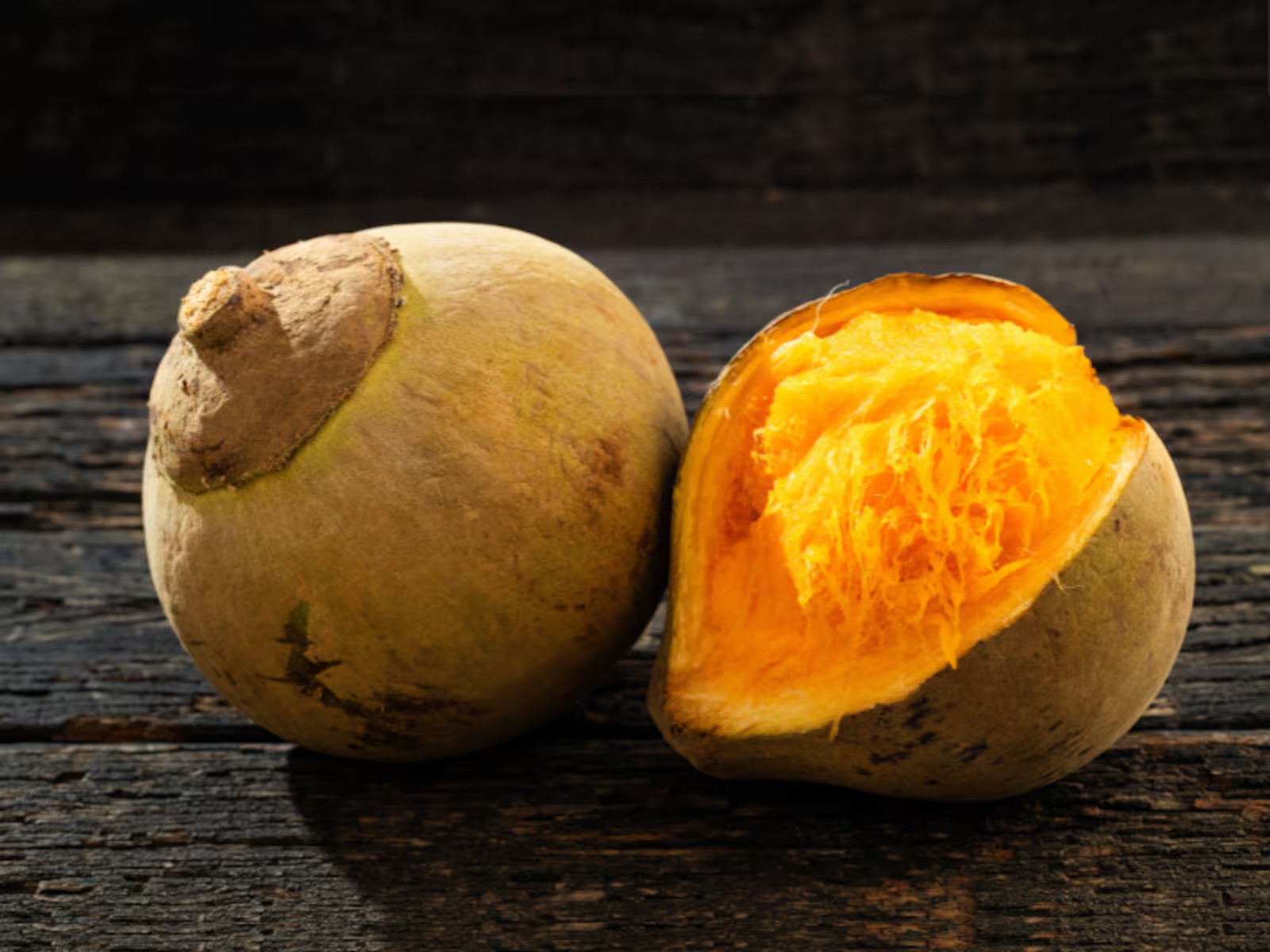
Now, as a mother, I see in its shape something like a breast; round, generous, with a nipple at the tip. The juice doesn’t come from there, but its form moves me, reminds me that everything in nature is connected. Zapotes open like a chest, and they feed us. Their exquisite pulp is a quiet pleasure that invites play, delight, and the chance to be children again.
And in that experience —licking your fingers, laughing at the juice running down your hands, tasting slowly— you give thanks. For the nourishment, for the sensing body, for the memories that return.
Thanks for this ancestral delight.
 The Nature-led Life
What a lovely memory! The fruit looks interesting. I hope I have the opportunity to try it sometime!
LikeLiked by 1 person
I also forgot to mention: I love the pictures! You’ve really had some outstanding pictures to go with your posts!!!
LikeLiked by 1 person
Thank you so much for your kind words!
If only I could take as many pictures as stories that come to me every time life and I cross paths… Sometimes I’m driving and I’ll catch a glimpse of something (a shape, a shadow, a flicker of light) and just like that, a title appears. A character follows. A plot begins to unfold.
But… I’m driving! So the photo stays unwritten, and the story waits in the rearview mirror.
Still, I’m grateful when I manage to catch one, whether with my camera or my words. Thank you for seeing beauty in both.
LikeLiked by 1 person
It’s deliciously messy… I haven’t found it here… you’ll have to go to Colombia to taste it for real (:
LikeLiked by 1 person
Very cool image!
LikeLiked by 1 person