When I was fourteen, I started volunteering at the Spokane Humane Society animal shelter in the 1980s. It took me two early morning buses and a one mile walk from the last bus stop to get there. On my first day I was to start helping out in the puppy room as all new volunteers did. At one point I was asked to get a bucket and a mop from the second door down the hall on the left. Somehow in that short walk I forgot which door to go into though, the first or the second? I went in the first door.
It was the incinerator room. In the center of the room was a pile of dogs and cats. They looked like they were sleeping. I wanted to run out of the building crying and never look back, but my feet wouldn’t let me. When my feet finally did move, they took me down the hall to the next door to grab the bucket and the mop. My only thought being, “If I run away now, I can’t help the animals that are still living.”
My family struggled with a lot of things. My city struggled with a lot of things and still does to this day. Back then, if you didn’t like it, well then, “Suck it up, Buttercup.” or “Welcome to Spokane, Sugarplum.” We felt few people were as tough as us, except maybe someone from Detroit or DC. I’d developed a high tolerance for what I was willing to put up with in life, but I wasn’t willing to accept the death of so many animals. “What are you going to do about it, little girl?” The antagonistic red-neck voice in my head sneered. “I’m going to lower the body count.” I thought matter-of-factly.
I went back to the puppy room determined to learn how to make a difference. When you grow up in a tough environment you learn to think on your feet real fast. If you can’t be stronger, be faster, and if you can’t be faster, be smarter! I quickly learned the ins and outs of the shelter’s operations. During that whole summer I worked 7 days a week from 7am to 7pm same as the shelter’s open hours. I was dependable and consistent. No one looked at me and saw a fourteen-year-old girl or a half-slack volunteer. I earned an equal amount of respect and responsibility as the people that work there. I just didn’t get paid for it.
I’ve always been pretty good at reading people. It’s a survival skill, but you can only learn so much by looking at someone. I started asking the people what they were looking for in a dog or cat. Do they work a lot? Do they have a house or live in an apartment? The more questions I asked, the more I was able to determine which animals at the shelter would fit the person’s personality and living conditions. I spent a lot of time with these animals. I knew their personalities, their strengths, and their weaknesses. I taught dogs to be potty-trained. I trimmed excess hair away from their eyes so they could use their “puppy eyes” to their full advantage. I taught them how to “shake hands”, “bow” or put their paw over their nose when I asked, “Who farted?” Was it a little gimmicky? Yeah, but everybody wanted a dog like Benji or Lassie at the time, not a Cujo.
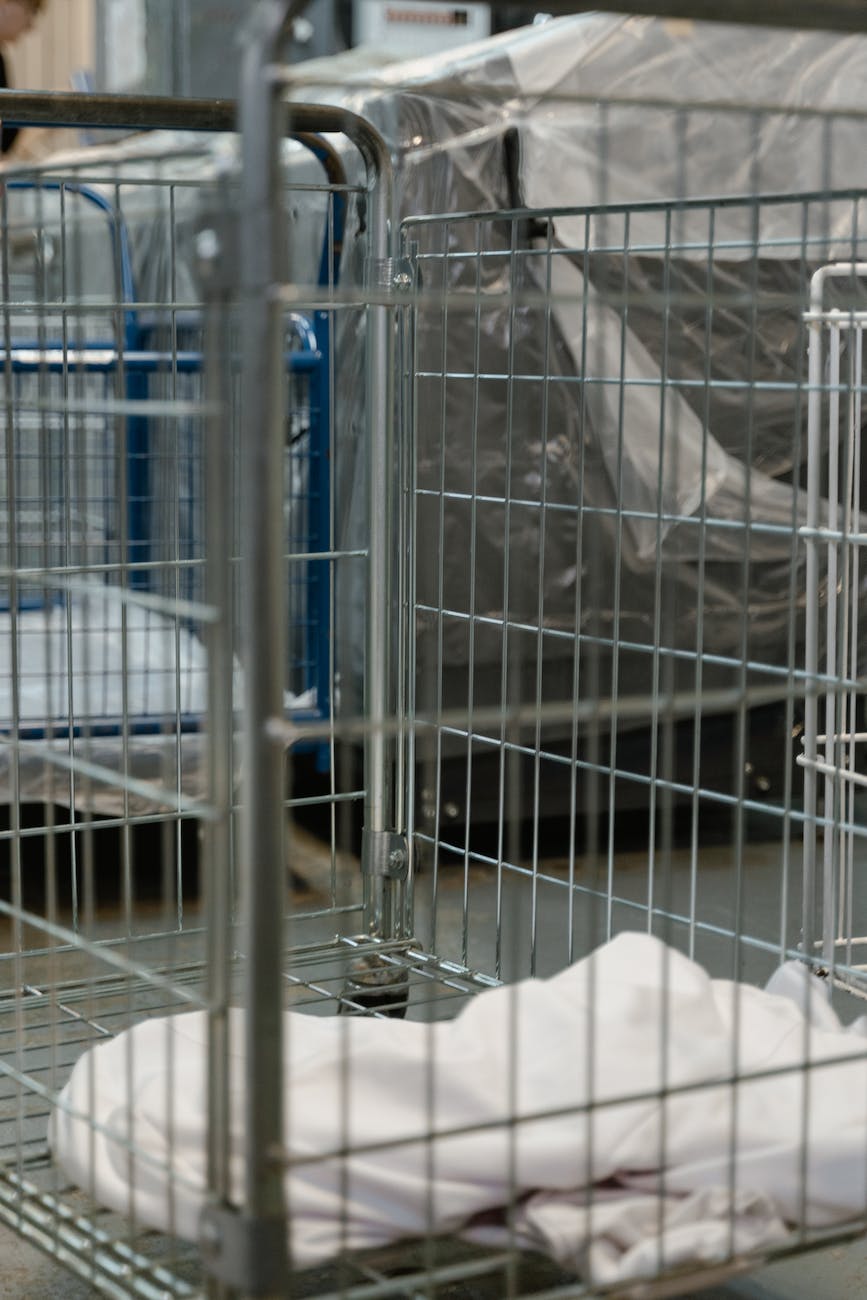
For the cats, I kept them clean and immediately quarantined any with the slightest hint of upper respiratory infection. The cats were housed in one room free to roam and the infection is highly contagious. If the room full of cats got the infection, the whole room was put down. We had neither the money nor the manpower to treat them, despite it being as treatable as the common cold in humans.
I drafted out “Adopter profiles” on a yellow legal pad and gave it to the Shelter Director. I gave her additional notes on what I’d learned about what people wanted and how to help the animals meet those needs so that no one left the shelter without an animal. Summer was quickly coming to an end and so was my volunteer time. I couldn’t do both school and volunteer work. As a student with dyslexia who never received support or special allowances, I struggled with schoolwork, low grades, and low self-esteem. At the shelter, I never felt dumb, and I knew what I was doing mattered. The Shelter Director was genuinely grateful for my contribution, and I remember her and the other people I worked with fondly. Of all the animals I’d personally helped get adopted out only one was returned and I still found a home for her before her time ran out. They also hadn’t had to euthanize the entire cat room since my intervention. I’d dramatically reduced the body count. I wish I could have saved them all, but — “I didn’t do nothing.” I did something!
Years later I’d be living here in Western Washington, married, owning a home, and taking advantage of a free dog training class with my newly adopted dog at the Bellevue Humane Society. They had us fill out a questionnaire about our living situation and lifestyle and it made me think of those “Adopter profiles” I’d made so long ago.
During the dog training class the trainer talked about positive reinforcement. No more shoving a dog’s nose in poop to let them know they’d done wrong. I’d never subscribed to abusive training tactics, but I didn’t know there was a name for the opposite of it. You know how sometimes you feel a certain way or have an idea about something, but you don’t have a name for it? It’s really satisfying when you do learn the feeling or the concept has a name. Positive reinforcement, is something I believe in.
The trainer said something really meaningful that has stayed with me:
Focus on the behaviors you want; not the ones you don’t want.
When you think about it, it’s not just about dog training, but parenting, negotiating with difficult people and our attempts to realize own goals.
I’ve internalized the concept even farther:
Focus on what you want; not on what you don’t want.
How can you change what’s bothering you if you don’t know what you want in life? How can you realize a goal if you don’t know what the goal? I think of goal setting as a mountain path. If you’re working through a complex problem, you often need to start with smaller steps to reach the bigger ones. Sometimes you’ll have to step off the path to gather resources, mentors and/or acolytes but always keep the path and the goal within your sight.
We’ve come a long way when it comes to animal welfare in the United States. We’ve strengthened animal abuse laws, we’ve made it culturally unacceptable to abuse or neglect animals, and we’ve reduced the number of euthanasia in animal shelters. In 2019, the U.S. pet care industry was worth $95.7 Billion dollars! * I don’t think that’s an entirely good thing by itself, but it does demonstrate a cultural shift in our behaviors and beliefs about animal care. Other countries are also making progress in both human and animal welfare, it certainly isn’t limited to just one country!
When it comes to improving the future of humanity and the planet itself, we can’t wait decades to shape holistic climate change policies. We need to find our own paths up the mountain. What are we as individuals and societies willing to consider acceptable in the future? I believe we’re at the forefront of a new zeitgeist of environmental consciousness. For generations the science fiction genre of apocalypse scenarios has been popular and has tried to warn us of what “could be.” None of us actually want to live through an apocalypse though! These stories remind us that humanity has always struggled and that we as individuals have always had to fight for what we believe in one way or the other. That’s what makes a hero. Stop waiting for someone else to be the hero. It’s you.
What should the narrative about the future of earth and humanity look like?
If you don’t want to live through an apocalypse, then what kind of future do you want?
How do we focus on the behaviors we want to see in ourselves and others? What kind of civilizations do we want to live in?
Please think about these questions. I would love to see some answers in the comments, but I understand if you’re the kind of person that prefer to do “quiet work.” I prefer to do quiet work, but I’m frustrated by what I perceive to be a lack of mentors. We see stories in the media everyday about what’s wrong and “worst case scenarios”, but where are the stories about how to change these things? I’m concerned that our collective fears and feelings of being overwhelmed could turn into acceptance and apathy of a self-fulfilling prophecy.
I refuse to accept the deaths of millions of lives on events that haven’t happened yet.

Footnote: * 55 Pet Industry Statistics: 2020/2021 Industry Growth, Market Data & Forecasts | CompareCamp.com
 The Nature-led Life