Suprise! Last week I was in Florida! I have now returned to my boggy delight that is the Pacific Northwest, but not without bringing you all some sunny pictures of interest, education and ominous warnings about where not to swim.
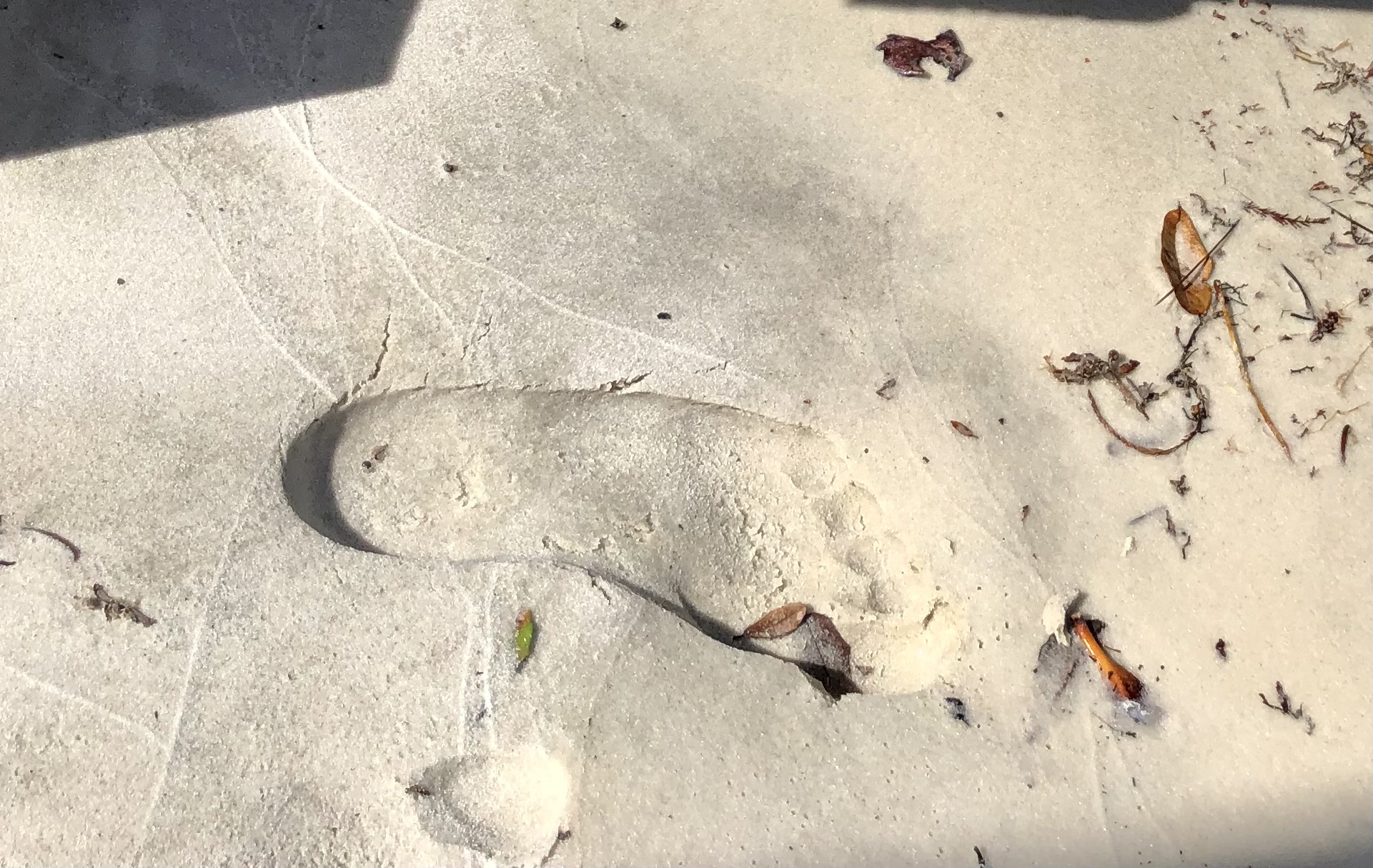
Footprint in sand
As one of my favorite Tom Waits songs goes, “We made feet for children’s shoes.” This one is now a youth size 5.
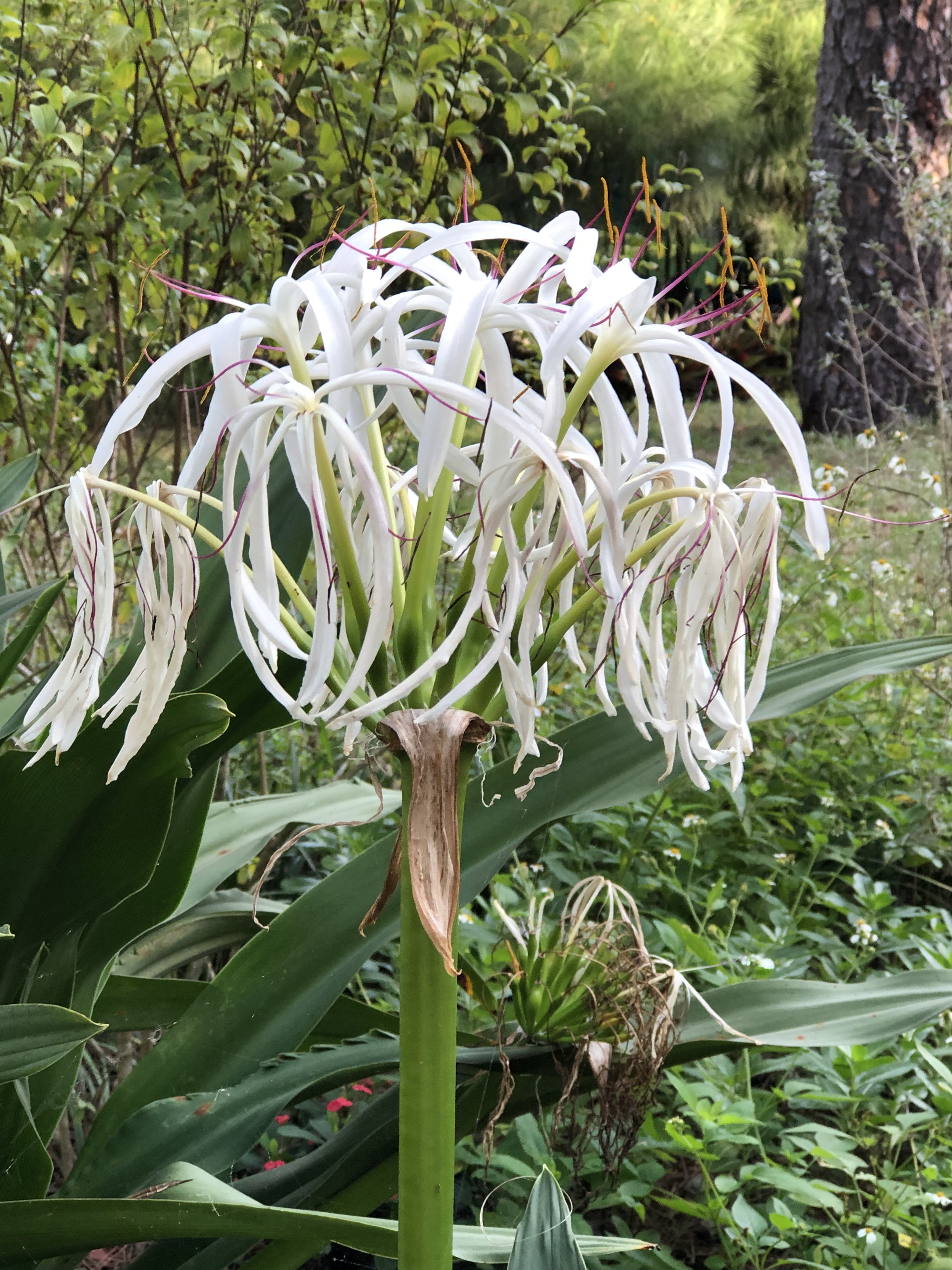
Swamplilly Spp unknown
This plant is dressed for a party.
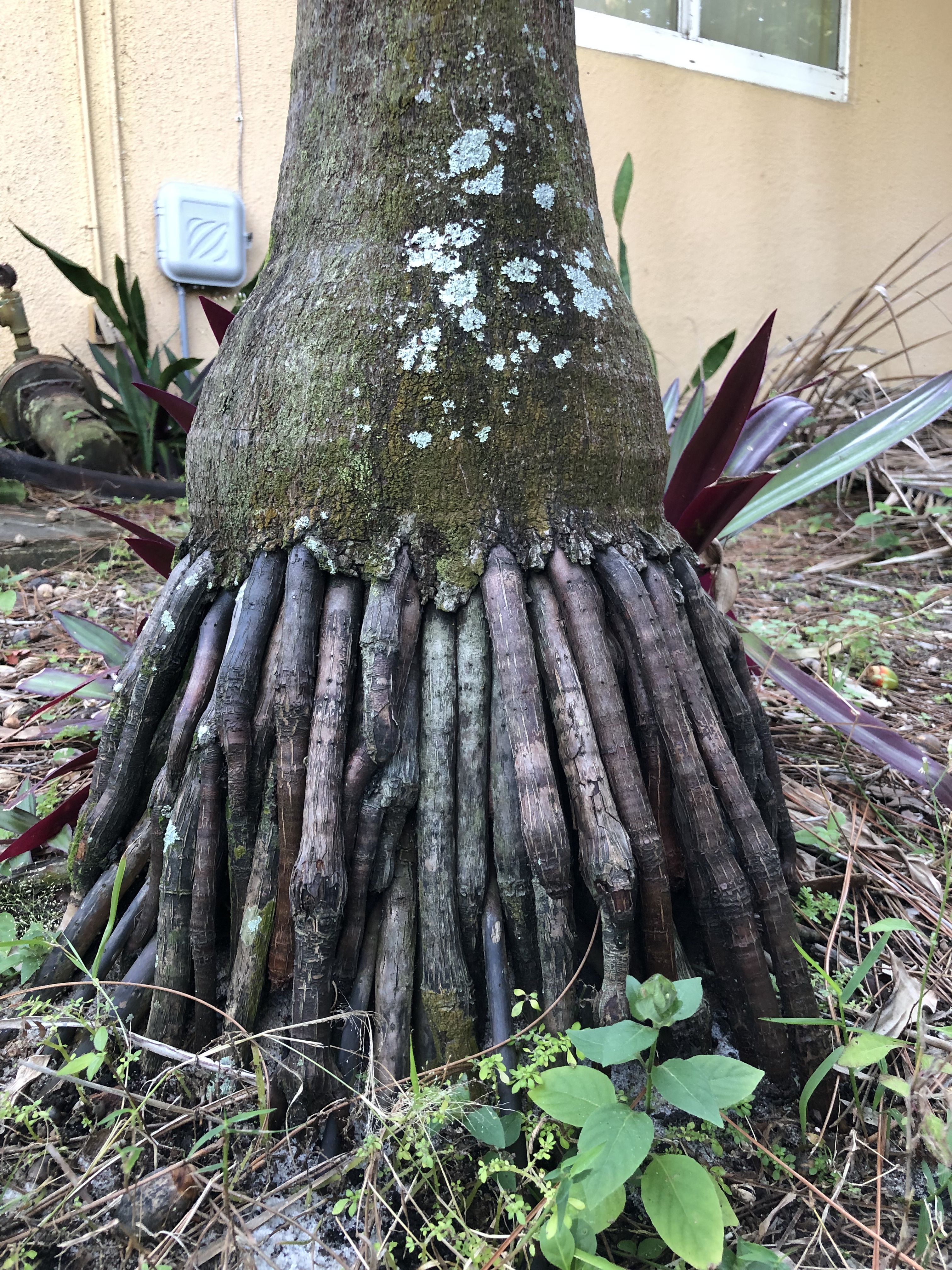
Palm roots
I scared this Tolkienesque palm tree Ent from walking away.
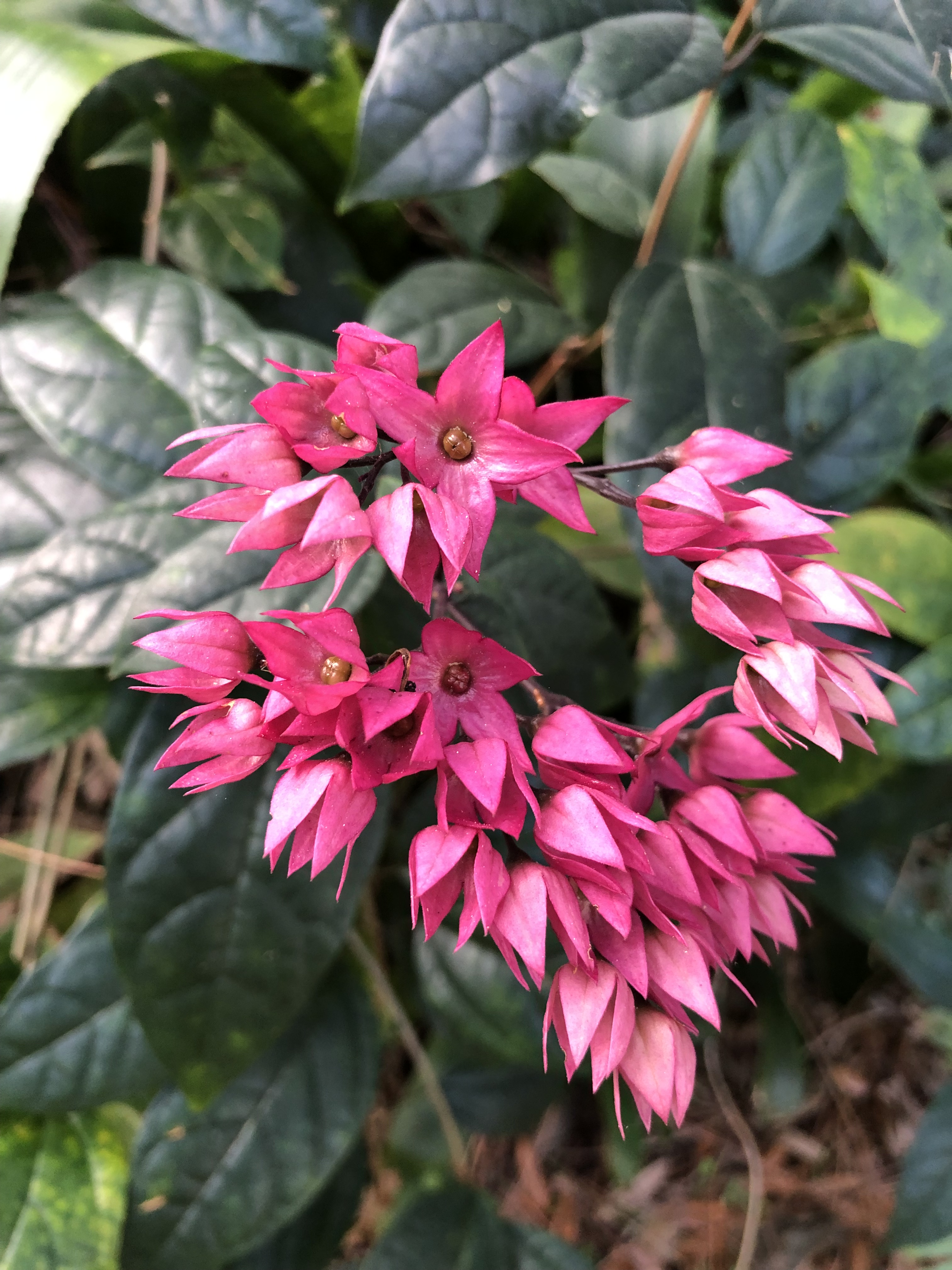
Bleeding Glory-bower
Another party plant having a ball!
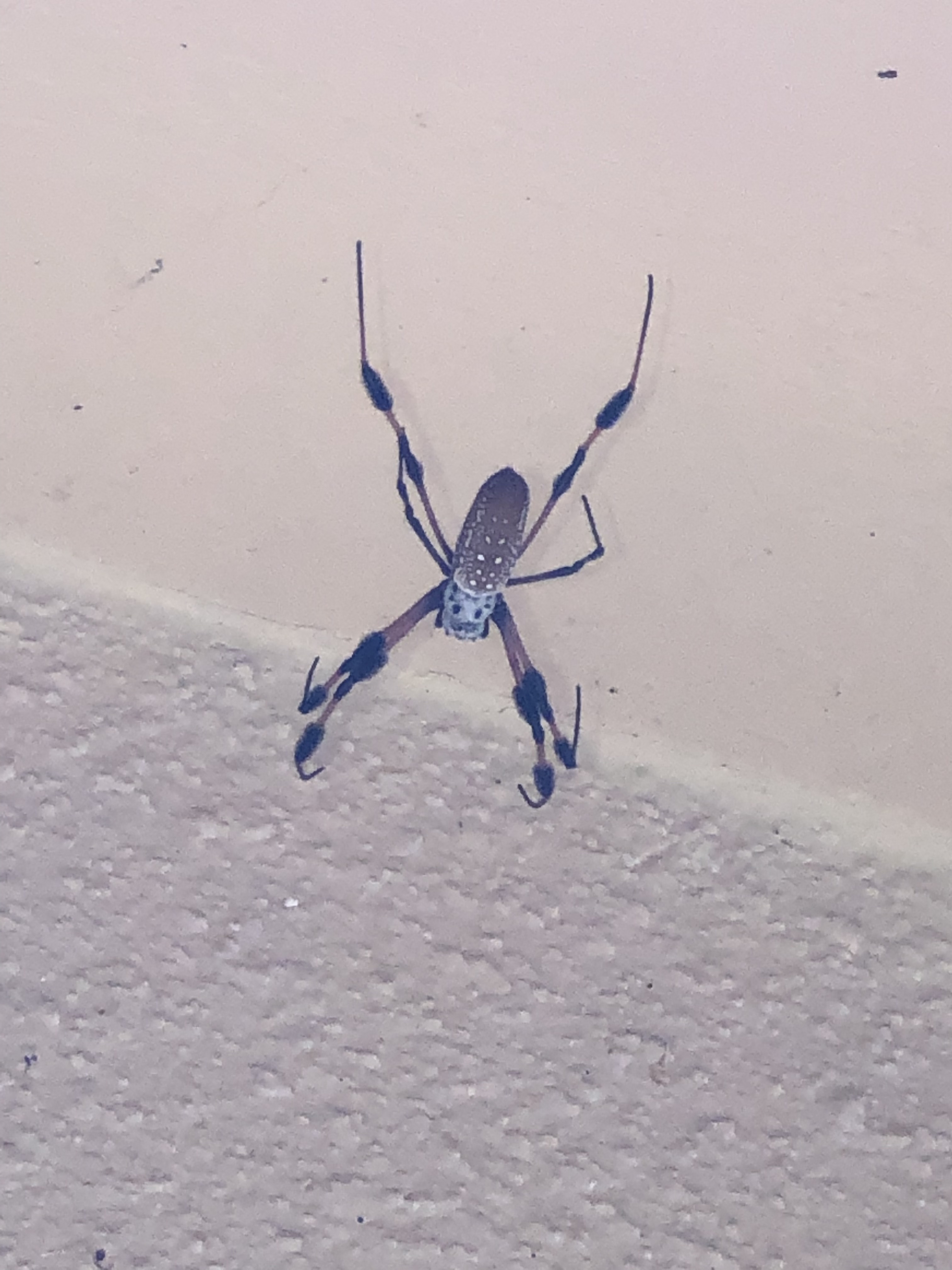
Eeek, a spider!
Golden Silk Spider
The biggest spider I have ever seen in my life in the wild! It’s as big as my hand, and my hands are not small! Consequently, I just read this article from National Geographic about another similar spider that is making its home on the Eastern shores of the United States, the Joro spider (similar to this one, but more cold-tolerant.) https://www.nationalgeographic.com/animals/article/these-large-invasive-spiders-could-spread-throughout-us
Swim with Gators? No Thank you.
Nope, definitely not going in that water.
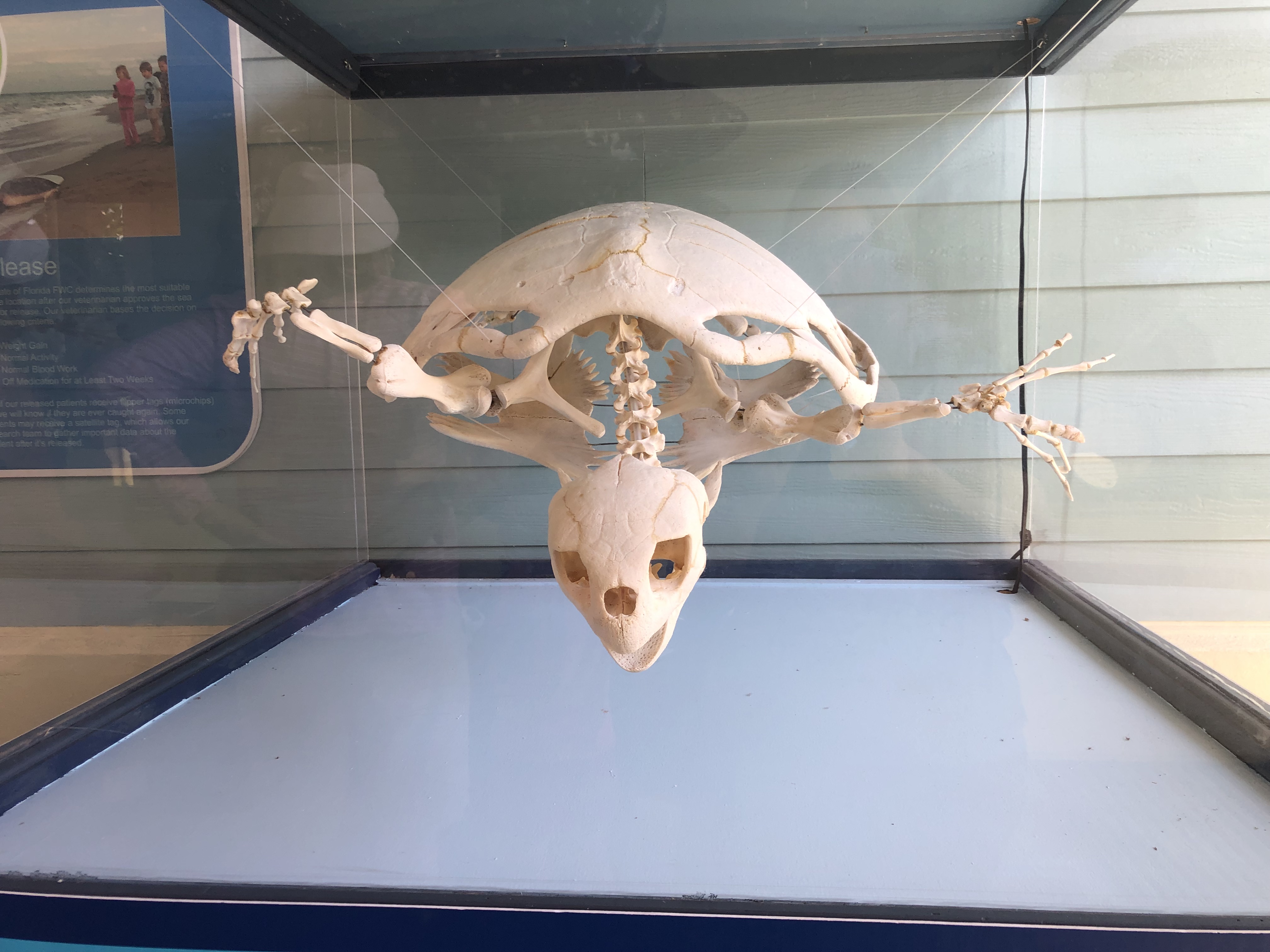
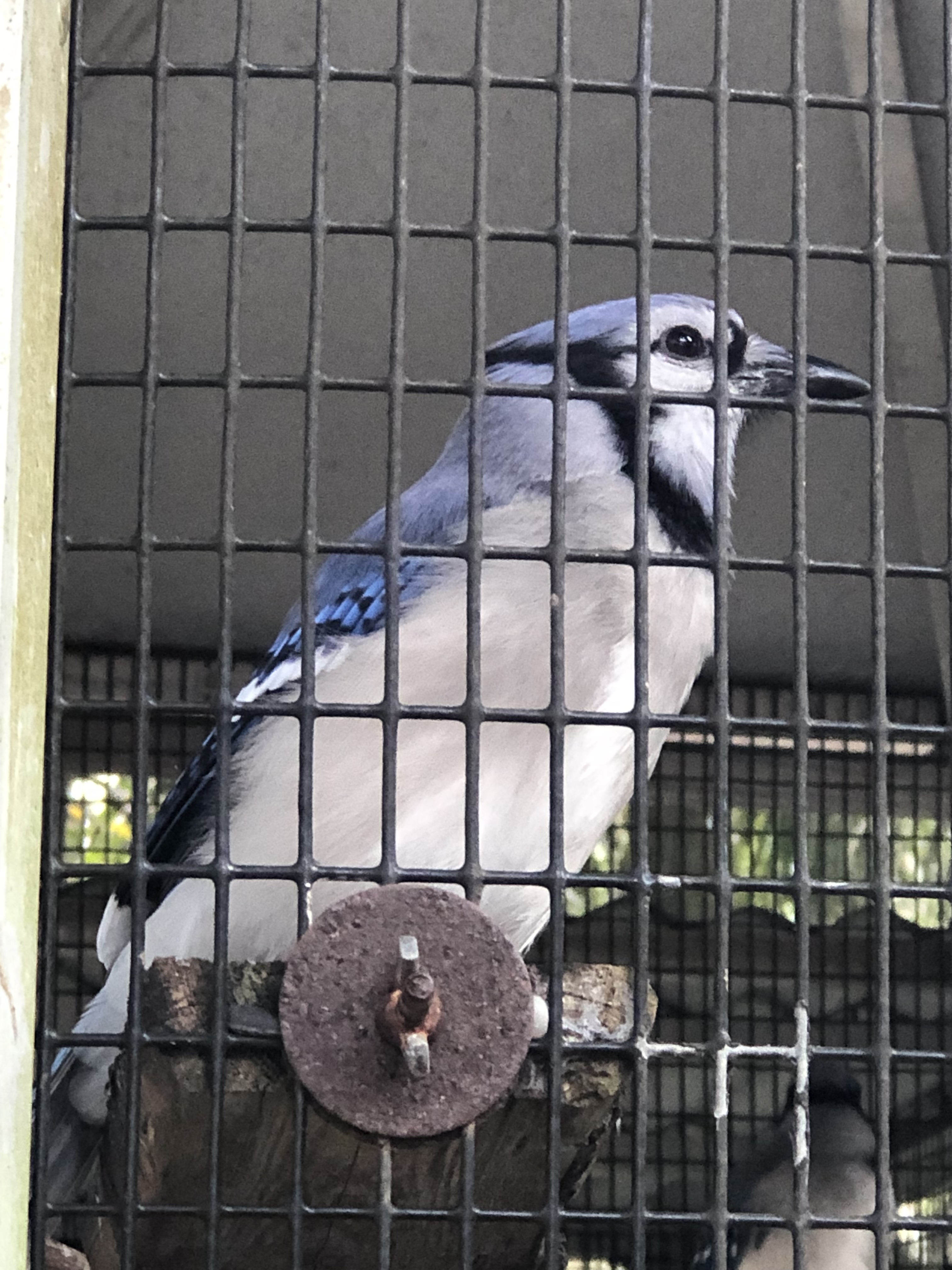
Maybe when you go on vacation you like to relax, but to me, relaxing is a foreign concept I just can’t seem to gasp. It is my curious nature to always be on the prowl for new learning experiences. As part of my enjoyment in traveling to new places is to support the local work of fellow nature lovers. Here are two places I like to support every time I go to Florida:
This turtle rescue organization is currently going through an expansion and remodel. There was only one sick turtle there at the time of our visit. I would assume current sick and injured turtles are being cared for elsewhere.
February is Black History Month here in the United States, so I’m excited to introduce to you a handful of Black American who exemplify what it means to be “Nature-Led” and by doing so strengthen the communities in which they live.
I first saw one of her TikTok videos on Facebook and immediately fell in love. Who is this? She has so much energy and she’s talking about foraging! Wow! Foraging is something no one talks about in modern American society—well, until now. I l learned a little foraging when I was younger but I never thought much about it. It wasn’t something we talked about. If you had asked, “What are you doing?” I would have said “picking berries” or “picking greens.” “Foraging” sounds like something herbivores do when talking about animals in a Science class.
Now here we are in the post-computer revolution and a young Black woman is excited about foraging and sharing her knowledge with others in a way they can relate too. It gives me hope for the future. We’re all going to need this knowledge if things continue as they are with our current trajectory towards climate change. Octavia Butler, Sci-Fi Author of Parable of the Sower & Parable of the Talents, would be proud of Alexis Nikole Nelson.
I encourage you to follow Alexis Nikole Nelson on TikTok, Facebook or whatever your preferred social media is. To learn more about her read this great interview found on NPR:
I first heard about Ron Finley’s garden in South-Central Los Angles years ago as part of tv news segment. He started his garden revolution in 2010. Having stayed in the community he grew up in he fought and won the opportunity to garden in the parking strips throughout his neighborhood. A neighborhood that has for years been a food dessert/food prison for people of color. This is how it starts, this is how you change things for the better in your community. You can’t wait for City officials or someone else to do it, you have to be willing to step up and take action yourself. If something is important, you make time for it.
Aaron Shepard, Robotics Engineer, Scuba Diver, & NASA intern
I literally just discovered Aaron Shepard while watching a short Brut video on Facebook about how animal responses perceived as being “cute” are actually responses to stress and a terrifying ordeal for the animal. There’s nothing “cute” about terrorizing any living lifeform for amusement.
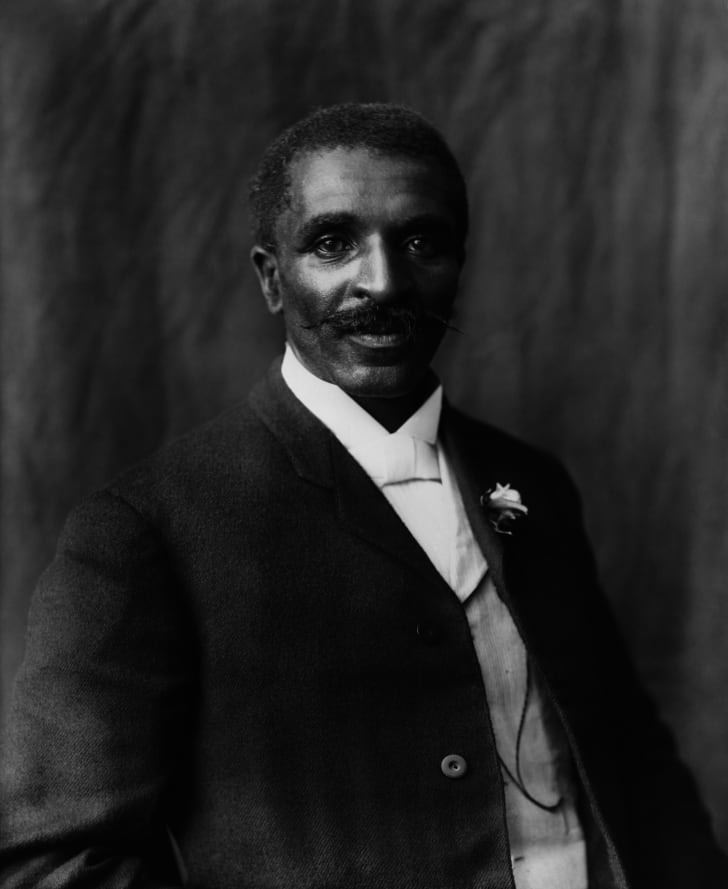
Portrait of John Washington Carver, Tuskegee Institiute
John Washington Carver, Agricultural Scientist
Finally, when it comes to historical contributions, the work of John Washington Carver (c 1864- Jan 5th, 1943) simply CANNOT be overlooked by a site such as this. He was born a slave, persevered through multiple hurdles to get himself college educated and became one of America’s most distinguished Scientists. He introduced us to the idea of crop rotations and compost to improve depleted soils. In tandem with helping the environment, he also worked to improve the lives of poor farmers by recommending highly nutritious rotation crops such as peanuts and sweet potatoes at times when the fields needed to rest from cotton production. He also provided recipes for his food recommendation through “Bulletins.”
My sincerest thanks goes out to any and all persons, living or dead, who endeavor to restore the health and well-being of their communities; be they human communities, animal communities, plant communities, soil communities or water communities. We are all part of a greater community, the sum of life itself on planet earth. We can choose to nurture that which is around us or we can destroy it with our indifference.
Please help Shira Dest and others by joining their community project of creating a book and partnership to “Do Better” (formerly known as Baby Acres) Beta Readers are needed, a logo design is needed and more. See this landing page for more details to put a floor under poverty.
We need, still, a better central portal set up for the project (any volunteers to do that, please?). This temporary page works for now, I guess, maybe?
Oh, and a logo, please, although a friend of a friend may be working on this, not verified yet.
The sections, of my nonfiction WiP Do Better, every Wondering Wednesday, …



 The Nature-led Life